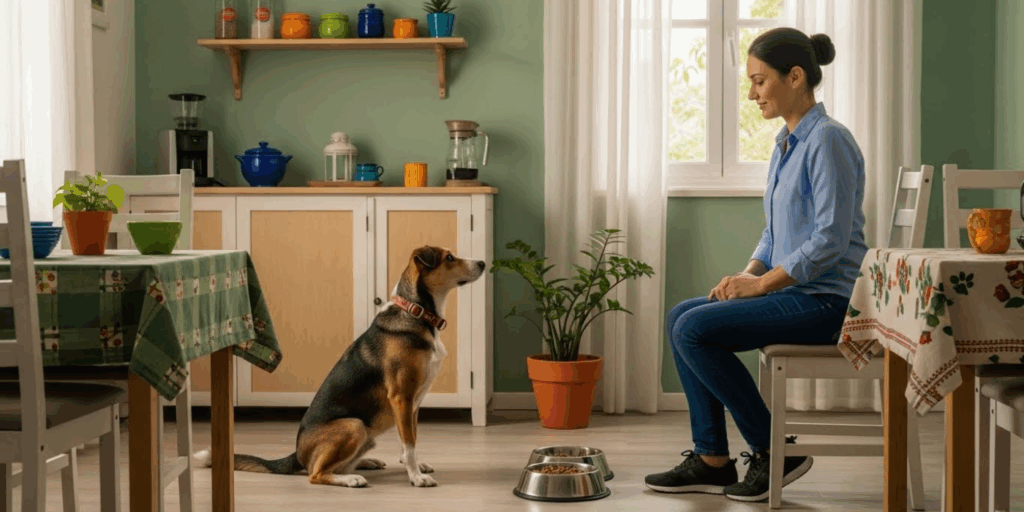
Imagine this: You walk into the kitchen, bowl in hand, and the moment your dog sees it—boom—they launch themselves forward like a furry missile. Paws on your legs, tail whipping like a propeller, nose pressed against the bowl like it’s their last meal on Earth. You say “wait,” but they’re already halfway to the floor. You sigh, set the bowl down… and they devour it in three seconds flat.
Sound familiar?
If you’ve ever felt like your dog treats mealtime like a WWE championship match—no rules, no patience, just pure, chaotic hunger—you’re not alone. But here’s the good news: you can teach your dog to wait patiently before eating. And it’s not just about manners—it’s about safety, calmness, and building a deeper bond between you and your furry friend.
In this guide, we’ll walk you through why teaching your dog to wait is so important, how to do it step-by-step (even if you’ve tried before and failed), and the surprising ways this simple skill can transform your daily life. You’ll learn practical techniques backed by dog behavior experts, real-life examples from pet parents who’ve seen the change, and how patience at mealtime can ripple into better behavior everywhere else.
Let’s turn mealtime chaos into calm—and maybe even make your dog a little more like a gentleman or lady at the dinner table.
Why Waiting at Mealtime Matters More Than You Think
You might think, “It’s just food. Who cares if they dive in?” But the truth is, a dog that rushes their food isn’t just being greedy—they’re signaling stress, anxiety, or a lack of impulse control.
Think about it: In the wild, dogs (and their wolf ancestors) didn’t have guaranteed meals. When food appeared, it was a race. The fastest, most aggressive got the most. That instinct is still wired into your pup’s brain—even if they live in a cozy home with a full pantry.
When your dog bolts their food, they’re not being “bad.” They’re acting on survival instincts. And that can lead to real problems:
- Choking or vomiting from eating too fast.
- Bloat (gastric dilatation-volvulus)—a life-threatening condition common in deep-chested breeds like Great Danes or German Shepherds.
- Resource guarding—if your dog learns that food is scarce or must be defended, they might growl, snap, or even bite if someone gets near their bowl.
- Stress and hyperactivity—rushing meals keeps your dog in a constant state of high alert, making them more reactive throughout the day.
On the flip side, teaching your dog to wait creates a moment of calm. It’s like a mini meditation session—your dog learns to pause, breathe, and trust that food will come. That builds confidence, reduces anxiety, and strengthens your leadership role in a gentle, positive way.
And here’s the kicker: Dogs who learn to wait at mealtime often show improved behavior in other areas too. They’re more focused, less reactive to distractions, and more responsive to commands. It’s not magic—it’s neuroscience. When you teach impulse control, you’re literally rewiring your dog’s brain to make better choices.
So next time you see your dog lunging for the bowl, don’t just say “no.” Say: “This is my chance to help them feel safer, calmer, and more in control.”
The Simple Step-by-Step Method (No Treats Needed!)
Alright, let’s get practical. You don’t need fancy tools, expensive trainers, or hours of daily practice. You just need consistency—and a little patience (ironic, right?).
Here’s the easiest, most effective method used by professional dog trainers:
Step 1: Start with the Bowl on the Floor
Place your dog’s empty food bowl on the floor. Let them sniff it. Don’t say anything. Just let them explore. Then, pick it up.
Why? You’re teaching them that the bowl doesn’t automatically mean “food is here.” You’re the gatekeeper. This sets the stage.
Step 2: Hold the Bowl, Say “Wait”
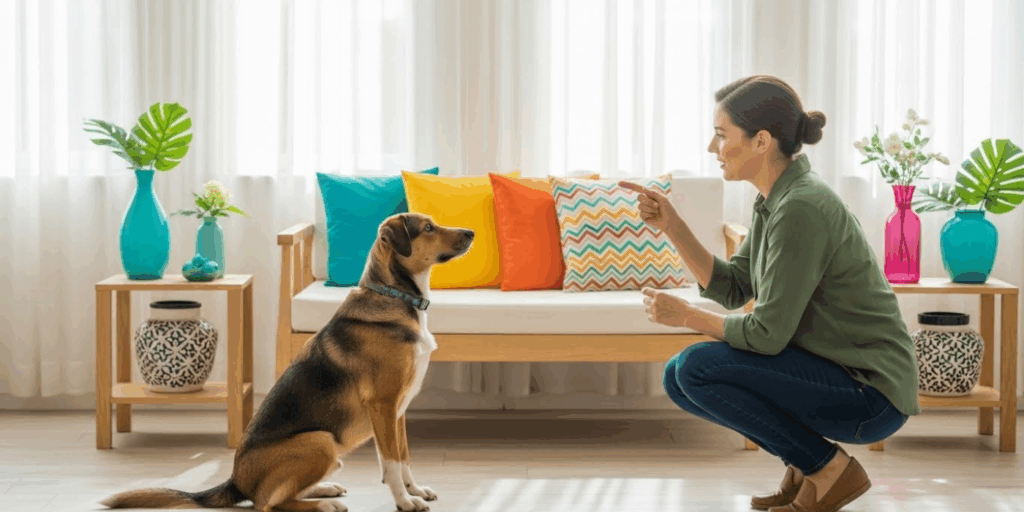
Fill the bowl, hold it at waist level, and say “Wait” in a calm, clear voice. Don’t shout. Don’t beg. Just say it like you’re telling them the sun will rise tomorrow—matter-of-fact.
Now, stand still. Wait. Don’t move. If your dog leaps, jumps, or barks—don’t react. Don’t yell. Don’t give in. Just wait. As soon as they pause—even for a split second—say “Yes!” and give them a tiny treat from your other hand.
Yes, you read that right. A treat. But not from the bowl. This is a reward for calmness, not for begging.
Step 3: Gradually Increase the Wait Time
Start with 1 second. Then 2. Then 5. Each time they hold still, say “Yes!” and reward. If they break the wait, calmly say “Oops,” put the bowl down, and try again in 10 seconds.
Over time, you’ll work up to 10, then 20, then 30 seconds. Eventually, you’ll be able to say “Wait,” walk across the room, turn around, and come back—still holding the bowl—and they’ll be sitting patiently.
Step 4: Release with a Cue
Once they’re waiting reliably, add a release word: “Okay!” or “All done!” Say it cheerfully, then set the bowl down. Let them eat.
Important: Never rush them while they’re eating. Let them finish at their own pace. This reinforces that you’re not taking the food away—you’re giving them permission to enjoy it.
Pro Tip: Practice 2–3 Times a Day
Even 30 seconds of training, twice a day, makes a difference. Consistency beats intensity. Think of it like brushing your teeth—not a huge chore, but something you do every day because it matters.
And guess what? Within a week, you’ll notice something amazing: your dog starts looking to you for cues. They’re not just waiting for food—they’re waiting for you. That’s the bond you’re building.
Real-Life Transformation: From Chaos to Calm
Let me tell you about Mia and her dog, Rocky.
Mia had a 2-year-old Border Collie who treated mealtime like a tornado had hit the kitchen. He’d knock over the bowl, jump on her, bark nonstop, and sometimes even steal food off the counter. She was exhausted. She tried yelling, using a squirt bottle, even putting the bowl on a raised stand. Nothing worked.
Then she tried the “Wait” method.
She started with just 1 second. Rocky didn’t get it at first. He’d leap. She’d put the bowl down. Repeat. Five times in a row. She almost gave up.
But on day three, he paused. Just for half a second. She said “Yes!” and gave him a tiny piece of chicken. He looked at her like, “Wait… did I just earn something by not moving?”
That was the turning point.
By day seven, Rocky was sitting calmly while Mia walked to the fridge to grab his kibble. By day 14, he’d wait while she set the bowl down, stepped away to grab a glass of water, and came back to find him still sitting, tail gently thumping.
Mia says: “It wasn’t just about eating. It was the first time I felt like Rocky and I were actually communicating. He wasn’t just reacting to food—he was listening to me.”
And here’s the bonus: Rocky stopped lunging at other dogs on walks. He stopped barking at the doorbell. He became calmer, more focused, and—get this—happier.
Why? Because he learned that calmness gets rewards. Not chaos.
That’s the power of teaching patience.
Beyond the Bowl: How This Skill Transforms Your Dog’s Whole Life
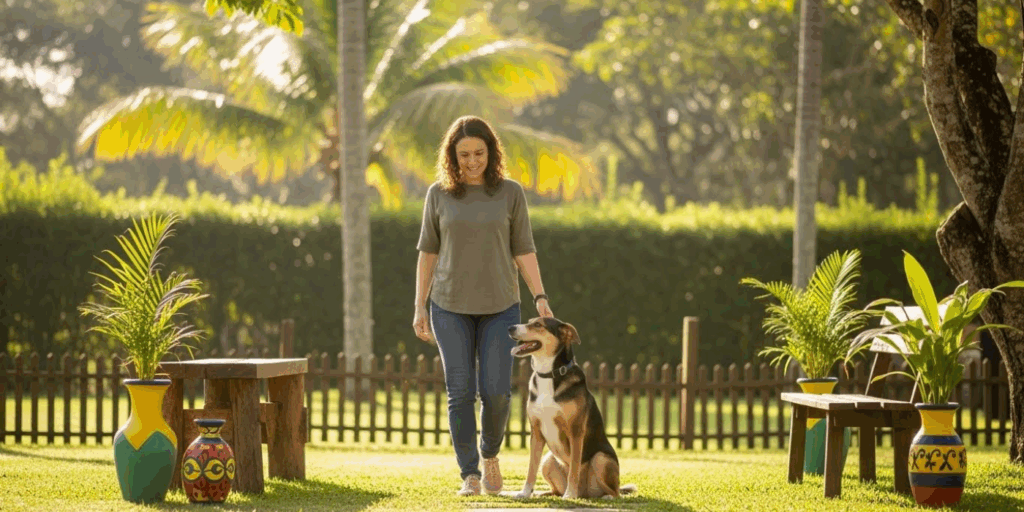
Teaching your dog to wait isn’t just about food. It’s about impulse control—a foundational skill that affects nearly every interaction they have with the world.
Think about it:
- When you open the front door, do they rocket out like a rocket?
- Do they jump on guests?
- Do they tug on the leash when they see a squirrel?
- Do they beg relentlessly at the dinner table?
All of these behaviors stem from the same root: a lack of self-control.
When you teach your dog to pause before eating, you’re giving them a mental “pause button.” That same pause can be applied to:
- Doorways: “Wait” before going outside.
- Car rides: “Wait” before jumping in.
- Greeting people: “Wait” before jumping up.
- Sniffing on walks: “Wait” before diving into every bush.
This isn’t about suppressing natural behavior. It’s about teaching your dog that they have choices, and the calmest choice leads to the best outcomes.
Studies from the University of Pennsylvania’s School of Veterinary Medicine show that dogs trained in impulse control tasks (like waiting for food) show measurable decreases in anxiety and aggression over time. Why? Because they learn to trust their environment. They stop feeling like they need to act fast to survive.
And here’s the beautiful part: you don’t need to be a perfect trainer. You just need to be consistent. Even if you mess up one day, try again the next. Your dog doesn’t expect perfection—they just want to know what to expect.
So next time you catch yourself saying, “I wish my dog would just chill out,” ask yourself: Have I taught them how?
Common Mistakes (And How to Avoid Them)
Even with the best intentions, many pet parents stumble. Here are the top three mistakes—and how to fix them:
Mistake #1: Giving in Too Soon
You say “Wait.” Your dog whines. You sigh and set the bowl down. Now your dog learned: Whining = food.
Fix: Wait until they’re quiet for at least 2 seconds before releasing. If they whine, turn away. Don’t look. Don’t talk. When they stop, say “Yes!” and reward.
Mistake #2: Using Food as a Lure
You hold the bowl and say “Wait,” then lure them with a treat to sit. That’s fine—but don’t keep doing it forever.
Fix: Use the treat only in the beginning to reward calmness. After a week, phase it out. Replace it with praise, a gentle head rub, or even just the release to eat. The meal itself becomes the reward.
Mistake #3: Training When Your Dog Is Overstimulated
Trying to teach “Wait” right after a walk, when your dog is buzzing with energy? It won’t work.
Fix: Train after a quiet time—like after a nap, or before a walk. Calm dogs learn better. If they’re too excited, take 5 minutes to let them settle. Sit with them. Breathe slowly. Let them mirror your calm.
And one last thing: Don’t train if you’re frustrated. Your dog picks up on your energy. If you’re annoyed, they’ll feel tense. Take a breath. Try again later.
Patience isn’t just for your dog—it’s for you too.
The Ripple Effect: How a Calmer Dog Creates a Calmer Home
Here’s something most people don’t realize: a dog who waits patiently doesn’t just change their behavior—they change your life.
Imagine this:
You walk into the kitchen. Your dog sits. Waits. Looks at you with calm eyes. You say “Okay,” set the bowl down, and they eat slowly, peacefully. No chaos. No stress. Just quiet companionship.
Now imagine that same calmness extends to the front door. Your dog doesn’t barrel into guests. At the park, they don’t yank you toward every squirrel. In the car, they sit quietly, tail wagging gently.
That’s not luck. That’s training.
And it’s contagious.
When your dog is calm, you become calmer. You stop yelling. You stop feeling guilty. You start enjoying your time together—not managing chaos.
Parents who teach their kids to say “please” and “thank you” aren’t just teaching manners—they’re teaching respect. The same goes for dogs.
When you teach your dog to wait, you’re teaching them to trust you. To respect boundaries. To believe that good things come when they’re calm.
That’s not just training. That’s love in action.
Final Thought: You’re Not Just Teaching a Trick. You’re Building a Relationship.
Teaching your dog to wait before eating isn’t about obedience. It’s not about control.
It’s about connection.
It’s about saying, “I see you. I hear you. And I’m not going to let you feel like you have to fight for what you need.”
Every time you ask your dog to wait, you’re giving them a gift: the gift of safety. The gift of predictability. The gift of knowing that they don’t have to be frantic to be cared for.
And in return? They give you peace.
So tonight, when you fill their bowl, pause. Look into their eyes. Say “Wait.”
And when they stay—no matter how short the moment—say “Yes!” with a smile.
Because that’s not just a command.
That’s a conversation.
That’s trust.
That’s love.
Ready to Start? Here’s Your Challenge
You don’t need to wait until tomorrow.
Tonight, before you feed your dog, try this:
- Hold the bowl at waist level.
- Say “Wait” in a calm voice.
- Wait for even one second of stillness.
- Say “Yes!” and release them to eat.
Do this for just 3 days.
Then come back and ask yourself:
Did my dog seem calmer? Did I feel more in control? Did we connect in a new way?
If the answer is yes—even just a little—you’ve already won.
And if you’re ready to go further? Share this article with a friend who’s struggling with a food-obsessed pup. Leave a comment below and tell us: What’s the first thing your dog does when they see their food bowl? We’d love to hear your story.
Because every dog deserves to eat with peace.
And every owner deserves to feel calm at mealtime.
You’ve got this.
One “Wait” at a time.

Lucas Neto is a passionate animal enthusiast who has spent years learning, caring, and connecting with pets of all kinds. His fascination with animals began in childhood and grew into a lifelong dedication to understanding their behavior, needs, and unique personalities. Whether rescuing strays, supporting responsible pet care, or simply enjoying the everyday joy that animals bring, Lucas is committed to sharing his knowledge and love for pets with others.