You’ve just come home from a long walk—mud splattered up your dog’s legs, leaves stuck in their fur, and that unmistakable “doggy smell” floating behind them like a cloud. You sigh. It’s bath time. But before you turn on the faucet and grab the shampoo, stop. What if I told you that the way you’re bathing your dog might be doing more harm than good?
Bathing your dog isn’t just about cleanliness—it’s about health, comfort, and bonding. Too frequent? You could strip their skin of natural oils. Too rare? Dirt and bacteria build up, leading to irritation, infections, or even behavioral stress. And let’s be honest—most of us wing it. We use human shampoo because it’s handy. We rush through it because we’re tired. We drown them in water because “more is better,” right?
Wrong.
The truth is, bathing your dog the right way isn’t complicated—but it does require intention. In this guide, you’ll learn exactly how to make bath time not just bearable, but something your dog actually looks forward to. We’ll break down the science behind dog skin, the best products to use, step-by-step techniques, common mistakes to avoid, and even how to turn bath time into a calming ritual that strengthens your bond. By the end, you won’t just know how to bathe your dog—you’ll understand why each step matters.
Let’s dive in.
Why Your Dog’s Skin Is Totally Different From Yours
Here’s a fact that changes everything: a dog’s skin pH is significantly higher than a human’s. While human skin sits around 5.5 (slightly acidic), a dog’s skin hovers between 6.2 and 7.5—closer to neutral. That might sound minor, but it’s huge.
When you use human shampoo on your pup, you’re essentially dumping an acidic product onto their skin. This disrupts their natural protective barrier, leaving them vulnerable to dryness, itching, flaking, and even bacterial or fungal infections. I’ve seen it happen—clients swear their dog “just started scratching” after a bath at home. Turns out, it was the Dove body wash.
Dog skin is also thinner and has fewer oil glands than ours. That means it’s more sensitive to harsh chemicals, fragrances, and detergents. Even “gentle” human shampoos can contain sulfates, parabens, or synthetic fragrances that irritate canine skin.
So what’s the solution? Always use a shampoo formulated specifically for dogs. Look for labels that say “pH-balanced for dogs” or “hypoallergenic.” Ingredients like oatmeal, aloe vera, and chamomile are soothing and safe. Avoid anything with “fragrance” listed as a top ingredient—it’s often a catch-all for dozens of unlisted chemicals.
And here’s a pro tip: If your dog has sensitive skin, consider a soap-free, waterless shampoo. These are great for spot cleaning between baths and reduce the risk of over-drying.
Think of it like this: You wouldn’t wash your face with laundry detergent. Don’t do it to your dog either.
How Often Should You Really Bathe Your Dog?
This is the #1 question I get from dog owners—and the answer isn’t one-size-fits-all.
The old rule of thumb—“once a month”—is a good starting point, but it’s outdated. The real answer depends on three things: your dog’s breed, lifestyle, and skin condition.
- Short-haired breeds like Beagles or Boxers? They might only need a bath every 6–8 weeks unless they roll in something smelly.
- Long-haired or double-coated breeds like Golden Retrievers or Huskies? They trap more dirt and debris. Aim for every 4–6 weeks, especially during shedding season.
- Dogs who love the outdoors? If your pup is a mud-lover, beach bum, or forest explorer, they’ll need more frequent baths—maybe every 2–3 weeks.
- Dogs with skin conditions? Always follow your vet’s advice. Some need medicated baths 2–3 times a week; others should avoid baths altogether for weeks at a time.
But here’s the kicker: You don’t need a full bath every time they get dirty.
Ever heard of a “rinse and go”? After a muddy walk, a quick rinse with lukewarm water (no shampoo!) can remove debris without stripping oils. Use a damp towel to wipe their paws and underbelly. This simple habit can extend the time between full baths by weeks.
And if your dog has a strong odor but looks clean? That’s often a sign of an underlying issue—ear infection, anal gland problems, or even a yeast overgrowth. A bath won’t fix that. Talk to your vet.
Bottom line: Bathing too often is just as harmful as never bathing. Listen to your dog’s skin—not a calendar.
The Step-by-Step Guide to a Stress-Free Dog Bath
Now, let’s get practical. Here’s how to turn bath time from a chaotic battle into a calm, even enjoyable, experience.
Step 1: Prep the Space
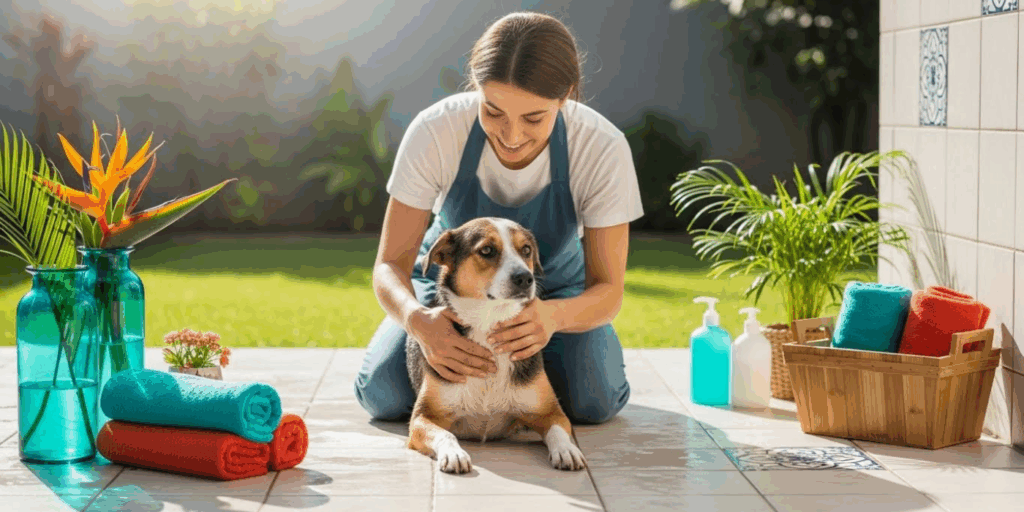
Before you even bring your dog into the bathroom, get everything ready. Have your dog shampoo, towels (two or three, preferably microfiber), a non-slip mat, and a cup or handheld sprayer on hand. A messy bathroom = a stressed dog.
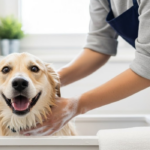
If you’re using a tub, fill it with just a few inches of lukewarm water—no deeper than your dog’s belly. Too much water = fear. Too hot? Burn risk. Too cold? Shivering. Test it with your wrist—it should feel comfortably warm, like a baby’s bath.
Step 2: Brush First
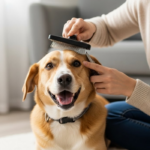
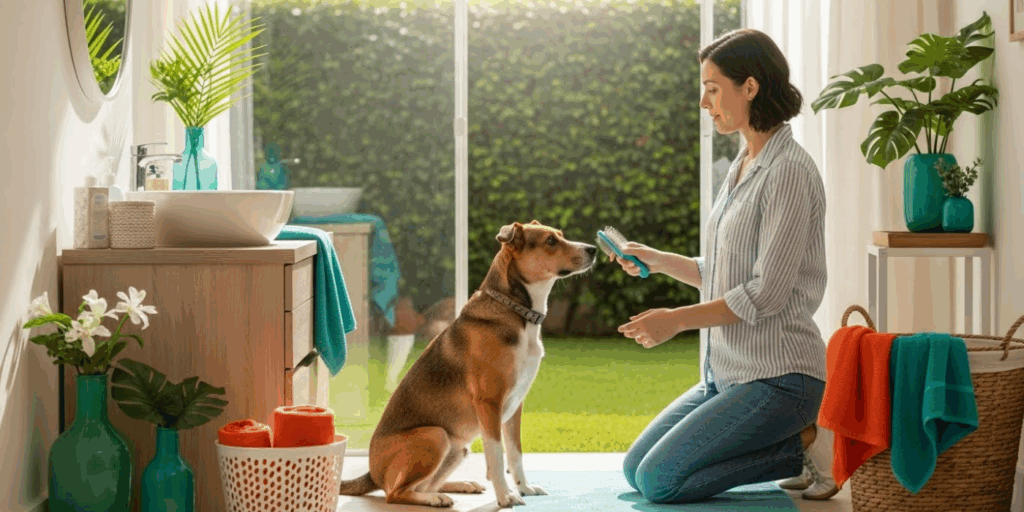
This is non-negotiable. Brush your dog before the bath. Tangles and mats trap water and soap, leading to skin irritation and slow drying. For long-haired breeds, a slicker brush works wonders. Short-haired dogs? A rubber grooming glove does the trick.
Brushing also helps you spot fleas, ticks, or hot spots you might’ve missed.
Step 3: Wet Thoroughly, Gently
Start by wetting your dog from the neck down. Avoid the face and ears. Use a sprayer or cup—never blast them with a high-pressure showerhead. Many dogs panic at the sound of rushing water. Be calm. Speak softly. “You’re doing great,” goes a long way.
Step 4: Apply Shampoo Correctly
Use a small amount of shampoo—about a tablespoon for small dogs, a quarter cup for large ones. Work it into a lather starting at the neck and moving backward. Don’t forget the armpits, belly, and between the toes. These are hotspots for odor and dirt.
Step 5: Rinse Like a Pro
This is where most people mess up. You need to rinse twice as long as you think you do. Leftover shampoo is the #1 cause of itchy, flaky skin after a bath. Run water over your dog for at least 2–3 minutes. Run your fingers through their coat to make sure no suds remain. If your fingers feel slippery, keep rinsing.
Step 6: Dry with Care
Towel-dry first. Then, if your dog tolerates it, use a blow dryer on the lowest heat and speed setting. Keep it moving—don’t hold it in one spot. Some dogs love the warmth; others hate the noise. If your pup is anxious, skip the dryer and let them air-dry in a warm room with a cozy blanket.
Pro tip: Reward them with a treat after the bath—not before. You want them to associate the end of the bath with something positive, not the start.
Common Mistakes (And How to Avoid Them)

Even well-meaning owners make the same mistakes over and over. Let’s clear up the myths.
❌ Myth: “I use baby shampoo—it’s gentle!”
Truth: Baby shampoo is still formulated for human pH. It’s better than regular shampoo, but not ideal. Use dog-specific formulas instead.
❌ Myth: “They hate baths—I just wait until they’re filthy.”
Truth: Waiting too long makes the process more traumatic. Regular, calm baths build familiarity. A dog who gets bathed every 6 weeks won’t panic the way one who gets bathed every 6 months will.
❌ Myth: “More shampoo = cleaner.”
Truth: More shampoo = more residue = more itching. Always rinse thoroughly.
❌ Myth: “I can use human conditioner.”
Truth: Human conditioner can clog a dog’s hair follicles. If your dog’s coat is dry or tangled, use a dog-specific conditioner or a diluted rinse-out spray with aloe.
❌ Myth: “I don’t need to clean their ears or paws during a bath.”
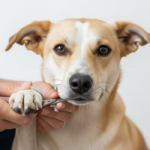
Truth: Your dog’s ears and paws are breeding grounds for bacteria. Wipe ears gently with a cotton ball (never a Q-tip!) and clean between their paw pads with a damp cloth. These areas often get overlooked—and that’s where infections start.
One client told me her dog kept shaking his head and scratching his ears. She thought it was allergies. Turns out? A buildup of shampoo residue behind his ears from years of rushed rinses. After switching to proper technique? The scratching stopped. In two weeks.
Small changes. Big results.
Turning Bath Time Into Bonding Time
Here’s the beautiful secret most people miss: Bath time is one of the most intimate moments you can share with your dog.
Think about it—you’re touching them all over. You’re making eye contact. You’re speaking softly. You’re controlling the environment to keep them safe. This isn’t just hygiene—it’s connection.
So how do you make it feel like bonding?
- Play calming music during the bath. Classical or nature sounds lower stress levels in dogs.
- Use a soothing voice. Say things like, “You’re doing so well,” or “I’ve got you.”
- Let them sniff the shampoo bottle beforehand. Familiar scents reduce anxiety.
- Offer treats during the rinse (yes, while water’s running). It distracts them and creates positive associations.
- End with a favorite toy or walk. This tells your dog, “Bath time is over… and then comes the good stuff.”
I once worked with a rescue dog named Max who trembled at the sight of water. His previous owner had forced him into the tub and yelled when he struggled. After three weeks of slow, positive bath sessions—starting with just a damp towel, then a quick rinse, then shampoo—he started wagging his tail as soon as I brought out the towel.
That’s the power of patience.
Your dog doesn’t care if their coat is spotless. They care if you’re calm, kind, and present.
Special Considerations: Puppies, Seniors, and Dogs With Special Needs
Not all dogs are the same. Here’s how to adapt for different life stages.
Puppies: Start early—ideally between 8–12 weeks. Keep baths short, warm, and gentle. Use a soft sponge for their face. Reward with cuddles, not just treats. This sets the tone for a lifetime of calm grooming.
Senior Dogs: Older dogs have thinner skin and may suffer from arthritis. Use a non-slip mat. Support their body while washing. Skip the blow dryer if they’re sensitive to noise. A warm towel and a cozy blanket afterward mean the world.
Dogs With Skin Conditions: Always consult your vet. Some conditions require medicated shampoos (chlorhexidine, ketoconazole) used on a strict schedule. Never skip rinsing—even if it’s a medicated formula. Residue can worsen irritation.
Brachycephalic Breeds (Pugs, Bulldogs): Their wrinkles trap moisture and bacteria. After bathing, gently dry between their facial folds with a soft cotton cloth. Don’t skip this step—it prevents skin fold dermatitis.
Dogs With Anxiety: Consider a calming collar or diffuser (like Adaptil) 30 minutes before the bath. Some owners even use CBD-infused dog shampoos—always check with your vet first.
Final Thoughts: It’s Not About Perfection—It’s About Presence
Bathing your dog the right way isn’t about having the fanciest shampoo or the most professional grooming tools. It’s about showing up—calmly, consistently, and with care.
It’s about noticing when your dog’s coat looks dull and choosing to give them a gentle cleanse instead of waiting until they smell bad. It’s about taking those extra 30 seconds to rinse out every last bit of shampoo. It’s about smiling as you wrap them in a warm towel, even if you’re tired.
Your dog doesn’t need a spa day. They need you—present, patient, and loving.
And when you get it right? You’ll see it in their eyes. The way they lean into your touch. The way they flop down beside you afterward, relaxed and content. The way they wag their tail when they hear the water running—not because they’re scared, but because they know what comes next: safety, care, and love.
So the next time bath time rolls around, take a breath. Turn off the noise. Slow down. And remember—you’re not just cleaning their fur.
You’re caring for their soul.
What’s your biggest challenge with bath time?
Is it the splashing? The resistance? The mess? Or maybe you’ve never thought about why you bathe your dog the way you do?
I’d love to hear your story in the comments below. Have you tried any of these tips? Did switching to a dog-specific shampoo make a difference? Share your wins, your struggles, and your favorite post-bath treats—we’re all learning together.
And if this guide helped you, please share it with a friend who’s still using human shampoo on their pup. Because every dog deserves a bath that’s as kind as the love they give us every single day.

Lucas Neto is a passionate animal enthusiast who has spent years learning, caring, and connecting with pets of all kinds. His fascination with animals began in childhood and grew into a lifelong dedication to understanding their behavior, needs, and unique personalities. Whether rescuing strays, supporting responsible pet care, or simply enjoying the everyday joy that animals bring, Lucas is committed to sharing his knowledge and love for pets with others.