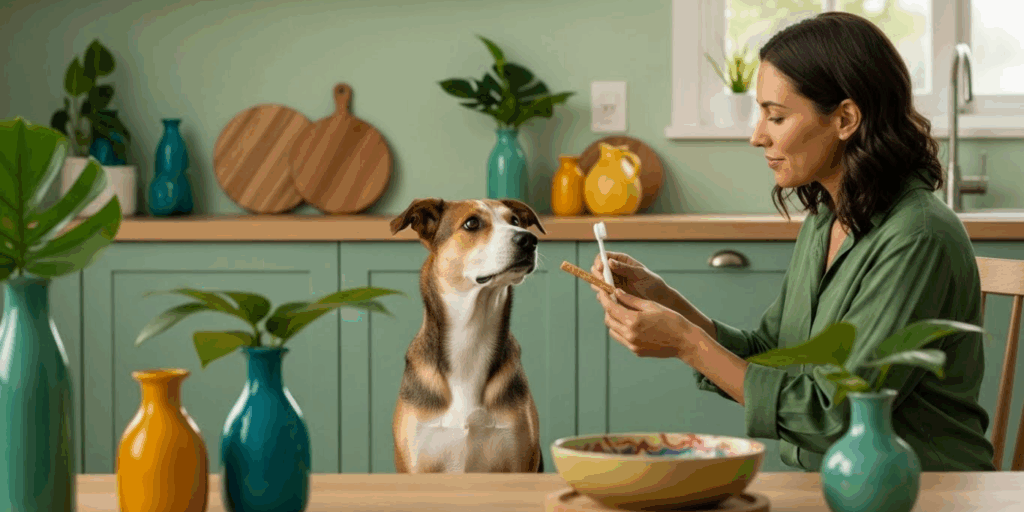
You love your dog. You cuddle them after a long day. You kiss their fuzzy head when they leap into your lap. But… have you ever leaned in for a goodnight snuggle—only to be met with a breath that smells like yesterday’s garbage bin left in the sun?
If that’s happened to you, you’re not alone. And more importantly—your dog isn’t being “gross” on purpose. That foul odor? It’s a silent alarm bell.
Bad breath in dogs isn’t just an unpleasant surprise. It’s often the first—and sometimes only—sign of something deeper going on inside their body. Left unchecked, it can lead to painful gum disease, tooth loss, and even serious issues with the heart, kidneys, or liver.
The good news? Most cases of doggy bad breath are completely preventable. And you don’t need expensive gadgets or a vet appointment every week to fix it. With a few simple, daily habits—and a little love—you can turn your pup’s breath from “yuck” to “yum” (well, at least neutral!).
In this guide, we’ll walk through the real reasons your dog’s breath stinks, how to spot warning signs early, and most importantly—practical, doable tips you can start today. Whether you’re a first-time dog parent or a seasoned pro, these strategies are designed to fit into your busy life without adding stress. Let’s give your furry friend the fresh, healthy smile they deserve.
Why Does My Dog’s Breath Smell So Bad? (It’s Not Just “Dog Breath”)
Let’s clear up a myth right away: “All dogs have bad breath” is a dangerous lie.
Yes, some dogs naturally have a mild odor—especially after chewing on something smelly. But persistent, strong, sour, or metallic breath? That’s not normal. That’s a red flag.
The #1 culprit behind doggy bad breath? Dental disease. In fact, studies from the American Veterinary Dental Society show that over 80% of dogs show signs of oral disease by age three. That’s more than four out of five dogs.
How does it happen? It starts with plaque—a sticky film of bacteria that clings to teeth after meals. If not removed, plaque hardens into tartar (that yellowish-brown gunk you see near the gums). Tartar irritates the gums, causing inflammation (gingivitis), which leads to infection, pain, and eventually, tooth loss.
But here’s what most owners don’t realize: the bacteria from your dog’s mouth don’t stay put. They enter the bloodstream and can travel to vital organs. That’s right—bad breath could be linked to heart disease or kidney problems down the line.
Other common causes include:
- Diet: Eating garbage, feces, or rotting food (yes, some dogs are obsessed with it).
- Gastrointestinal issues: Acid reflux, intestinal blockages, or even diabetes can cause unusual breath odors.
- Oral tumors or foreign objects: A stick stuck between teeth? A broken tooth? These can fester silently.
- Kidney or liver disease: These often cause a urine-like or sweet, fruity smell on the breath.
Think of your dog’s breath like a weather vane. It’s not just about smell—it’s telling you what’s happening inside. A quick sniff could save their life.
The 5-Minute Daily Routine That Changes Everything
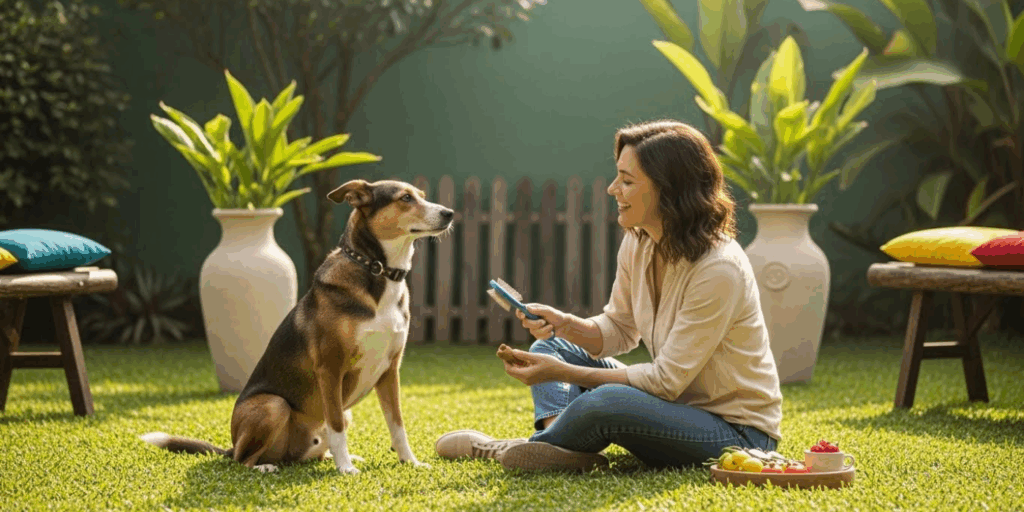
You don’t need to brush your dog’s teeth for 10 minutes a day. You don’t need a dental spa. You just need consistency—and a little creativity.
Here’s your simple, realistic daily routine:
1. Brush Their Teeth (Even Just 3x a Week)
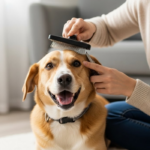
Yes, brushing works. And yes, it’s easier than you think. Start by letting your dog lick pet-safe toothpaste off your finger. Then, gently rub their teeth with your finger for 10 seconds. Gradually introduce a soft-bristled dog toothbrush. Aim for 30 seconds per side—just the outer surfaces. No need to scrub the insides unless they’re cooperative!
Pro tip: Use chicken- or peanut butter-flavored toothpaste. Never human toothpaste—it contains xylitol, which is toxic to dogs.
2. Offer Dental Chews After Meals
Not all chews are created equal. Look for products with the VOHC seal (Veterinary Oral Health Council). These are scientifically proven to reduce plaque and tartar. Brands like Greenies, CET VeggieDents, or Hill’s Science Diet Dental Treats work well. One daily chew can cut plaque buildup by up to 50%.
3. Rinse Their Mouth (Yes, Really!)
A simple water additive like Oxyfresh Pet Oral Hygiene Solution or PetzLife Oral Care Spray can be added to their water bowl. These are safe, tasteless, and help reduce bacteria without brushing. Just one capful per 16 oz of water.
4. Check Their Mouth Weekly
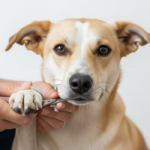
Lift their lip. Look for red gums, swollen areas, dark tartar buildup, or broken teeth. If you see any of these, call your vet. Early detection = less pain, less cost.
5. Say No to Table Scraps (Especially Sugary or Starchy Foods)
Bread, pasta, cookies, even leftover rice? These feed the bacteria that cause odor. Stick to dog-safe treats. If you want to share, try carrots or apple slices (no seeds!)—they’re crunchy and naturally clean teeth.
You don’t need to do all five every day. Pick one to start. Do it for a week. Then add another. In just 30 days, you’ll notice a difference. And your dog? They’ll start leaning in for more cuddles.
The Hidden Danger: When Bad Breath Hides a Bigger Problem
Let’s talk about the scary stuff—for a moment.
Imagine your dog’s breath smells like ammonia or urine. Or maybe it’s sweet, like overripe fruit. Or it’s suddenly foul after they’ve been eating normally for years.
These aren’t just “weird smells.” They’re symptoms.
- Ammonia smell? Could signal kidney failure. The kidneys can’t filter waste anymore, so toxins build up and exit through the breath.
- Sweet, fruity odor? Could mean diabetes. When the body can’t use glucose, it starts breaking down fat, creating ketones that smell like nail polish remover.
- Foul, rotting odor with drooling or loss of appetite? Could be an oral tumor or abscessed tooth.
I once met a woman named Linda who thought her 8-year-old Labrador, Max, just had “old dog breath.” She didn’t take him to the vet until he stopped eating. By then, Max had a massive tumor in his jaw. Surgery saved him—but it cost $5,000 and nearly broke her heart.
Early detection saved Max’s life. And it could save yours too.
Here’s your quick checklist:
If your dog’s breath suddenly changes—especially if it’s paired with:
- Loss of appetite
- Excessive drooling
- Pawing at the mouth
- Weight loss
- Lethargy
…call your vet. Don’t wait. Don’t assume it’s “just teeth.” A simple blood test or oral exam could catch something serious before it escalates.
Your dog can’t tell you they’re in pain. But their breath? It’s screaming for help.
Natural Remedies That Actually Work (No Magic Pills!)
You don’t need to spend hundreds on dental cleanings (though they’re important). There are safe, natural ways to support your dog’s oral health—right at home.
1. Coconut Oil
Yes, it’s a superfood for dogs. Swab a teaspoon of virgin coconut oil on their gums with your finger. It has antimicrobial properties that fight odor-causing bacteria. You can even mix it into their food—1 tsp per 10 lbs of body weight daily.
2. Fresh Parsley
Sprinkle a few chopped fresh parsley leaves on their food. Parsley is a natural breath freshener—and it’s packed with chlorophyll, which neutralizes odor. Bonus? It’s safe, cheap, and your dog might even like the taste!
3. Carrots and Apples (Crunchy Snacks)
Chewing crunchy foods scrapes plaque off teeth. Raw carrot sticks are perfect for small to medium dogs. Apple slices (cored and seed-free) work for larger breeds. They’re low-calorie, fun to chew, and naturally clean.
4. Probiotics for Dogs
A healthy gut = healthier breath. Some studies show that oral probiotics (like PetVitality Pro) can reduce harmful bacteria in the mouth. Ask your vet about dog-specific probiotic supplements.
5. Water Additives with Natural Ingredients
Look for formulas with green tea extract, grapefruit seed extract, or aloe vera. These are gentle, non-toxic, and help reduce bacterial growth without harsh chemicals.
Important note: These are supportive tools—not replacements for brushing or vet care. Think of them as your dog’s daily multivitamin for their mouth.
And here’s a fun trick: Keep a small jar of chopped parsley on your counter. After dinner, give your dog a tiny sprinkle. Make it part of your routine—like brushing your own teeth. Soon, your dog will start wagging their tail when they see the parsley jar. They’ll know it’s “fresh breath time.”
How to Make Dental Care Fun (So Your Dog Actually Lets You Do It)
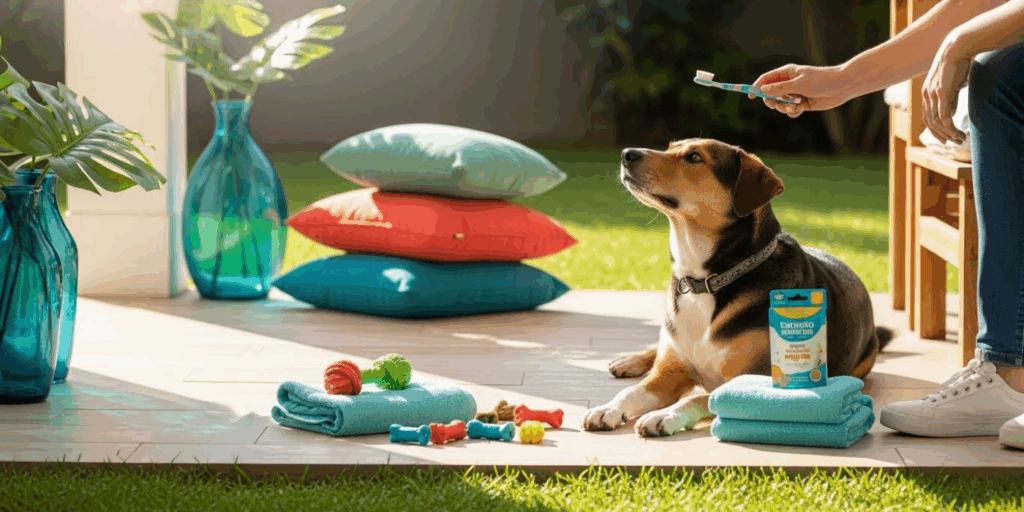
Let’s be real: Most dogs hate having their mouths touched. So how do you get them to cooperate?
Start slow. Be patient. Turn it into a game.
Phase 1: Build Trust
Spend a week just touching your dog’s muzzle, then their lips, then their teeth—with treats in hand. Say “Good job!” every time they let you touch. No force. Just love.
Phase 2: Introduce the Toothpaste
Let them lick the toothpaste off your finger. Make it a reward. Let them associate it with praise and snacks.
Phase 3: The Brushing Ritual
Pick a quiet time—after a walk, when they’re calm. Sit beside them, not above them. Gently lift the lip. Brush one tooth. Then give a treat. Next day, two teeth. Keep it short. Celebrate every win.
Bonus Tip: Try a finger brush or a soft silicone brush. Many dogs prefer it over a traditional toothbrush. And if they absolutely hate brushing? Use dental wipes. They’re not as effective as brushing, but they’re better than nothing.
One dog owner I spoke to, Maria, said her 12-year-old poodle, Mochi, used to growl if she even got near his mouth. After three weeks of daily “snuggle-and-scrub” sessions with treats, Mochi now leans into her hand like it’s a massage. “I didn’t think it was possible,” she told me. “Now he wants me to brush his teeth.”
It’s not magic. It’s consistency. And love.
When to See the Vet: The 3 Signs You Can’t Ignore
Let’s cut through the noise. You don’t need to rush to the vet every time your dog’s breath smells a little off. But here are the three non-negotiable red flags that mean it’s time to go:
- Bleeding Gums
If you see blood on their chew toy, in their water bowl, or on your fingers after brushing—this is serious. It means advanced gum disease or infection. - Loose or Missing Teeth
Teeth shouldn’t wobble. If you see one hanging by a thread—or a gap where a tooth used to be—it’s not just cosmetic. It’s painful and dangerous. - Reluctance to Eat or Chew
If your dog suddenly drops food, chews on one side of their mouth, or avoids hard kibble? They’re in pain. Don’t wait. They’re not being “picky.” They’re suffering.
A professional dental cleaning under anesthesia might sound scary—but it’s often the only way to remove tartar below the gumline. And it’s safer than letting infection spread.
Most vets offer free dental check-ups during annual exams. Take advantage. Ask them to grade your dog’s oral health on a scale of 1–5. If it’s a 3 or higher? It’s time to plan for cleaning.
And yes—yes—you can prevent most of this with daily care. But if your dog’s already at Stage 3? Don’t feel guilty. Just act. Your love is their best medicine.
Final Thought: Your Dog’s Smile Is a Mirror of Your Love
I’ll leave you with this.
Your dog doesn’t care if your house is spotless. They don’t care if you’re late to work. They don’t care if you forget to pay the electric bill.
But they do care if you notice when their breath smells bad. They care if you take the time to brush their teeth. They care if you choose a healthy treat over a cheap one.
Every time you lift their lip, every time you offer a carrot, every time you say “no” to a greasy scrap—you’re saying, “I see you. I care.”
Bad breath isn’t just about odor. It’s about connection.
Your dog’s breath might be the first thing you notice in the morning. But it’s the last thing they’ll remember you for.
So next time you lean in for a kiss, don’t just smell. Listen. Feel. Care.
Because the sweetest breath in the world?
It’s the one you helped create—with patience, with love, and with just a little bit of daily effort.
What’s your dog’s favorite way to freshen their breath?
Do you brush their teeth? Use dental chews? Maybe you’ve discovered a surprising trick that works? Share your story in the comments below—we’d love to hear what’s worked for your pup! And if this guide helped you, please share it with a fellow dog lover. Because every fresh breath starts with one small act of care. 💙

Lucas Neto is a passionate animal enthusiast who has spent years learning, caring, and connecting with pets of all kinds. His fascination with animals began in childhood and grew into a lifelong dedication to understanding their behavior, needs, and unique personalities. Whether rescuing strays, supporting responsible pet care, or simply enjoying the everyday joy that animals bring, Lucas is committed to sharing his knowledge and love for pets with others.