Imagine this: your dog greets you at the door with that signature wagging tail, a slobbery kiss, and a breath that smells like a dumpster behind a fish market. You laugh it off—“It’s just dog breath,” you tell yourself. But what if that stinky breath isn’t just annoying… it’s a silent scream for help?
The truth is, 80% of dogs show signs of periodontal disease by age three—and most owners never realize it until it’s too late. Bad breath isn’t just a nuisance. It’s often the first red flag of a much bigger problem: infected gums, loose teeth, even bacteria spreading to the heart, kidneys, and liver. Your dog can’t tell you their mouth hurts. They can’t say, “I need a toothbrush.” But they can show you—through lethargy, dropping food, or suddenly refusing to play fetch.
This article isn’t about fancy gadgets or expensive vet bills. It’s about understanding why your dog’s mouth matters—and how you, as their human, can make a real difference with simple, everyday habits. We’ll break down the hidden dangers of poor dental health, show you how to spot early warning signs, and give you practical, doable steps to keep your pup’s smile healthy—without turning your living room into a veterinary clinic.
Let’s get started.
Why Your Dog’s Mouth Is More Important Than You Think
You wouldn’t ignore a toothache in yourself. So why brush it off in your dog?
Dogs don’t get “cavities” like humans do—but they do suffer from something far more insidious: periodontal disease. It starts with plaque, a sticky film of bacteria that forms on teeth after meals. If not removed, plaque hardens into tartar (that yellowish-brown gunk you see near the gumline), which irritates the gums, causes inflammation, and eventually leads to infection.
Here’s the scary part: bacteria from infected gums can enter the bloodstream. Studies have shown a direct link between severe dental disease in dogs and conditions like heart valve damage, kidney failure, and even liver problems. One 2019 study published in the Journal of Veterinary Dentistry found that dogs with advanced periodontal disease had a 2.3x higher risk of developing heart disease than dogs with clean teeth.
Think of it like this: your dog’s mouth is a gateway. When it’s unhealthy, everything else in their body pays the price.
And here’s another truth no one talks about: dogs are masters at hiding pain. Just because your dog is still eating kibble doesn’t mean they’re not suffering. Many dogs with painful gums will chew on one side of their mouth, swallow food whole, or simply become quieter, less playful. By the time they stop eating altogether, the damage is often severe.
Your dog doesn’t need a crown or a root canal. But they do need you to care for their oral health like you would your own.
The Silent Signs: How to Spot Trouble Before It’s Too Late

So how do you know if your dog’s teeth are in trouble? It’s not always about bad breath (though that’s a big clue). Here’s what to look for:
- Yellow or brown buildup on teeth, especially near the gumline
- Red, swollen, or bleeding gums
- Excessive drooling or blood in saliva
- Reluctance to chew toys or hard food
- Pawing at the mouth or rubbing face on the floor
- Loss of appetite or dropping food while eating
- Changes in behavior—becoming irritable, withdrawn, or less interested in cuddles
I once had a client whose golden retriever, Max, suddenly stopped fetching his favorite ball. The owner thought he was just getting old. But when she noticed Max’s gums were bright red and he’d started avoiding his kibble, she took him in. The vet found three loose teeth and a severe infection. After a cleaning and two extractions, Max was back to chasing balls—and grinning like a fool.
Pro tip: Get down on your dog’s level. Lift their lip once a week. Don’t wait for a vet appointment to check. A quick glance can save you thousands—and your dog from pain.
Also, don’t be fooled by “clean-looking” teeth. Tartar can hide under the gumline. That’s why professional cleanings are essential. But here’s the good news: daily home care can delay the need for those cleanings by years.
The Simple Daily Routine That Changes Everything
You don’t need a degree in veterinary science to keep your dog’s teeth healthy. You just need consistency—and a little creativity.
Step 1: Brush Their Teeth (Yes, Really)
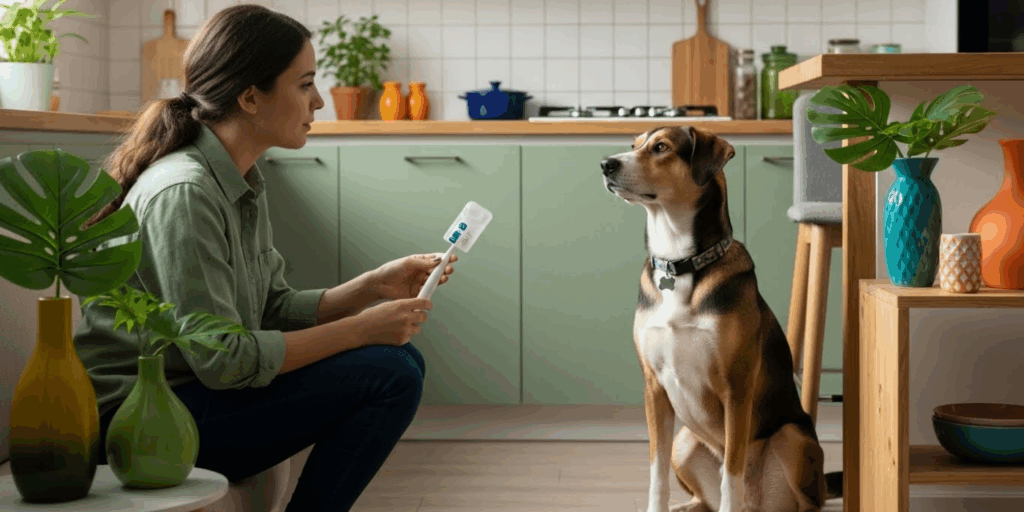
Start with a dog-specific toothbrush (finger brushes work great for beginners) and vet-approved toothpaste. Never use human toothpaste—it contains xylitol, which is toxic to dogs.
Begin by letting your dog lick the paste off your finger. Then gently rub their teeth with your finger. Gradually introduce the brush. Aim for 3–5 minutes, 3–4 times a week. Daily is ideal, but even twice a week makes a huge difference.
Step 2: Dental Chews and Treats That Actually Work
Not all treats are created equal. Look for the VOHC (Veterinary Oral Health Council) seal—this means the product has been scientifically proven to reduce plaque or tartar. Brands like Greenies, Dentastix (in moderation), and Hill’s Science Diet Dental Treats are trusted choices.
Think of these as “bonus care”—not a replacement for brushing, but a helpful ally.
Step 3: Chew Toys = Nature’s Toothbrush
Rawhide, rubber toys, and dental ropes aren’t just for entertainment—they’re functional. Chewing scrapes plaque off teeth. Choose hard, durable toys (like Kong Dental Sticks or Nylabone Dental Chews), but avoid bones or antlers—they can crack teeth.
Step 4: Water Additives and Oral Sprays
If brushing feels impossible, try adding a vet-approved dental water additive (like Healthymouth) to their bowl. These reduce bacteria and freshen breath. Oral sprays with chlorhexidine can also help between brushings.
Real-life hack: I know a busy mom who brushes her Shih Tzu’s teeth while watching Netflix. She keeps the brush and paste on the coffee table. Ten seconds before the show starts? Brush. Ten seconds after? Treat. Consistency beats perfection.
The Myth of “Natural” Dental Care (And What Actually Works)
You’ve probably seen ads for “all-natural” dog dental solutions: coconut oil, apple cider vinegar, raw carrots. And yes, some of these can help—but none replace brushing.
Coconut oil has antibacterial properties, so a dab on a brush can be a gentle starter. Raw carrots? They’re great for chewing and can help scrape plaque—but they won’t clean below the gumline. Apple cider vinegar? No scientific backing for dogs, and it can irritate sensitive mouths.
The truth? There’s no magic bullet. What works is a combination of tools and habits. Brushing + vet-approved chews + regular checkups = the gold standard.
And here’s something else: professional cleanings aren’t optional. Even with perfect home care, tartar builds up over time. That’s why most vets recommend an annual dental exam and cleaning under anesthesia. Yes, anesthesia sounds scary—but modern veterinary medicine makes it very safe. The risks of not cleaning far outweigh the risks of the procedure.
One client told me, “I was terrified to put my 12-year-old poodle under.” But after the cleaning, he was playful again. “He acted like a puppy,” she said. “I didn’t realize how much pain he was in.”
Prevention Is Cheaper Than Pain (And a Lot Less Heartbreaking)
Let’s talk numbers.
A basic dental cleaning for a dog costs between $300–$700, depending on location and complexity. But if periodontal disease goes untreated? You could be looking at $2,000+ for extractions, antibiotics, X-rays, and hospitalization.
Now think about the cost of not acting: your dog’s quality of life. Imagine your pup, once full of energy, now too sore to jump on the couch. Too tired to greet you at the door. Too afraid to eat.
That’s not just expensive—it’s heartbreaking.
The good news? Prevention costs pennies.
A tube of dog toothpaste: $8
A finger brush: $5
A bag of VOHC-approved chews: $15/month
That’s less than $2 a day to protect your dog’s health, comfort, and longevity.
And let’s not forget: your dog’s smile is a reflection of your care. When their breath is fresh, their eyes are bright, and they’re happy to lick your face? That’s not just hygiene. That’s love in action.
The Ripple Effect: How Healthy Teeth Change Your Dog’s Whole Life

Good oral health doesn’t just prevent disease—it transforms your dog’s daily experience.
Think about it:
- A dog with clean teeth can chew their food properly → better digestion → more energy
- A pain-free mouth means they’re more likely to play, explore, and engage with you
- Fresh breath? More cuddles. More kisses. More connection
I spoke with a dog trainer who works with senior dogs. She said, “When owners start caring for their dog’s teeth, it’s like turning on a light switch. The dog becomes more alert, more playful, more themselves. It’s not just dental care—it’s emotional care.”
And here’s the beautiful twist: your dog notices. They feel the difference. When you brush their teeth gently, when you praise them afterward, when you reward them with love instead of just a treat—they start to associate care with comfort. They learn to trust you even more.
That’s the real reward.
Your Dog’s Smile Deserves More Than a Quick Glance
We live in a world where we track our steps, count our calories, and schedule our annual checkups. But when it comes to our dogs, we often treat their health like a background task.
Your dog doesn’t care if you’re tired. They don’t care if you forgot to buy toothpaste. They just want to feel safe. To feel well. To be able to eat, play, and love without pain.
So here’s my challenge to you:
This week, do one thing.
- Lift your dog’s lip and check their gums.
- Buy a tube of dog toothpaste.
- Try brushing for just 30 seconds tonight.
- Ask your vet about VOHC-approved products.
You don’t have to be perfect. You just have to start.
Because every day you wait, plaque hardens. Every day you ignore it, your dog suffers silently.
But every day you act?
You give them more years.
More wagging tails.
More slobbery kisses—this time, with fresh breath.
And that’s worth every second.
Final Thought: You’re Not Just a Pet Owner. You’re Their Guardian.
Your dog doesn’t have a dental insurance plan. They can’t Google “best toothpaste for dogs.” They can’t schedule an appointment or say, “I think my tooth hurts.”
But you can.
And when you do—when you choose to care for their mouth, their health, their comfort—you’re not just preventing disease.
You’re saying: I see you. I hear you. I’m not letting you suffer.
So go ahead. Grab that toothbrush. Say hello to their gums. Give them a treat after. Smile back when they lick your face.
Because the best thing you can give your dog?
A healthy, happy, pain-free life.
And it all starts with a simple, quiet act: brushing their teeth.
What’s your dog’s dental story?
Have you noticed a change after starting oral care? Did you almost skip it… until it was too late?
Share your experience in the comments below. Let’s build a community where no dog has to suffer in silence.
And if this article helped you—even just a little—please share it with a fellow dog parent. Because every dog deserves a smile that shines.

Lucas Neto is a passionate animal enthusiast who has spent years learning, caring, and connecting with pets of all kinds. His fascination with animals began in childhood and grew into a lifelong dedication to understanding their behavior, needs, and unique personalities. Whether rescuing strays, supporting responsible pet care, or simply enjoying the everyday joy that animals bring, Lucas is committed to sharing his knowledge and love for pets with others.