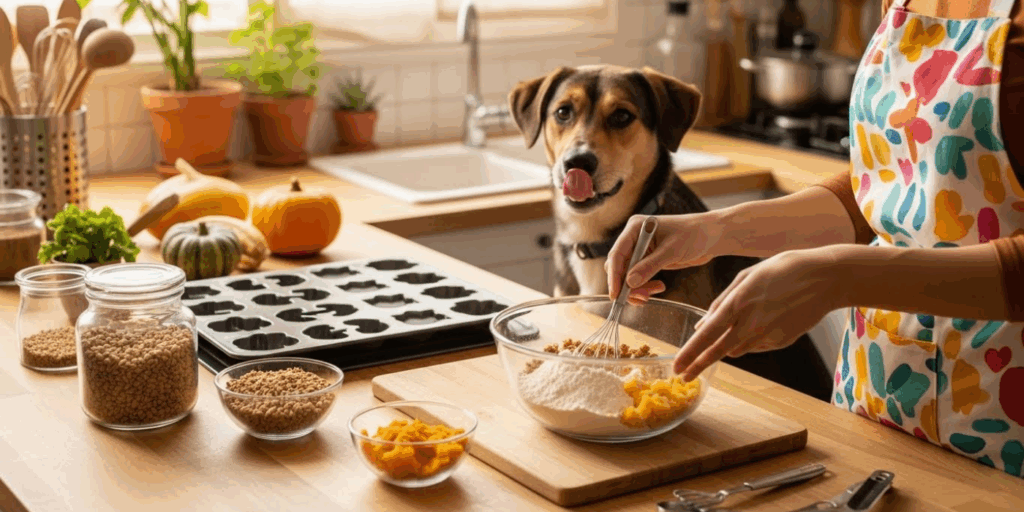
Introduction: Treat Your Pup Right—From Your Kitchen!
There’s nothing quite like the tail-wagging joy your dog shows when you hand them a treat. But what if that little snack could do more than just reward good behavior? What if it could nourish their body, support their health, and bring you closer together through the simple act of baking?
More pet parents are discovering the benefits of swapping store-bought treats for healthy homemade dog treats—and for good reason. Commercial dog snacks often hide sneaky ingredients like artificial preservatives, excessive sugars, and fillers that offer little to no nutritional value. By making your own, you gain full control over what goes into every bite, ensuring your furry friend gets only the good stuff.
In this article, we’ll walk you through everything you need to know to start whipping up wholesome, delicious, and vet-approved treats in your own kitchen. You’ll learn why homemade is often healthier, which ingredients to embrace (and which to avoid), easy beginner-friendly recipes, smart storage tips, and how tailoring treats to your dog’s unique needs can make a real difference in their overall well-being.
Whether you’re a seasoned home cook or have never baked for your pup before, you’ll find practical, actionable advice you can use right away. Let’s get started on a journey that’s as rewarding for you as it is tasty for your dog!
Why Homemade Dog Treats Are Worth the Effort
The dog treat aisle at the pet store can be overwhelming—rows of colorful bags boasting “natural,” “grain-free,” or “gourmet” labels. But looks can be deceiving. A 2022 study by the Center for Veterinary Medicine found that nearly 30% of commercial dog treats contained undeclared ingredients or misleading nutritional claims. That’s a big reason why many veterinarians now encourage homemade alternatives.
Making your own dog treats isn’t just about avoiding mystery ingredients—it’s about proactive pet care. You can customize recipes based on your dog’s age, size, allergies, or health conditions. For example, a senior dog with joint pain might benefit from treats made with turmeric and coconut oil, while a pup with a sensitive stomach may thrive on simple, single-ingredient snacks like baked sweet potato slices.
Plus, homemade treats are often more affordable in the long run. A batch of peanut butter and pumpkin biscuits costs just a few dollars to make but can last weeks when stored properly. And let’s not forget the emotional bonus: your dog will love the extra attention, and you’ll feel great knowing you’re giving them something made with care.
Key benefits of homemade dog treats:
- Full ingredient transparency
- Tailored nutrition for specific needs
- Cost-effective over time
- Reduced exposure to artificial additives
- A fun, bonding activity for pet parents
As you’ll soon see, you don’t need fancy equipment or culinary expertise—just a little time and love.
Safe (and Unsafe) Ingredients: What to Include—and Avoid
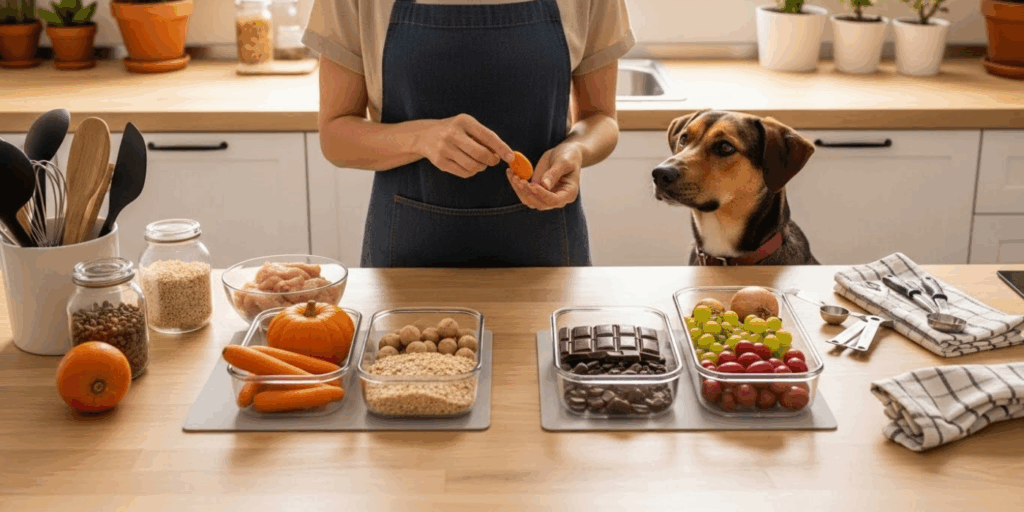
Before you preheat your oven, it’s crucial to know which human foods are safe for dogs and which are dangerous. While dogs can enjoy many kitchen staples, some common ingredients can cause serious harm—even in small amounts.
Dog-Safe Ingredients to Love:
- Peanut butter (unsalted, xylitol-free): A protein-rich favorite
- Pumpkin puree (not pie filling): Great for digestion
- Sweet potatoes: Packed with fiber and beta-carotene
- Oats: Gentle on sensitive stomachs
- Blueberries: Antioxidant powerhouses
- Carrots: Low-calorie and crunchy
- Plain yogurt (in moderation): Probiotics for gut health
Ingredients to NEVER Use:
- Chocolate (toxic due to theobromine)
- Xylitol (found in sugar-free gum and some peanut butters—can cause liver failure)
- Onions and garlic (damage red blood cells)
- Grapes and raisins (linked to kidney failure)
- Avocado (contains persin, which can be toxic)
- Alcohol, caffeine, or macadamia nuts (all highly toxic)
Pro Tip: Always double-check labels—even “natural” peanut butter can contain xylitol. When in doubt, consult your veterinarian before introducing a new ingredient.
Think of your dog’s treat like a mini meal: simple, whole, and nutrient-dense. Avoid anything highly processed, sugary, or spiced. Your dog doesn’t need flavor enhancers—they’ll be thrilled with the natural taste of real food!
3 Easy, Vet-Approved Recipes to Get You Started
Ready to bake? Here are three beginner-friendly recipes that are nutritious, delicious, and approved by holistic veterinarians. Each uses pantry staples and takes under 30 minutes to prep.
1. Classic Peanut Butter & Pumpkin Biscuits
Perfect for digestive health and picky eaters.
Ingredients:
- 1 cup pumpkin puree
- ¼ cup unsweetened applesauce
- ¼ cup xylitol-free peanut butter
- 2½ cups whole wheat or oat flour
Instructions:
- Preheat oven to 350°F (175°C).
- Mix wet ingredients, then gradually add flour until a dough forms.
- Roll out and cut into shapes with a cookie cutter.
- Bake for 20–25 minutes until golden. Cool completely before serving.
2. Frozen Blueberry Yogurt Bites
Ideal for hot days or teething puppies.
Ingredients:
- 1 cup plain Greek yogurt (low-fat, no sugar)
- ½ cup fresh or frozen blueberries
Instructions:
- Blend ingredients until smooth.
- Pour into silicone molds or an ice cube tray.
- Freeze for 4+ hours. Store in a freezer bag for up to 2 months.
3. Dehydrated Sweet Potato Chews
A chewy, long-lasting, single-ingredient treat.
Ingredients:
- 2 large sweet potatoes
Instructions:
- Wash and slice into ¼-inch strips (peeling optional).
- Lay on a baking sheet; bake at 250°F (120°C) for 2–3 hours, flipping halfway.
- Cool completely—they’ll harden as they dry.
Storage Tip: Keep baked treats in an airtight container in the fridge for up to 2 weeks, or freeze for longer shelf life.
These recipes are just a starting point—feel free to experiment once you know your dog’s preferences and tolerances!
Tailoring Treats to Your Dog’s Unique Needs
One-size-fits-all doesn’t apply to dog nutrition. A 5-pound Chihuahua has vastly different caloric and nutritional needs than a 90-pound Labrador. Customizing treats shows deep care for your pet’s individual health journey.
For Senior Dogs:
Add anti-inflammatory ingredients like turmeric (½ tsp per batch) or omega-3-rich flaxseed. Soft or moist treats are easier on aging teeth.
For Puppies:
Focus on protein and calcium for growth. Use cottage cheese or egg yolks (cooked) in moderation. Keep treats small—no bigger than your pinky nail.
For Dogs with Allergies:
Grain-free flours like chickpea or coconut flour work well. Avoid common allergens like chicken, beef, or dairy if your vet recommends an elimination diet.
For Overweight Dogs:
Low-calorie options like green beans, zucchini, or carrot chips are excellent. Skip added fats and sugars entirely.
Pro Tip: Always introduce new ingredients one at a time and in small amounts. Monitor for signs of upset stomach, itching, or lethargy.
Remember: treats should make up no more than 10% of your dog’s daily calories. A 30-pound dog, for example, should only have around 90–100 treat calories per day. Use a calorie calculator or ask your vet for guidance.
By personalizing your recipes, you’re not just feeding your dog—you’re supporting their long-term vitality.
Beyond Baking: Creative, No-Oven Treat Ideas
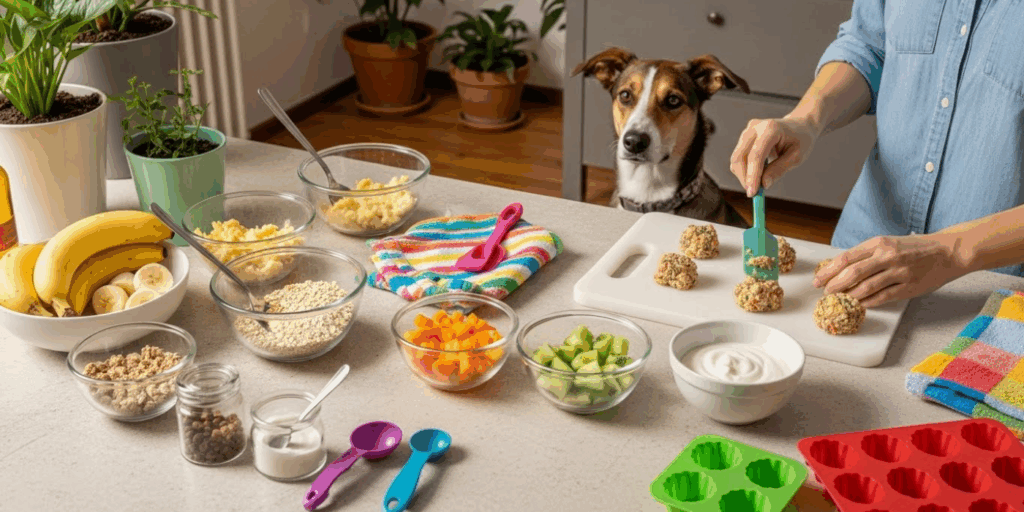
Not in the mood to turn on the oven? No problem! Healthy dog treats don’t require baking at all. In fact, some of the simplest snacks are the most nutritious.
Dehydrator Magic:
If you own a food dehydrator, try making dried apple slices, green beans, or even liver chips (a protein-packed favorite). Dehydration preserves nutrients without added oils or sugars.
Freezer-Friendly Options:
Blend cooked chicken, spinach, and broth, then freeze in bone-shaped molds. These “pupsicles” are hydrating and perfect for summer.
No-Cook Bites:
Mix mashed banana with rolled oats and a spoonful of peanut butter. Roll into balls and refrigerate. No baking needed!
Leftover Love:
Got plain cooked chicken or turkey from dinner? Chop it up and use it as a high-value training reward. Just avoid seasoning, skin, or bones.
These alternatives are great for busy days or hot weather when you want to avoid heating up the kitchen. Plus, they often retain more natural enzymes and nutrients than baked goods.
Bonus Idea: Stuff a Kong toy with a mix of plain yogurt, berries, and a drizzle of honey (for dogs over 1 year old), then freeze. It’s a treat and a mental enrichment activity!
Final Thoughts: Love, Care, and a Little Flour
Making healthy homemade dog treats is more than a kitchen project—it’s an act of love. Every time you choose real food over processed snacks, you’re investing in your dog’s long-term health, happiness, and quality of life. You’re also building a deeper connection, one wagging tail at a time.
We’ve covered why homemade treats matter, which ingredients are safe (and which are risky), easy recipes to try today, how to customize for your dog’s unique needs, and creative no-bake alternatives. Now, it’s your turn to step into the kitchen—not as a chef, but as a caring pet parent with your dog’s best interest at heart.
Don’t worry about perfection. Your dog won’t care if the biscuits are lopsided or if the frozen bites aren’t Instagram-worthy. What they will notice is the smell of wholesome ingredients, the extra cuddles during prep time, and the joy of sharing something made just for them.
So go ahead—preheat that oven, grab a mixing bowl, and treat your best friend to something truly special.
Have you made homemade dog treats before? What’s your pup’s favorite recipe? Share your stories, questions, or photos in the comments below—we’d love to hear from you! And if you found this guide helpful, please share it with a fellow dog lover who’d appreciate it too. After all, every dog deserves a treat made with love. 🐾

Lucas Neto is a passionate animal enthusiast who has spent years learning, caring, and connecting with pets of all kinds. His fascination with animals began in childhood and grew into a lifelong dedication to understanding their behavior, needs, and unique personalities. Whether rescuing strays, supporting responsible pet care, or simply enjoying the everyday joy that animals bring, Lucas is committed to sharing his knowledge and love for pets with others.