

Introduction
Imagine this: you’re lounging on the porch on a sweltering summer afternoon, ice-cold lemonade in hand, when your Siberian Husky flops dramatically onto the tile floor, tongue lolling out like a furry, four-legged drama queen. You chuckle—but then a worry niggles in the back of your mind: Is my husky okay in this heat?
You’re right to wonder. Originally bred to thrive in the icy tundras of Siberia, huskies come with a thick double coat, boundless energy, and a love for cold that borders on obsession. So what happens when your beloved pup meets triple-digit temperatures? Can they adapt? And more importantly—how can you keep them safe, happy, and healthy when the mercury rises?
In this article, we’ll explore everything you need to know about caring for a Siberian Husky in hot weather. From understanding their unique physiology to practical cooling strategies, hydration tips, and warning signs of heat distress, we’ve got you covered. Whether you live in Florida, Texas, or any other sun-drenched region, this guide will help you turn sweltering summers into safe, comfortable seasons for your frost-loving friend. Let’s dive in—and keep that tail wagging, not wilting.
Why Huskies Struggle in the Heat
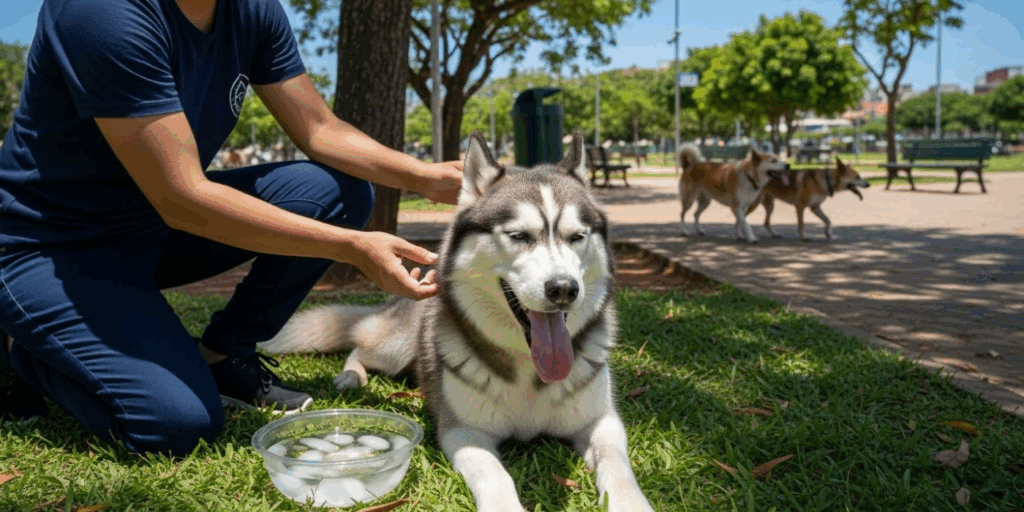
Siberian Huskies aren’t just “fluffy dogs”—they’re evolutionary marvels built for sub-zero survival. Their double coat, consisting of a soft undercoat and longer guard hairs, traps air to insulate against both extreme cold and, surprisingly, moderate heat. But there’s a limit. Unlike humans, dogs don’t sweat through their skin; they rely almost entirely on panting and heat dissipation through their paw pads. For a husky, that system can quickly become overwhelmed in high temperatures and humidity.
Did you know? A husky’s ideal temperature range is between 20°F and 70°F (-6°C to 21°C). Once it climbs above 80°F (27°C), they start showing signs of discomfort. At 90°F (32°C) or higher—especially with high humidity—their risk of heatstroke skyrockets.
Unlike short-haired breeds that may seek shade and cool down relatively easily, a husky’s dense fur acts like a built-in parka. While it does provide some protection from direct sunlight (yes, shaving isn’t the answer—we’ll get to that!), it also slows down their ability to release internal heat. Combine that with their high energy levels and stubborn playfulness, and you’ve got a dog that might not realize it’s overheating until it’s too late.
Understanding this biological reality is the first step toward responsible summer care. It’s not about changing your husky—it’s about adapting your routine to honor their needs in a climate they were never meant to endure.
Myth Busting: Should You Shave Your Husky in Summer?
Here’s a common misconception: “If it’s hot for me, it must be hotter for my husky—so I’ll just shave them.” While this idea comes from a place of love, it’s one of the biggest mistakes a husky owner can make.
Shaving a husky’s coat is almost always a bad idea. Their double coat isn’t just fluff—it’s a natural climate-control system. In winter, it traps warm air close to the body. In summer, it reflects sunlight and allows airflow close to the skin, acting like a built-in sun shield. Shaving it off strips away this protection, exposing delicate skin to UV rays and increasing the risk of sunburn, skin irritation, and even heatstroke.
Moreover, a shaved coat doesn’t always grow back properly—especially in older dogs. You might end up with patchy regrowth, altered texture, or permanent changes to the coat’s insulating properties.
So what should you do instead?
- Brush regularly: Daily brushing in summer removes loose undercoat and prevents matting, improving airflow.
- Use a deshedding tool: Tools like the Furminator (used gently and correctly) can reduce shedding and keep the coat healthier.
- Never shave unless medically necessary: Only a vet should recommend shaving—and only in cases like severe skin disease.
Think of your husky’s coat like a thatched roof: it keeps the inside cool by blocking heat from getting in. Removing it is like tearing off the roof and expecting the house to stay cool. Trust nature—it designed this coat for a reason.
Keeping Your Husky Cool: Practical Strategies for Hot Days
Now that we’ve cleared up the shaving myth, let’s talk about what actually works to keep your husky comfortable in the heat. The key is proactive cooling, not reactive crisis management.
1. Provide constant access to shade and cool surfaces
Tile or concrete floors are your best friends. Create a “cool zone” in your home where your husky can sprawl out. Outdoors, ensure they have a shaded area—ideally with a canopy or covered patio—not just under a tree that shifts with the sun.
2. Use cooling mats or vests
Cooling mats filled with non-toxic gel can stay cool for hours without electricity. Similarly, cooling vests (soaked in cool water and wrung out) can help regulate body temperature during walks or outdoor time.
3. Adjust walk times
Walk your husky early in the morning or late at night when pavement is coolest. Test the ground with your hand—if it’s too hot for you to hold your palm on it for 5 seconds, it’s too hot for their paws.
4. Offer frozen treats
Blend plain yogurt, peanut butter (xylitol-free!), and blueberries, then freeze in KONG toys. Not only is it cooling, but it also provides mental stimulation.
5. Install a kiddie pool
Many huskies love water—even if they’re not “water dogs” by breed standards. A shallow pool in the yard lets them self-cool on their terms.
Bonus tip: Freeze large water bottles, wrap them in towels, and place them near your dog’s resting area. They’ll lean against them for natural cooling.
These aren’t luxuries—they’re necessities for summer survival. And the best part? Most of them cost little to nothing. A few small changes can make a world of difference in your husky’s comfort and safety.
Hydration: The Lifeline in Summer Heat

Water isn’t just important—it’s critical. In hot weather, a husky can lose fluids rapidly through panting, and dehydration sets in faster than you might think.
Always provide fresh, clean water in multiple locations—inside the house, in the yard, and even in your car during short trips. Consider investing in a pet fountain; the moving water often encourages dogs to drink more.
Watch for signs of dehydration:
- Dry, sticky gums
- Loss of skin elasticity (gently pinch the skin on their back—if it doesn’t snap back quickly, they’re dehydrated)
- Lethargy or excessive panting
- Sunken eyes
To boost hydration, try adding low-sodium chicken broth to their water or offering ice cubes as treats. Some owners even make “pupsicles” with bone broth and carrots.
And never—ever—leave your husky in a parked car, even “just for a minute.” Temperatures inside a vehicle can soar to 120°F (49°C) in under 10 minutes, even with windows cracked. It’s a deadly risk that’s 100% preventable.
Recognizing and Responding to Heatstroke
Heatstroke is a medical emergency—and huskies are especially vulnerable. Unlike humans, dogs can’t regulate their body temperature efficiently, and their internal thermostat can spiral out of control in minutes.
Early signs of heat distress:
- Excessive panting
- Bright red gums
- Drooling thick saliva
- Restlessness or confusion
Advanced signs (heatstroke):
- Vomiting or diarrhea
- Weakness or collapse
- Seizures
- Unconsciousness
If you suspect heatstroke:
- Move your dog to a cool, shaded area immediately.
- Apply cool (not ice-cold) water to their paws, belly, and head. Ice can cause blood vessels to constrict, trapping heat inside.
- Offer small sips of water—don’t force it.
- Call your vet or an emergency clinic while you’re cooling them down. Time is brain—and organs.
Even if your dog seems to recover, always seek veterinary care. Heatstroke can cause internal damage that isn’t immediately visible.
Prevention is everything. On days over 85°F (29°C), limit outdoor time, avoid exercise during peak heat, and monitor your husky closely. When in doubt, keep them indoors with air conditioning or fans.
Adapting Your Husky’s Routine for Summer
Summer doesn’t mean your husky has to become a couch potato—but it does mean rethinking how you spend your time together.
Swap intense play for mental stimulation:
Instead of long fetch sessions at noon, try puzzle toys, scent games, or obedience training indoors. Huskies are intelligent and thrive on challenges that don’t raise their body temperature.
Create a “cool-down ritual”:
After any outdoor time, gently wipe your husky’s paws and belly with a damp towel. Offer fresh water and let them rest in their cool zone.
Consider indoor doggy daycare:
If you’re away during the day, a climate-controlled facility can be safer than leaving them alone in a hot house.
Use fans strategically:
Place a fan near their bed—but never blow it directly in their face. Combine it with a damp bandana around their neck for extra cooling.
Remember: your husky may want to run and play in the heat, but they don’t understand the danger. It’s your job to be the calm, consistent guardian who says, “Not today, buddy—let’s play when it’s cooler.”
Conclusion: Love Means Protection in the Heat
Caring for a Siberian Husky in hot weather isn’t about restricting their joy—it’s about safeguarding their well-being so they can enjoy life to the fullest, safely. From respecting their natural coat to providing smart cooling solutions, staying vigilant about hydration, and knowing the signs of heatstroke, every action you take makes a difference.
Your husky trusts you completely. They don’t know why the world feels so unbearably hot—but they know you’ll keep them safe. That’s the unspoken promise of pet ownership: to advocate for them when they can’t speak for themselves.
So this summer, be their hero. Keep the water bowls full, the floors cool, and the walks timed for twilight. Watch them closely, love them fiercely, and never underestimate the power of a shaded nap or a frozen treat.
Now we’d love to hear from you: How do you keep your husky cool in the summer? Do they have a favorite cooling trick or a go-to frozen snack? Share your tips in the comments below—your experience could help another husky parent keep their pup safe and happy in the heat!
And if you found this guide helpful, please share it with fellow dog lovers. Because every husky deserves a summer that’s not just survivable—but joyful.

Lucas Neto is a passionate animal enthusiast who has spent years learning, caring, and connecting with pets of all kinds. His fascination with animals began in childhood and grew into a lifelong dedication to understanding their behavior, needs, and unique personalities. Whether rescuing strays, supporting responsible pet care, or simply enjoying the everyday joy that animals bring, Lucas is committed to sharing his knowledge and love for pets with others.