Introduction
Imagine coming home to find your favorite pair of shoes reduced to shreds—or worse, your beloved pup choking on a piece of a broken toy. It’s every dog owner’s nightmare. Yet, with countless colorful, squeaky, and plushy toys lining pet store shelves, it’s easy to overlook what truly matters: safety and durability.
Dogs explore the world with their mouths, and their toys are more than just entertainment—they’re tools for mental stimulation, dental health, and emotional comfort. But not all toys are created equal. Some contain toxic materials, others fall apart in minutes, and a surprising number pose serious choking or ingestion risks.
In this guide, we’ll walk you through everything you need to know to choose safe, long-lasting, and enriching dog toys—no matter your dog’s size, age, or chewing style. From material safety to size appropriateness and smart purchasing habits, you’ll leave this article equipped to make confident, informed choices that keep your furry friend happy, healthy, and out of the vet’s office. Let’s dive in.
1. Why Toy Safety Should Be Your Top Priority
You might think a dog toy is “just a toy,” but for your pup, it’s a daily companion—chewed, tossed, hugged, and sometimes even slept on. Unfortunately, the pet toy industry isn’t as tightly regulated as you might assume. According to the American Society for the Prevention of Cruelty to Animals (ASPCA), thousands of dogs each year are treated for toy-related injuries, including intestinal blockages, choking, and chemical exposure.
Consider Bella, a 2-year-old Labrador who swallowed a small rubber squeaker that broke off during play. She required emergency surgery to remove the obstruction. Stories like Bella’s aren’t rare—they’re preventable with better toy selection.
Safety isn’t just about avoiding hazards; it’s about peace of mind. When you choose a toy that’s non-toxic, appropriately sized, and built to last, you’re investing not only in your dog’s enjoyment but also in their long-term health. Plus, a durable toy means fewer replacements—and less waste—over time.
So before you grab the cutest squeaky squirrel off the shelf, ask yourself: Is this truly safe for my dog’s unique needs?
2. Material Matters: What’s Safe (and What’s Not)
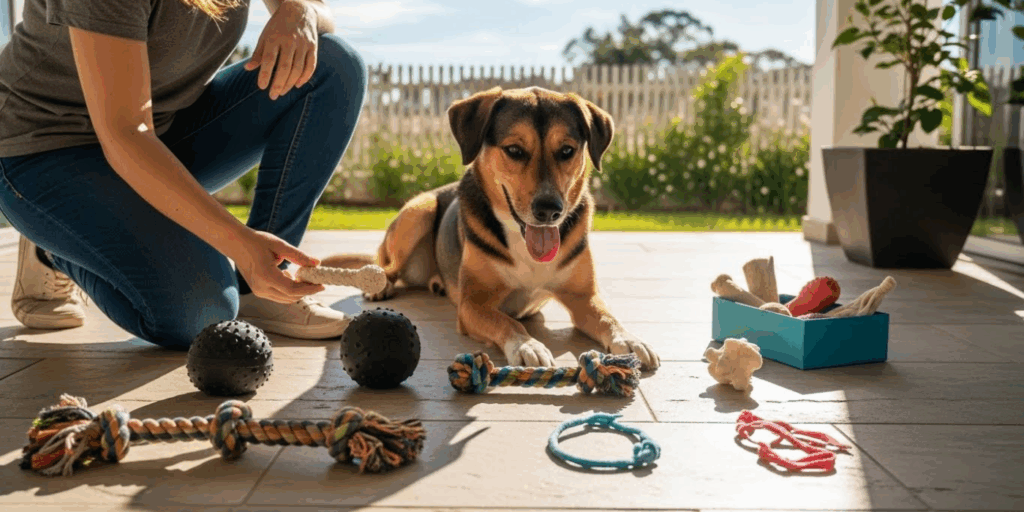
Not all materials are dog-friendly. While some toys are made from natural rubber or food-grade plastics, others contain phthalates, BPA, lead, or synthetic dyes that can leach into your dog’s system over time.
Safe materials include:
- Natural rubber (like those used by brands such as West Paw or KONG)
- Food-grade nylon (common in tough chew toys)
- Organic cotton or hemp (for soft plush toys)
- Untreated wood (for supervised chewing, though not ideal for aggressive chewers)
Red flags to avoid:
- Cheap plastics that crack or splinter easily
- Vinyl or PVC, which often contain phthalates
- Toys with strong chemical smells—a sign of off-gassing toxins
- Plush toys with small plastic eyes or buttons that can be torn off and swallowed
Always check the label. Reputable brands will proudly state that their products are BPA-free, phthalate-free, and non-toxic. When in doubt, contact the manufacturer directly—responsible companies are happy to share safety data.
Pro tip: If a toy leaves a residue on your hands or smells like a new car (in a bad way), skip it. Your dog’s nose is far more sensitive than yours—and so is their risk of exposure.
3. Match the Toy to Your Dog’s Size, Age, and Play Style
A Chihuahua and a Great Dane have vastly different needs—and so do a teething puppy and a senior dog with dental issues. One-size-fits-all doesn’t exist in the dog toy world.
- Puppies need soft, chewable toys that soothe sore gums (think rubber rings or frozen fabric knots).
- Adult dogs benefit from interactive and durable toys that challenge their minds and jaws.
- Senior dogs often prefer softer, low-impact toys that are easy to carry and gentle on aging teeth.
- Aggressive chewers (looking at you, Pit Bulls and Huskies!) require ultra-durable toys like KONG Extreme or GoughNuts—brands specifically designed to withstand powerful jaws.
- Gentle players might enjoy plush toys or treat-dispensing puzzles.
Size is critical. A toy that’s too small can be a choking hazard; one that’s too large may frustrate your dog or cause jaw strain. As a rule of thumb: if the toy fits entirely inside your dog’s mouth with room to spare, it’s too small.
Also, consider your dog’s play behavior. Does your pup fling toys across the yard? Choose something that won’t shatter on impact. Do they love to dissect stuffed animals? Opt for “indestructible” plush toys with reinforced stitching or avoid plush altogether.
4. Durability Isn’t Just About Longevity—It’s About Safety
A durable toy does more than save you money—it reduces the risk of ingestion. Toys that break into sharp shards or tiny pieces are dangerous, even if the original material was safe.
Look for these signs of quality construction:
- Seamless molding (no weak points where pieces can snap off)
- Reinforced stitching on plush toys
- Solid, one-piece designs (fewer detachable parts = fewer hazards)
- Manufacturer guarantees (some brands, like GoughNuts, offer chew-through warranties)
Test it yourself. Give the toy a firm squeeze or tug. Does it feel flimsy? Does the squeaker pop out easily? If it can’t withstand your hands, it won’t stand a chance against your dog’s teeth.
Also, rotate toys regularly. Not only does this keep your dog mentally stimulated, but it also gives each toy a “rest,” reducing wear and tear. Inspect toys weekly for cracks, loose parts, or frayed edges—and toss anything questionable immediately.
Remember: no toy is 100% indestructible. Supervised play is always the safest approach, especially with new or high-energy dogs.
5. Beyond the Basics: Smart Toy Choices for Enrichment and Health
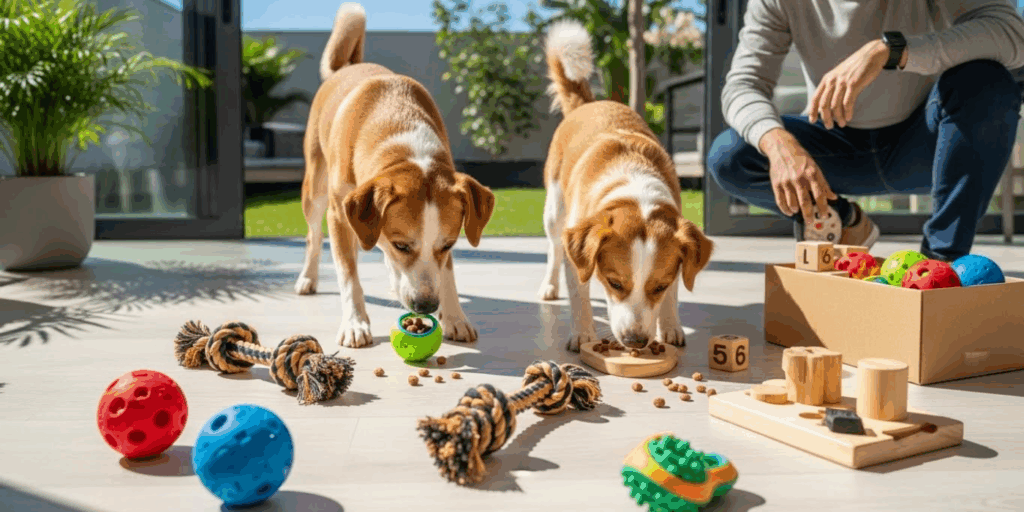
Great dog toys do more than survive a chewing session—they enhance your dog’s life. Enrichment toys can reduce anxiety, prevent boredom-related behaviors (like digging or barking), and even support dental health.
Types of enriching toys to consider:
- Puzzle feeders: These make your dog “work” for their kibble, slowing down fast eaters and engaging their problem-solving skills.
- Treat-dispensing balls: Perfect for solo play and mental stimulation.
- Dental chews and ridged rubber toys: Designed to scrape plaque and massage gums as your dog chews.
- Fetch and tug toys made from rope or braided cotton: Great for bonding and safe interactive play (just supervise to avoid swallowing fibers).
DIY options can be safe too—like stuffing a clean sock with old fabric strips (no loose threads!) or freezing broth in a Kong. But always err on the side of caution: if it wasn’t designed for dogs, it might not be safe.
Also, consider your dog’s emotional state. Anxious dogs often benefit from snuffle mats or lick mats, which provide calming, focused activities. High-energy breeds thrive on fetch toys or flirt poles that channel their drive constructively.
By choosing toys that serve a purpose beyond play, you’re not just entertaining your dog—you’re supporting their physical, mental, and emotional well-being.
6. What to Do When a Toy Fails: Prevention and Response
Even the best toys can wear out. The key is vigilance and quick action.
Create a routine: inspect all toys every few days. Look for:
- Frayed edges or loose threads
- Cracks in rubber or plastic
- Missing squeakers, eyes, or stuffing
- Any sign of discoloration or odor
If you find damage, discard the toy immediately—don’t try to “repair” it. A well-meaning fix with glue or thread could introduce new hazards.
If your dog does swallow part of a toy, watch for these emergency signs:
- Vomiting or retching
- Lethargy or loss of appetite
- Straining to defecate or diarrhea
- Abdominal pain (whining, restlessness, or a hunched posture)
Don’t wait—contact your vet right away. Early intervention can mean the difference between a simple X-ray and life-saving surgery.
Prevention starts at purchase. Stick to trusted brands, read reviews from other pet owners, and never buy toys from unknown online sellers without safety certifications. When it comes to your dog’s health, cheap isn’t cute.
Conclusion
Choosing safe and durable dog toys isn’t just about avoiding vet bills—it’s about showing up for your dog in the little ways that matter. From selecting non-toxic materials to matching toys to your pup’s unique personality, every decision you make contributes to their happiness, health, and safety.
We’ve covered the essentials: prioritize safety over cuteness, understand your dog’s needs, inspect toys regularly, and never underestimate the power of enrichment. Remember, the best toy isn’t the loudest or the flashiest—it’s the one that keeps your dog engaged, safe, and smiling for months (or even years) to come.
So next time you’re browsing the pet aisle or clicking “add to cart” online, take a breath and ask: Is this truly the best choice for my dog? Your answer could prevent a crisis—or spark hours of joyful play.
Now it’s your turn: What’s your dog’s all-time favorite toy? Have you ever had a “toy disaster” story? Share your experiences in the comments below—we’d love to hear what works (and what doesn’t) in your home! And if you found this guide helpful, don’t forget to share it with a fellow dog lover. After all, every pup deserves a safe, fun, and worry-free playtime. 🐾

Lucas Neto is a passionate animal enthusiast who has spent years learning, caring, and connecting with pets of all kinds. His fascination with animals began in childhood and grew into a lifelong dedication to understanding their behavior, needs, and unique personalities. Whether rescuing strays, supporting responsible pet care, or simply enjoying the everyday joy that animals bring, Lucas is committed to sharing his knowledge and love for pets with others.