Introduction
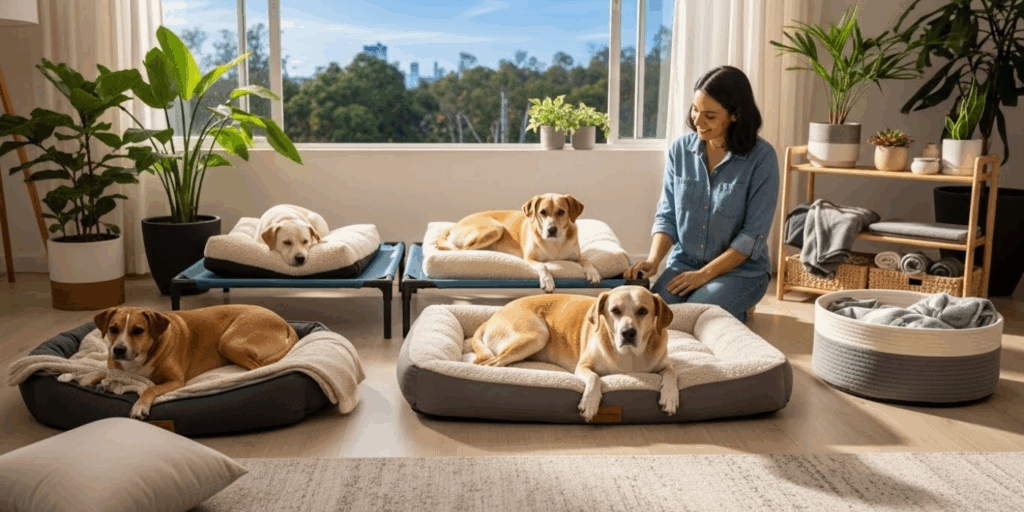
Have you ever watched your dog circle their bed three times before finally flopping down with a satisfied sigh? It’s not just adorable—it’s a sign they value their personal space. Whether your pup is a high-energy pup or a senior snoozer, the right dog bed can make a world of difference in their comfort, health, and overall happiness. Yet, with so many options flooding the market—donut beds, orthopedic mats, elevated cots, and more—it’s easy to feel overwhelmed.
This article will guide you through the most popular types of dog beds, explain what makes each one unique, and help you choose the best bed for your furry companion based on their breed, age, size, and lifestyle. We’ll also share practical tips on materials, maintenance, and how to spot quality versus gimmicks. By the end, you’ll feel confident selecting a bed that doesn’t just look cute in your living room—but actually supports your dog’s well-being for years to come.
Let’s dive in and find the perfect place for your pup to rest their paws.
Why Your Dog’s Bed Matters More Than You Think
At first glance, a dog bed might seem like a luxury—but it’s actually a necessity. Dogs spend up to 14 hours a day sleeping, and that number climbs even higher for puppies and seniors. Just like humans, dogs need proper support to maintain joint health, regulate body temperature, and reduce anxiety. A poorly chosen bed can lead to pressure sores, worsened arthritis, or even behavioral issues from discomfort.
Consider Bella, a 9-year-old Labrador with mild hip dysplasia. Her owners initially used an old pillow as a “bed” to save money. But after switching to an orthopedic memory foam bed, Bella started moving more easily in the mornings and seemed noticeably happier. It wasn’t magic—it was the right support.
A quality bed also helps contain shedding, reduces odors, and gives your dog a consistent, safe place to retreat. In multi-pet homes, it even establishes boundaries and reduces tension. So, while your dog might nap on your couch or sprawl on the kitchen floor, their dedicated bed is their sanctuary—and choosing the right one is an act of care.
1. Orthopedic Dog Beds: Support for Aging or Injured Dogs
If your dog is a senior, a large breed, or recovering from surgery, orthopedic dog beds are likely the best choice. These beds are designed with high-density memory foam or medical-grade support layers that evenly distribute weight and relieve pressure on joints.
Unlike standard foam beds that flatten over time, orthopedic beds retain their shape and cushioning for years. Many are also hypoallergenic and feature waterproof liners—ideal for dogs with incontinence issues or sensitive skin.
Best for:
- Dogs over 7 years old
- Breeds prone to hip or elbow dysplasia (e.g., German Shepherds, Golden Retrievers)
- Dogs with arthritis, IVDD, or post-surgery recovery needs
What to look for:
- CertiPUR-US® certified foam (free from toxic chemicals)
- Removable, machine-washable covers
- Bolstered edges for head and neck support
Brands like Big Barker and Kuranda offer vet-recommended orthopedic options backed by clinical studies. While they cost more upfront ($100–$200), they often outlast cheaper beds and can reduce long-term vet bills by preventing joint deterioration.
2. Donut/Cuddler Beds: Cozy Comfort for Small Breeds and Anxious Dogs

Round, fluffy, and often lined with faux fur, donut beds (also called cuddler beds) mimic the den-like comfort dogs instinctively seek. The raised rim provides a sense of security—perfect for anxious or nervous dogs—and doubles as a headrest for ultimate relaxation.
These beds are especially popular among small and toy breeds like Chihuahuas, Shih Tzus, and Pomeranians, who love to curl into a tight ball. But don’t let the size fool you—many brands now offer large donut beds for dogs up to 50 lbs.
Pros:
- Encourages natural sleeping positions
- Helps retain body heat in colder months
- Soft, plush material reduces stress
Things to consider:
- Not ideal for dogs who prefer stretching out
- Fabric can trap hair and odors (opt for machine-washable versions)
- May flatten quickly if filled with low-quality polyester
Look for models with reinforced stitching and odor-resistant fill, like the popular Furhaven Donut Bed or BarksBar Snuggly Dog Bed. Pair one with a calming pheromone spray, and you’ve got a cozy anxiety-reducing retreat.
3. Elevated (Cot-Style) Dog Beds: Cool, Durable, and Travel-Friendly
Think of elevated dog beds as the “camping cots” of the pet world. Raised off the ground on a metal or plastic frame, these beds allow air to circulate underneath, keeping dogs cool in summer and dry in damp conditions. They’re also chew-resistant, easy to clean, and lightweight—making them perfect for travel, crates, or outdoor use.
Originally designed for military and working dogs, elevated beds like the Kuranda Dog Bed or Coolaroo Pet Bed are now popular with everyday pet owners. Their no-stuffing design means no filling to destroy, and most can support dogs up to 100+ pounds.
Ideal for:
- Hot climates or summer months
- Dogs who chew or dig at traditional beds
- Active owners who hike, camp, or travel with their pets
Bonus tip: In winter, place an elevated bed on a rug or insulating mat to prevent heat loss through the mesh surface.
4. Nesting vs. Flat Beds: Matching Your Dog’s Sleeping Style
Not all dogs sleep the same way—and their preferred position should guide your choice. Nesting sleepers curl up tightly and thrive in enclosed, bolstered beds (like donut or cave-style). Stretchers, on the other hand, sprawl out on their sides or backs and need flat, spacious surfaces.
Observe your dog for a few nights:
- Do they tuck their nose under their tail? → Nesting bed
- Do they belly-flop or “starfish” across the floor? → Flat or mat-style bed
Flat beds are also great for multi-dog households, as they allow several dogs to pile in together. Look for waterproof options like the Bedsure Waterproof Dog Bed, which combines a soft top with a spill-proof base—ideal for puppies in training or messy eaters.
Pro insight: Some dogs change styles with age. A young Dachshund might love nesting, but as they develop back issues, they may prefer a flat orthopedic surface. Stay flexible and adjust as needed.
5. Specialized Beds for Unique Needs
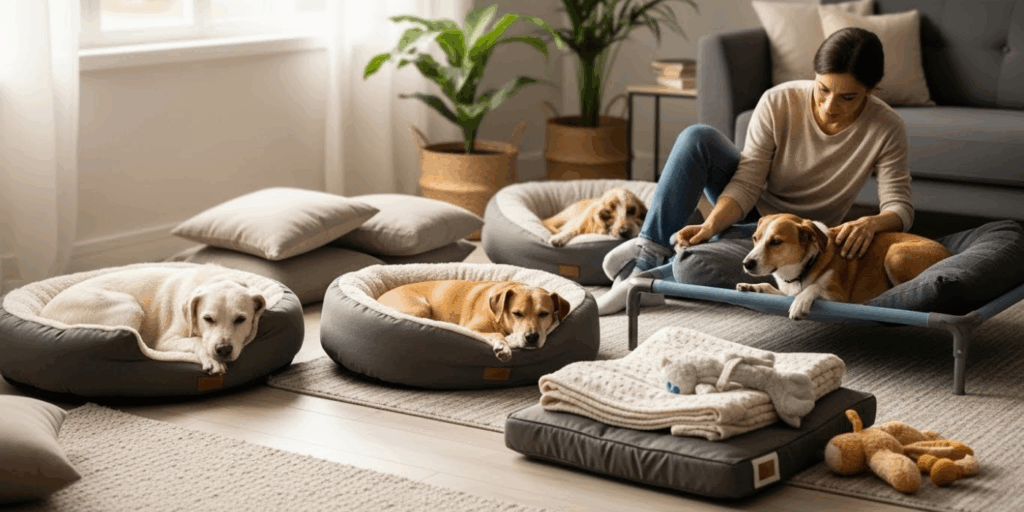
Beyond the basics, innovative designs address specific challenges:
- Heated beds: Perfect for senior dogs or those in cold climates (e.g., K&H Pet Products models with adjustable thermostats).
- Cooling beds: Use gel inserts or phase-change materials to draw heat away—great for Brachycephalic breeds like Bulldogs that overheat easily.
- Anxiety-relief beds: Weighted blankets or pressure-wrap designs (like ThunderShirt beds) can calm dogs during storms or fireworks.
- Waterproof/crate beds: Thin, durable mats that fit snugly in crates without taking up space.
Caution: Avoid beds with loose stuffing or small parts that could be ingested. Always supervise your dog with new bedding, especially if they’re a chewer.
How to Choose the Right Size and Material
Size matters more than you think. A bed that’s too small forces your dog into awkward positions, while one that’s too large may not feel secure. Measure your dog from nose to tail while stretched out, then add 6–12 inches for comfort.
Material tips:
- Cotton or canvas: Breathable and easy to clean
- Faux fur or sherpa: Ultra-cozy but traps more hair
- Denim or ballistic nylon: Durable for chewers or outdoor use
- Waterproof liners: Essential for puppies, seniors, or accident-prone dogs
Always prioritize:
✅ Machine-washable covers
✅ Non-skid bottoms
✅ Eco-friendly or non-toxic materials
Maintenance Tips to Extend Your Bed’s Life
Even the best bed won’t last if it’s neglected. Here’s how to keep it fresh and functional:
- Vacuum weekly to remove hair and dander
- Wash covers every 1–2 weeks (more often for outdoor dogs)
- Spot-clean foam cores with mild soap and air-dry thoroughly
- Rotate the bed monthly to prevent uneven wear
For chewers, consider placing the bed in a quiet corner away from high-traffic areas—boredom often fuels destructive behavior.
Conclusion: More Than Just a Place to Sleep
Choosing the right dog bed isn’t about matching your decor—it’s about honoring your dog’s physical and emotional needs. Whether it’s an orthopedic bed that eases Grandma’s arthritis, a cooling cot that keeps your Bulldog comfortable in summer, or a cozy donut that helps your rescue feel safe, the right choice enhances your dog’s quality of life.
Remember: the best bed is the one your dog actually uses. Watch their habits, listen to their cues, and don’t be afraid to try a few styles. After all, they’ve given you unconditional love—return the favor with a little comfort.
Now it’s your turn! What kind of bed does your dog love? Have you discovered a hidden gem brand or a clever hack for keeping beds clean? Share your story in the comments below—we’d love to hear how you’ve created the perfect nap spot for your best friend. And if this guide helped you, why not share it with another dog lover? Your pup might just thank you with an extra tail wag tonight. 🐾

Lucas Neto is a passionate animal enthusiast who has spent years learning, caring, and connecting with pets of all kinds. His fascination with animals began in childhood and grew into a lifelong dedication to understanding their behavior, needs, and unique personalities. Whether rescuing strays, supporting responsible pet care, or simply enjoying the everyday joy that animals bring, Lucas is committed to sharing his knowledge and love for pets with others.