Have you ever tried to brush your dog’s fur—only to end up in a wrestling match, with fur flying, your pup hiding under the couch, and you wondering, “Is this really worth it?” You’re not alone. Many dog owners dread grooming time because it feels more like a chore than a bonding moment. But what if brushing could actually be calm, even enjoyable—for both of you?
Brushing your dog doesn’t have to be a battle. In fact, when done right, it becomes a relaxing ritual that strengthens your bond, keeps your dog’s coat healthy, and even helps you spot health issues early. In this guide, we’ll walk you through everything you need to know to make brushing a stress-free, positive experience—no matter your dog’s breed, age, or temperament.
From choosing the right tools to reading your dog’s body language and building a routine, you’ll learn simple, actionable strategies that turn grooming from a dreaded task into a moment of connection. Let’s turn those tangles into tranquility—one gentle stroke at a time.
Why Brushing Matters More Than You Think
Brushing isn’t just about looks—it’s a vital part of your dog’s overall health. Regular brushing removes dirt, debris, and dead hair, preventing mats that can pull on the skin and even lead to infections. It also distributes natural oils throughout the coat, keeping it shiny and resilient.
But the benefits go beyond the surface. Brushing gives you a chance to check for lumps, ticks, dry patches, or hot spots—early signs of health problems that might otherwise go unnoticed. For senior dogs or breeds with thick undercoats (like Huskies or Golden Retrievers), skipping brushing can lead to painful matting and overheating.
Think of brushing as your dog’s daily wellness check-in. Just like humans benefit from a scalp massage or skincare routine, dogs thrive on consistent, gentle care. Plus, the repetitive motion can be soothing—almost meditative—for your pup, especially if introduced with patience.
Most importantly, brushing builds trust. When your dog learns that your hands mean comfort—not discomfort—they’ll relax more during vet visits, baths, and nail trims too. It’s a small habit with big ripple effects.
Choosing the Right Brush for Your Dog’s Coat
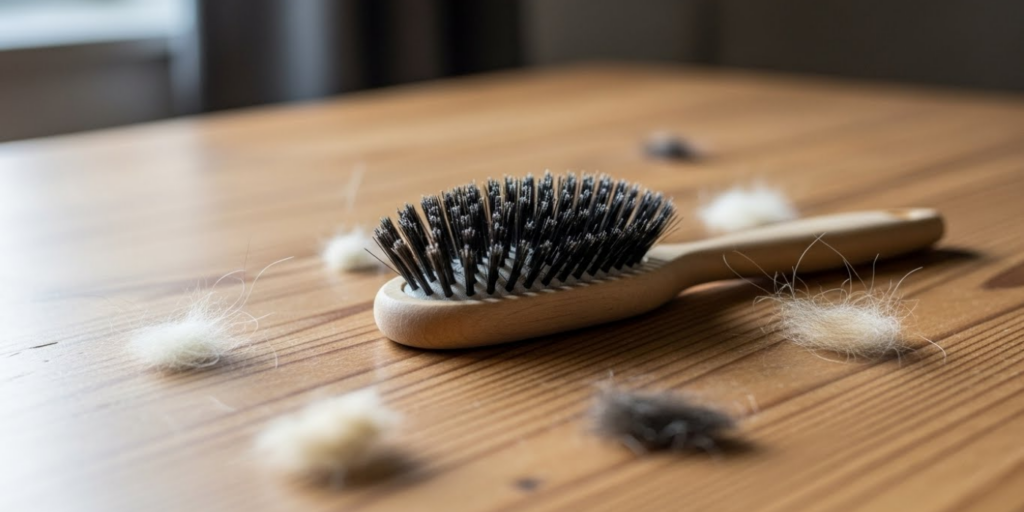
Not all brushes are created equal—and using the wrong one can make grooming frustrating or even painful for your dog. The key is matching the tool to your dog’s coat type:
- Short-haired dogs (like Beagles or Boxers): A soft bristle brush or grooming mitt works best. It removes loose hair without irritating the skin.
- Double-coated breeds (like German Shepherds or Labs): Use an undercoat rake or slicker brush to reach the dense underlayer without damaging the topcoat.
- Long-haired or curly-coated dogs (like Shih Tzus or Poodles): A slicker brush followed by a wide-tooth comb helps detangle without breakage.
- Hairless or sensitive-skin breeds (like Chinese Cresteds): Opt for ultra-soft brushes or damp cloths to avoid irritation.
Pro tip: Keep multiple brushes on hand. Many dogs benefit from a two-step process—starting with a slicker to loosen tangles, then finishing with a bristle brush for shine.
Also, inspect your brush regularly. Bent pins or worn bristles can scratch or pull. And never use human brushes—they’re not designed for canine coats and can cause micro-tears in the skin.
When in doubt, ask your groomer or vet for a recommendation. Investing in the right tool makes all the difference between a smooth session and a tug-of-war.
Reading Your Dog’s Body Language During Brushing
Your dog can’t say “That hurts!”—but their body tells you everything. Learning to read their signals is crucial for stress-free brushing.
Signs your dog is comfortable:
- Relaxed posture
- Soft eyes
- Tail in neutral or gently wagging
- Leaning into your touch
Signs of stress or discomfort:
- Lip licking or yawning (not from tiredness)
- Ears pinned back
- Whale eye (showing the whites of the eyes)
- Trying to move away, growling, or freezing
If you notice any red flags, stop immediately. Forcing brushing when your dog is anxious creates negative associations that are hard to undo. Instead, end on a positive note—offer a treat, play a game, and try again later with shorter sessions.
Start by brushing areas your dog loves—like the chest or shoulders—before moving to sensitive zones (tail base, belly, behind ears). Go slow, use light pressure, and always reward calm behavior. Over time, your dog will learn that brushing = good things.
Remember: this isn’t about getting the job done fast. It’s about building a sense of safety. Patience now prevents fear later.
Creating a Calm, Consistent Brushing Routine
Dogs thrive on routine. When brushing happens at the same time and place each day, it becomes predictable—and therefore less scary.
Best times to brush:
- After a walk (when your dog is tired and relaxed)
- Before a meal (so you can use food as a reward)
- During quiet evening hours (not during chaotic household moments)
Choose a quiet spot with good lighting—maybe a rubber mat in the kitchen or a non-slip bath mat on the floor. Avoid slippery surfaces; dogs feel insecure when their paws slide.
Keep sessions short at first: just 2–3 minutes for puppies or anxious dogs. Gradually increase as your dog’s comfort grows. Consistency beats duration—brushing gently for 5 minutes daily is far better than a 30-minute battle once a week.
Pair brushing with something positive:
- A favorite treat (use small, soft bits for quick rewards)
- Calm praise (“Good boy!” in a soothing voice)
- A lick mat nearby to keep them occupied
And never punish your dog for squirming. Instead, redirect and reward stillness. Over weeks, those micro-moments of calm add up to full cooperation.
Turning Brushing Into a Bonding Experience
Brushing doesn’t have to be clinical. In fact, it can be one of the most intimate ways you connect with your dog.
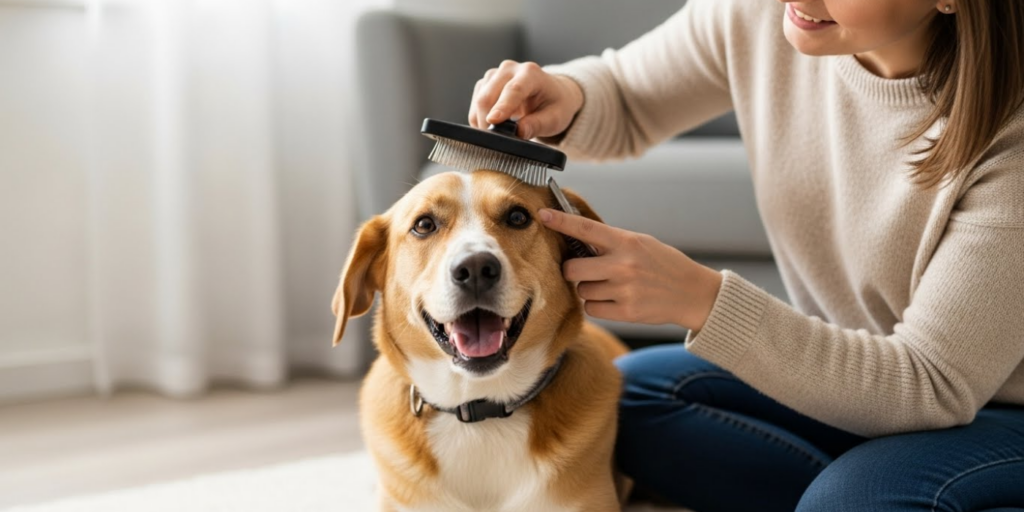
Imagine it like a spa session: soft lighting, gentle strokes, quiet music in the background. Speak in a calm, rhythmic tone. Breathe slowly—your dog picks up on your energy. If you’re tense, they’ll be tense too.
Use this time to really see your dog. Notice how their fur changes with the seasons. Feel for subtle shifts in muscle tone or skin texture. This mindful attention deepens your relationship far beyond basic care.
For rescue dogs or those with past trauma, brushing can be healing. Every gentle touch says, “You’re safe now.” Many owners report their previously fearful dogs begin to seek out brushing time—curling up at their feet with brush in mouth!
You can even make it playful: use a “brush dance” (gentle circular motions), or end with a mini massage. The goal is to shift the narrative from “I have to brush my dog” to “I get to spend quiet time with my best friend.”
Troubleshooting Common Brushing Challenges
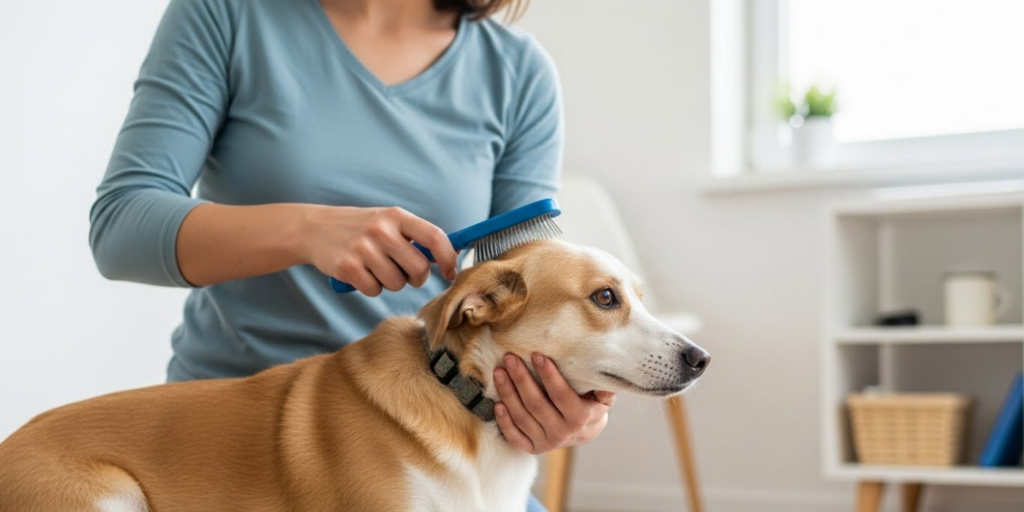
Even with the best tools and intentions, roadblocks happen. Here’s how to handle them:
Problem: My dog runs away when they see the brush.
→ Solution: Leave the brush out where your dog can sniff it. Drop treats near it. Gradually pair the brush with positive experiences—no touching required at first.
Problem: Mats are too tight to brush out.
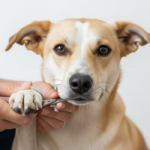
→ Never yank or pull. For severe mats, use blunt-tipped scissors to carefully cut them parallel to the skin—or visit a professional groomer. Prevention is key: brush before mats form.
Problem: My dog bites or growls.
→ This is fear, not aggression. Stop immediately. Consult a certified positive-reinforcement trainer to rebuild trust. Never force it.
Problem: Shedding is out of control!
→ Brush outdoors when possible. Use a deshedding tool 1–2 times a week during peak shedding seasons. Vacuum right after to contain the mess.
Remember: setbacks are normal. What matters is your response. Stay calm, go back a step, and rebuild slowly.
Final Thoughts: Patience, Love, and a Few Strokes a Day
Brushing your dog’s fur doesn’t have to be stressful. With the right tools, timing, and mindset, it becomes a quiet ritual of care that benefits your dog’s health—and your relationship.
You’ve learned why brushing matters beyond aesthetics, how to choose the perfect brush, read your dog’s signals, and build a gentle routine. Most importantly, you now see brushing not as a task, but as an opportunity: to connect, to comfort, and to care for your loyal companion in a deeply personal way.
So grab that brush, take a deep breath, and start small. One gentle stroke. One treat. One moment of trust. Over time, those moments add up to a lifetime of comfort—for both of you.
Your dog is counting on you. And honestly? They’ll thank you with every wag, nuzzle, and peaceful sigh during your next brushing session.
Now we’d love to hear from you!
What’s your biggest brushing challenge? Have you turned grooming into a bonding ritual? Share your tips or questions in the comments below—your experience might just help another dog parent find their calm! 🐾

Lucas Neto is a passionate animal enthusiast who has spent years learning, caring, and connecting with pets of all kinds. His fascination with animals began in childhood and grew into a lifelong dedication to understanding their behavior, needs, and unique personalities. Whether rescuing strays, supporting responsible pet care, or simply enjoying the everyday joy that animals bring, Lucas is committed to sharing his knowledge and love for pets with others.