Winter can be magical—snowflakes drifting down, cozy blankets, hot cocoa by the fire—but for our four-legged friends, those freezing temperatures can be more than just uncomfortable; they can be dangerous. While we bundle up in layers, scarves, and boots, it’s easy to forget that dogs, especially certain breeds or older pups, aren’t naturally equipped to handle the cold the same way we are. That’s where thoughtful, high-quality winter accessories come in—not just as cute fashion statements, but as essential tools to keep your dog safe, healthy, and happy during the coldest months of the year.
In this article, we’ll dive into the best winter accessories designed specifically to keep your dog warm, comfortable, and protected from the elements. From cozy sweaters and insulated coats to paw protection and heated beds, we’ll explore practical, vet-approved solutions that go beyond aesthetics. Whether you live in the snowy Northeast, the damp Pacific Northwest, or anywhere that sees a seasonal chill, these tips will help you tailor your dog’s winter care routine to their unique needs. Because when Fido is warm and safe, you can both enjoy winter walks, backyard playtime, and snuggles on the couch without worry.
Let’s keep your pup cozy all season long.
Why Winter Gear Matters for Dogs
Not all dogs are built for sub-zero temperatures. While a Siberian Husky might happily nap in a snowbank, a Chihuahua or Greyhound could start shivering after just a few minutes outside. This isn’t just about comfort—it’s about health. Dogs, especially small breeds, short-haired pups, seniors, or those with medical conditions, can develop hypothermia or frostbite just like humans. Their body temperature can drop rapidly in cold, wet, or windy conditions, leading to serious health complications.
According to the American Kennel Club (AKC), temperatures below 32°F (0°C) can be risky for many dogs, and below 20°F (-6°C), even cold-tolerant breeds may need extra protection. Wet snow or rain makes matters worse by chilling your dog to the bone—even if the air temperature isn’t extremely low.
Winter accessories aren’t a luxury; they’re a necessity for responsible pet ownership. A well-fitted coat can trap body heat, while booties shield sensitive paws from ice, salt, and chemicals used on sidewalks. These items also reduce the risk of your dog licking toxic de-icers off their paws—a common but dangerous winter habit.
Think of winter gear as part of your dog’s seasonal wellness plan, just like flea prevention in summer or joint supplements for older dogs. It’s proactive care that shows your love in action—keeping them warm, dry, and safe so they can thrive all winter long.
Cozy and Functional Dog Coats
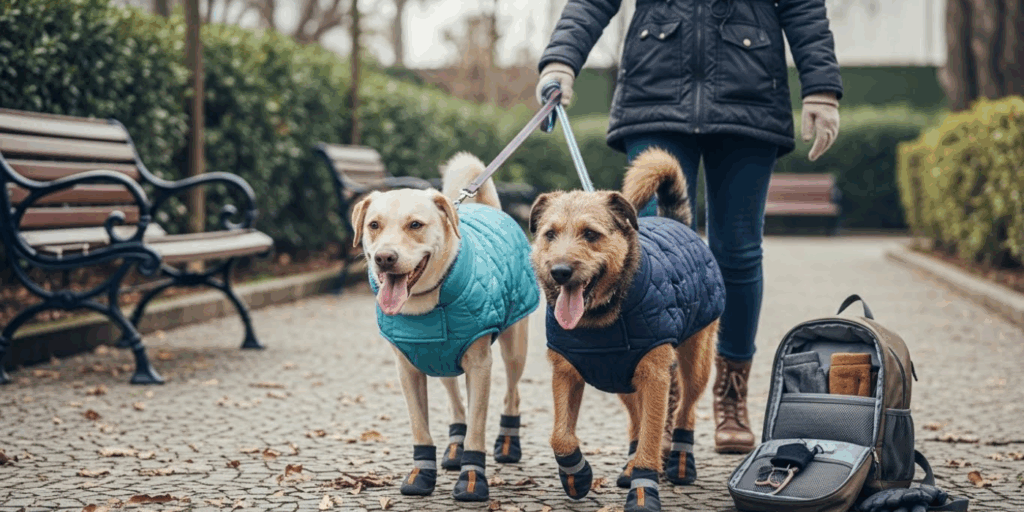
When it comes to winter dog coats, not all options are created equal. A stylish hoodie might look cute in photos, but it won’t cut it during a blizzard or a long walk in freezing rain. The best winter coats for dogs combine insulation, weather resistance, and comfort—all while allowing your pup to move freely.
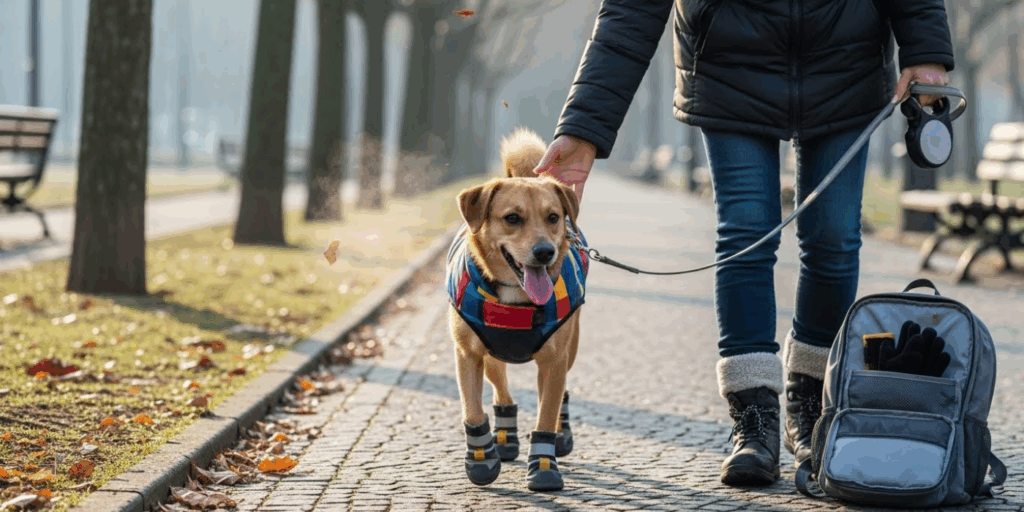
Look for water-resistant or waterproof outer layers that repel snow and slush. Inside, fleece or thermal linings help retain body heat without adding bulk. Features like adjustable Velcro straps, elastic leg openings, and high collars ensure a snug (but not tight) fit that won’t rub or restrict movement. Bonus points for reflective trim, which boosts visibility during those dark winter mornings and evenings.
Breed and size matter, too. Small dogs like Dachshunds or Italian Greyhounds lose body heat quickly and benefit from full-coverage coats that extend to the belly. Larger breeds may only need a shorter jacket unless they’re short-coated (like a Boxer) or live in extremely cold climates.
And don’t forget about fit: a coat that’s too loose won’t retain warmth, while one that’s too tight can cause chafing or stress. Measure your dog’s neck, chest, and back length before buying, and consult size charts—many brands offer breed-specific sizing guides.
A high-quality coat isn’t just practical—it’s peace of mind. You’ll both enjoy longer walks, fewer shivers, and more tail wags, even when the thermometer dips below freezing.
Protecting Paws with Winter Booties
Your dog’s paws are tough, but they’re not invincible. Winter sidewalks and roads are often treated with rock salt, calcium chloride, or other de-icing chemicals that can irritate paw pads, cause cracking, or even lead to chemical burns. Ice balls can form between toes, pulling on fur and causing discomfort. And freezing pavement? It’s cold enough to cause frostbite in minutes.
That’s where dog booties come in—a game-changer for winter paw protection. Modern booties are lightweight, flexible, and designed with non-slip soles for traction on ice. Look for models with waterproof materials, secure closures (like Velcro or elastic bands), and breathable linings to prevent sweating and odor.
Introducing booties takes patience. Many dogs resist them at first, thinking their paws feel “stuck” or unnatural. Start by letting your dog wear them indoors for short periods, pairing the experience with treats and praise. Gradually increase wear time until they associate booties with positive outcomes—like going on a walk!
If your dog absolutely refuses booties, pet-safe paw balms can offer a layer of protection. Apply before walks to create a barrier against salt and ice, and wipe paws clean afterward to remove any residue.
Healthy paws mean more outdoor time, less licking, and fewer vet visits. Plus, you’ll avoid tracking melted snow and salt into your home—win-win!
Indoor Comfort: Heated Beds and Warm Sleeping Spots
Winter chill doesn’t vanish just because you’re indoors. Drafty floors, cool tile, or a bed tucked near a window can leave your dog feeling cold—especially older dogs or those with arthritis, who often feel joint stiffness more acutely in cold weather.
That’s why heated dog beds deserve a spot on your winter shopping list. Unlike human heating pads (which can overheat or lack safety features), thermostatically controlled pet beds warm to your dog’s body temperature and automatically shut off if they get too hot. Many are chew-resistant, machine-washable, and low-voltage for safety.
For dogs who prefer nesting, microwavable warming pads or self-warming beds (which use your dog’s own body heat via reflective materials) are excellent alternatives. Just tuck one into their favorite blanket or crate for instant coziness.
Placement matters, too. Move your dog’s bed away from cold floors—use a raised cot or place a thick rug underneath. Keep it in a warm, draft-free corner of the house, not near exterior doors or vents.
A warm sleeping spot isn’t just about comfort; it supports better sleep, reduces joint pain, and helps your dog conserve energy. After all, winter is the season for naps—and your pup deserves the coziest one possible.
Additional Winter Essentials: Sweaters, Hoods, and More
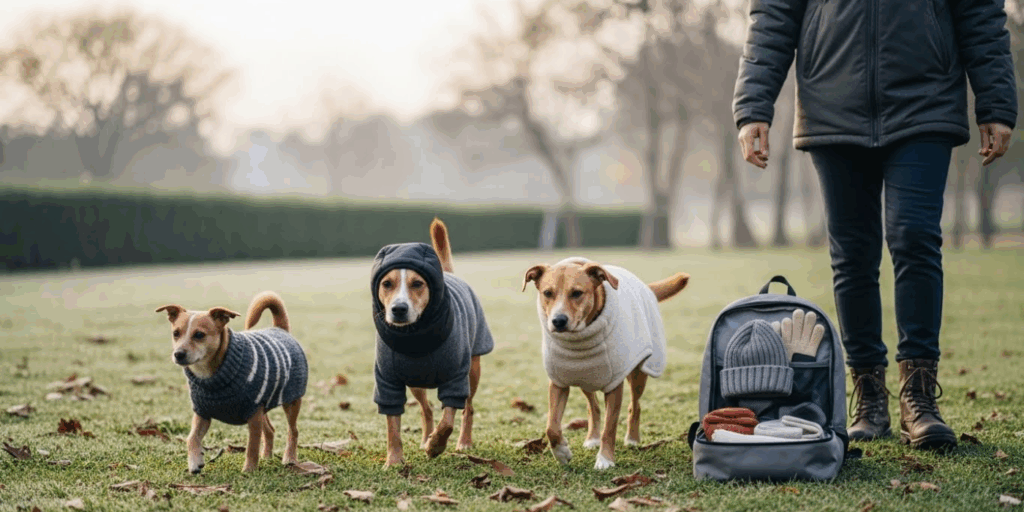
Beyond coats and booties, a few extra accessories can make a big difference in your dog’s winter comfort. Fleece sweaters, for example, are perfect for indoor warmth or mild outdoor days. They’re lightweight, soft, and great for senior dogs or thin-coated breeds lounging by the radiator.
For dogs with short snouts (like Pugs or Bulldogs) or thin ears (like Whippets), thermal hoods or ear warmers can prevent frostnip—a mild form of frostbite that affects exposed skin. These are especially useful during early morning potty breaks or quick errands.
Don’t overlook quick-dry towels and drying robes. Wet fur loses insulating power fast, so drying your dog thoroughly after a snowy walk is crucial. Microfiber drying robes absorb moisture quickly and keep your dog warm while they air-dry—no more shaking water all over your kitchen!
And for nighttime safety, consider a collar with LED lights or a light-up leash. Shorter daylight hours mean more walks in the dark, and visibility is key for both your safety and your dog’s.
These smaller items might seem optional, but together, they create a full-circle winter care system—keeping your dog warm from nose to tail, indoors and out.
Choosing the Right Gear for Your Dog’s Unique Needs
One size does not fit all when it comes to winter dog accessories. A Great Pyrenees who spends hours guarding the yard in Montana needs very different gear than a Pomeranian apartment-dweller in Chicago. That’s why it’s essential to consider your dog’s breed, age, health, coat type, and lifestyle before buying.
Short-haired or hairless breeds (like Dalmatians, Boxers, or Xoloitzcuintlis) almost always need coats below 50°F. Puppies and seniors have less efficient temperature regulation, so they chill faster. Dogs with medical conditions—like heart disease, diabetes, or hypothyroidism—may struggle even more in the cold.
Also think about your local climate. Wet cold (common in the Pacific Northwest) feels colder than dry cold and requires waterproof gear. Windy areas demand windproof layers. Urban dogs face more chemical exposure on sidewalks, making booties extra important.
When in doubt, watch your dog’s behavior. Shivering, lifting paws, tucking their tail, or reluctance to go outside are clear signs they’re too cold. On the flip side, overheating under layers is possible—panting, restlessness, or trying to remove their coat means it’s time to reassess.
Tailoring gear to your dog’s needs isn’t just thoughtful—it’s what transforms generic products into true winter wellness tools.
Final Thoughts: Warmth Is an Act of Love
Keeping your dog warm in winter isn’t about over-accessorizing or following trends—it’s about honoring their vulnerability and responding with care. Every coat, bootie, and heated bed is a quiet promise: I see you. I protect you. You matter.
Winter can be harsh, but it doesn’t have to be hard on your dog. With the right accessories, you’re not just shielding them from the cold—you’re giving them the freedom to explore, play, and rest without fear. You’re ensuring their golden years are comfortable, their small frame stays safe, and their daily routine remains joyful, no matter the weather.
So this season, take a moment to check your dog’s winter readiness. Is their coat still effective? Are their paws protected? Is their bed cozy enough? These small acts of attention add up to a life of warmth, health, and trust.
Now it’s your turn! What winter accessories does your dog love? Have you found a bootie brand that actually stays on? Share your tips, stories, or questions in the comments below—we’d love to hear how you keep your pup cozy. And if this guide helped you, why not share it with a fellow dog lover? Together, we can make winter a little warmer for every dog.

Lucas Neto is a passionate animal enthusiast who has spent years learning, caring, and connecting with pets of all kinds. His fascination with animals began in childhood and grew into a lifelong dedication to understanding their behavior, needs, and unique personalities. Whether rescuing strays, supporting responsible pet care, or simply enjoying the everyday joy that animals bring, Lucas is committed to sharing his knowledge and love for pets with others.