Introduction
If you’ve ever come home to an empty apartment and wished for a wagging tail to greet you, you’re not alone. For millions of people navigating life solo—whether by choice or circumstance—a dog isn’t just a pet; they’re a loyal companion, a source of emotional support, and often, a reason to get out of bed in the morning. In a world that can sometimes feel isolating, the bond between a person and their dog offers something truly special: unconditional love and constant companionship.
Choosing the right dog breed when you live alone isn’t just about picking the cutest face at the shelter. It’s about finding a match that complements your lifestyle, energy level, and emotional needs. Some dogs thrive on adventure and need hours of daily exercise, while others are content curled up on the couch with a good view of the window. Some are natural watchdogs, offering both security and peace of mind. Others simply melt away your stress with a nuzzle or a goofy expression.
In this article, we’ll explore the best dog breeds for people who live alone, focusing on temperament, adaptability, and emotional connection. We’ll break down what qualities to look for, highlight specific breeds that excel in solo living arrangements, and offer practical tips for making your shared life as rewarding as possible. Whether you’re in a cozy studio apartment or a suburban house with a yard, there’s a perfect canine companion waiting for you.
Why Temperament Matters More Than Looks
When you live alone, your dog becomes your primary daily social interaction—more than your barista, coworker, or even your favorite podcast host. That’s why temperament should always trump aesthetics when choosing a breed.
A dog with a calm, affectionate, and adaptable personality will integrate into your life far more smoothly than a high-strain, anxious, or overly independent breed—even if the latter happens to look exactly like your Instagram dream dog. Dogs that are attentive, emotionally intuitive, and easy to train tend to form stronger bonds with single owners, offering both companionship and a sense of routine.
Take Cavalier King Charles Spaniels, for example. Known for their gentle, people-oriented nature, they love nothing more than cuddling on the sofa after a long day. They’re not prone to excessive barking, separation anxiety (in moderation), or destructive behavior—making them ideal for solo dwellers who work standard hours.
In contrast, a high-energy herding dog like a Border Collie might become frustrated and develop behavioral issues if left alone for long stretches without mental and physical stimulation. While brilliant and loyal, they often need more engagement than one person can reasonably provide unless you’re an ultra-active outdoors type.
Key takeaway: Prioritize breeds known for emotional sensitivity, moderate energy, and eagerness to please. These traits foster a balanced, mutually supportive relationship—especially when your dog is your main roommate.
Size Isn’t Everything: Small, Medium, and Large Breeds That Shine Solo
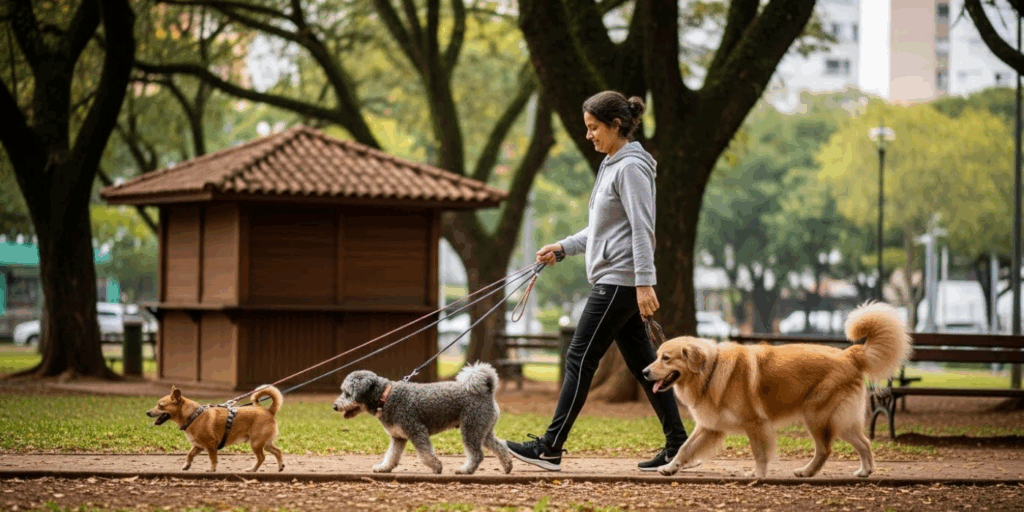
One common misconception is that small dogs are automatically better for people who live alone—especially in apartments. While it’s true that tiny breeds often require less space, size doesn’t dictate suitability for solo living. What matters more is the dog’s energy output, noise level, and emotional needs.
Small breeds like the French Bulldog or Pug are excellent choices for city dwellers. They’re low-maintenance in terms of exercise, generally quiet, and form deep attachments to their humans. Their compact size makes them easy to manage, and they rarely need more than a couple of short walks a day.
But don’t rule out medium and large breeds. The Greyhound, for instance, is often called a “45-mile-per-hour couch potato.” Despite their racing reputation, they’re incredibly mellow indoors and thrive on quiet companionship. Similarly, the Newfoundland, though massive, is famously gentle and calm—earning the nickname “nanny dog” for its patient demeanor.
On the flip side, some small breeds like Jack Russell Terriers or Miniature Pinschers pack intense energy into tiny frames. Without proper outlets, they can become yappy or destructive—hardly the peaceful companion you’re seeking.
Pro tip: Visit local shelters or breed-specific rescues. Mixed-breed dogs often inherit the best traits of multiple lineages and can be surprisingly well-suited to solo living. Personality testing during adoption can help identify calm, adaptable dogs regardless of size.
Dealing with Alone Time: Breeds That Handle Separation Gracefully
Let’s be honest: even if you live alone, you still need to leave the house—to work, run errands, or meet friends. So, choosing a dog that can tolerate alone time without panicking is crucial.
Separation anxiety is one of the leading causes of behavioral issues in dogs living with single owners. Breeds that are independent yet affectionate, and not overly clingy, tend to do better when left alone for reasonable stretches (4–6 hours).
The Basset Hound is a great example. Though friendly and loving, they’re also famously laid-back and content to snooze while you’re out. Their low exercise needs and relaxed demeanor make them perfect for a quieter lifestyle.
Similarly, Shiba Inus, while not cuddly in the traditional sense, are remarkably self-sufficient. They bond deeply with their owner but don’t require constant attention. That said, they need early socialization and consistent training—so they’re better for experienced solo owners.
In contrast, breeds like Vizslas or Australian Shepherds form such intense bonds that they may struggle emotionally when left alone. They’re not bad dogs—but they’re not ideal for someone who spends most weekdays at an office.
Practical advice:
- Crate train your dog early. Many dogs find crates comforting, like a den.
- Leave background noise (a TV or calming music) to reduce silence-induced stress.
- Consider dog walkers or doggy daycare if you’ll be gone more than 6 hours regularly.
Remember: no dog should be left alone for 8+ hours daily without support. If your schedule is extremely demanding, you might want to reconsider dog ownership—or plan for help.
Safety, Security, and Emotional Well-Being
For many people living alone—especially women or seniors—safety is a real concern. A dog can offer both physical protection and psychological comfort. Even the sound of a dog’s bark can deter intruders, and the simple presence of a pet can ease nighttime anxiety.
But you don’t need a guard dog to feel secure. Breeds like the Poodle (Standard or Miniature) are intelligent, alert, and naturally protective without being aggressive. They’ll let you know if someone’s at the door, but they’re also deeply affectionate and low-shedding—ideal for allergy sufferers.
The Akita is another powerful option: loyal, dignified, and naturally watchful. However, Akitas require experienced handling and early socialization, so they’re better suited for confident, assertive owners.
Beyond physical safety, dogs significantly boost mental health. Studies show that petting a dog lowers cortisol (the stress hormone) and increases oxytocin (the “bonding” hormone). For those battling loneliness or depression, a daily walk with a dog creates structure, encourages social interaction, and provides purpose.
Imagine this: On days when motivation is low, your dog still needs a walk. That simple responsibility can pull you out of a funk and reconnect you with the world—even if it’s just a stroll around the block.
Real-life benefit: Many solo owners report that getting a dog helped them form new friendships—through dog parks, training classes, or neighborhood encounters. Your dog becomes a social bridge, not just a companion.
Low-Maintenance Breeds for Busy or First-Time Owners
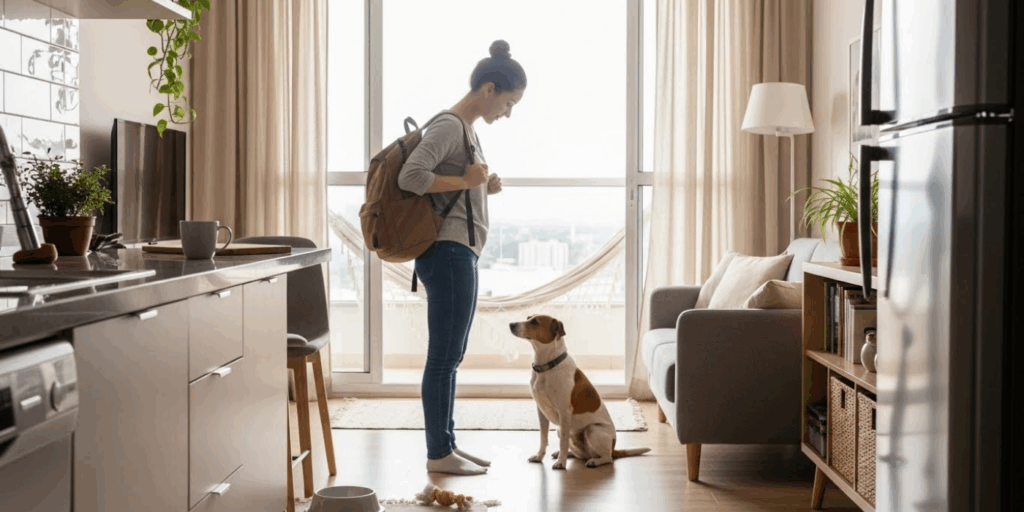
If you’re new to dog ownership or juggle a demanding career, low-maintenance doesn’t mean low-love. Some breeds are naturally easygoing, require minimal grooming, and adapt quickly to routines.
Enter the Shih Tzu. With their cheerful disposition and love of human company, they’re perfect apartment companions. They don’t need vigorous exercise—just short walks and indoor play. Their grooming needs are higher, but many owners opt for a “puppy cut” to keep upkeep simple.
The Bichon Frise is another joyful, hypoallergenic option. They’re playful but not hyper, and their clownish antics can brighten even the gloomiest day. Like Shih Tzus, they do require regular grooming—but their affectionate nature makes the effort worthwhile.
For those who prefer a short-coated, wash-and-go dog, consider the Boston Terrier. Nicknamed “American Gentlemen” for their tuxedo markings and polite demeanor, they’re smart, quiet, and thrive on human interaction without being needy.
Tips for busy solo owners:
- Use puzzle toys or treat-dispensing gadgets to keep your dog mentally stimulated while you’re away.
- Automate feeding with smart dispensers if your schedule is irregular.
- Choose a breed with moderate exercise needs—you’ll be more likely to stick with walks long-term.
Remember: even “low-maintenance” dogs need daily attention, vet care, and emotional connection. But with the right match, care becomes a joy, not a chore.
Adopting vs. Buying: Ethical Choices for the Solo Owner
While this article highlights specific breeds, it’s important to emphasize that breed is just one factor. Many shelter dogs—mixed or purebred—make phenomenal companions for people living alone.
Animal shelters are filled with adult dogs whose personalities are already formed. You’ll know if they’re calm, house-trained, good with quiet environments, and comfortable being alone for short periods. This predictability can be a huge advantage over raising a high-energy puppy.
If you’re set on a specific breed, look for breed-specific rescues. Organizations dedicated to, say, Greyhounds or Poodles often have dogs surrendered due to life changes (not behavior issues). These dogs are usually vetted, vaccinated, and ready to bond.
That said, if you choose a breeder, ensure they’re reputable and ethical—not a puppy mill. Ask about health testing, meet the parents if possible, and avoid anyone who won’t let you see where the puppies are raised.
Why this matters: When you live alone, your dog’s well-being rests entirely on you. Choosing a healthy, emotionally stable dog from a responsible source sets the foundation for a joyful, long-term relationship.
Conclusion
Living alone doesn’t mean living lonely—and for many, a dog is the perfect antidote to solitude. The right breed can bring structure, joy, security, and unwavering loyalty to your daily life. Whether you’re drawn to the gentle eyes of a Cavalier King Charles Spaniel, the quiet dignity of a Greyhound, or the cheerful resilience of a rescue mutt, there’s a canine companion out there who’ll fit seamlessly into your world.
We’ve explored why temperament trumps size, how to handle alone time responsibly, and which breeds offer both emotional warmth and practical ease. Most importantly, we’ve emphasized that the best dog for you is the one whose needs align with your lifestyle—not the one with the most Instagram likes.
If you’re considering bringing a dog into your solo life, take your time. Visit shelters, talk to trainers, and reflect honestly on your schedule and energy. A dog is a 10–15 year commitment, but the love you’ll receive in return is immeasurable.
So, what kind of companion are you looking for? A quiet cuddler? A cheerful walking buddy? A gentle guardian? Your perfect match is waiting.
We’d love to hear from you! Which breed resonates most with your lifestyle? Have you adopted a dog as a solo dweller? Share your story in the comments below—your experience could inspire someone else to take the leap into joyful, wagging-tail companionship.

Lucas Neto is a passionate animal enthusiast who has spent years learning, caring, and connecting with pets of all kinds. His fascination with animals began in childhood and grew into a lifelong dedication to understanding their behavior, needs, and unique personalities. Whether rescuing strays, supporting responsible pet care, or simply enjoying the everyday joy that animals bring, Lucas is committed to sharing his knowledge and love for pets with others.