Introduction
There’s nothing quite like the joyful chaos of bath time with your dog—suds flying, tail wagging, and maybe a little splashback in your face. While it might seem easier to outsource this task to a groomer, bathing your dog at home can be a rewarding, cost-effective, and bonding experience—for both of you! Not only does it give you full control over the products and techniques used, but it also helps your pup feel more comfortable with routine care.
In this comprehensive guide, we’ll walk you through everything you need to know to bathe your dog safely and effectively in the comfort of your own home. From choosing the right shampoo to managing anxiety and drying without drama, we’ll cover practical tips, common mistakes to avoid, and expert-backed strategies that make the process smoother for everyone involved. Whether you’re new to pet parenting or just looking to refine your technique, this article will equip you with the knowledge and confidence to turn bath time from a battle into a breeze.
Let’s dive in—paws first.
Why Bathing Your Dog at Home Matters
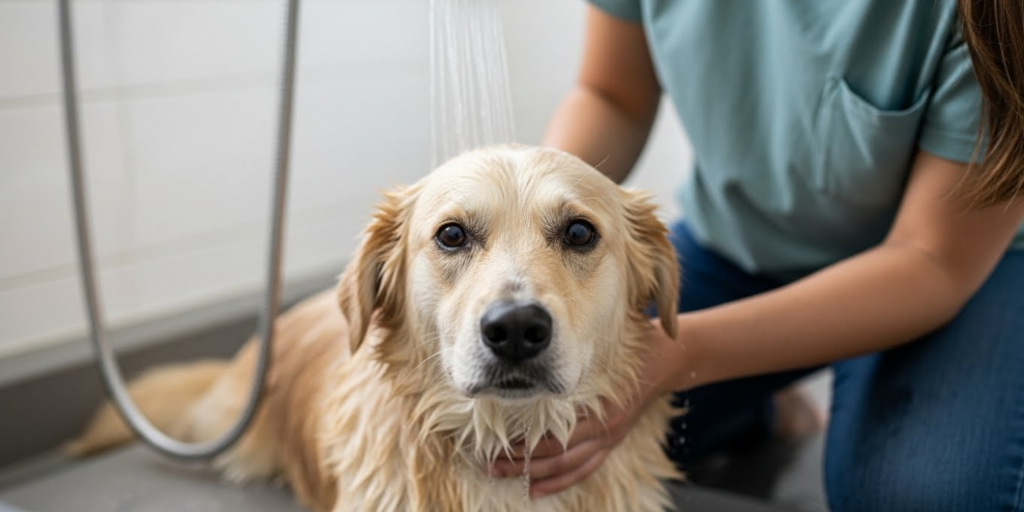
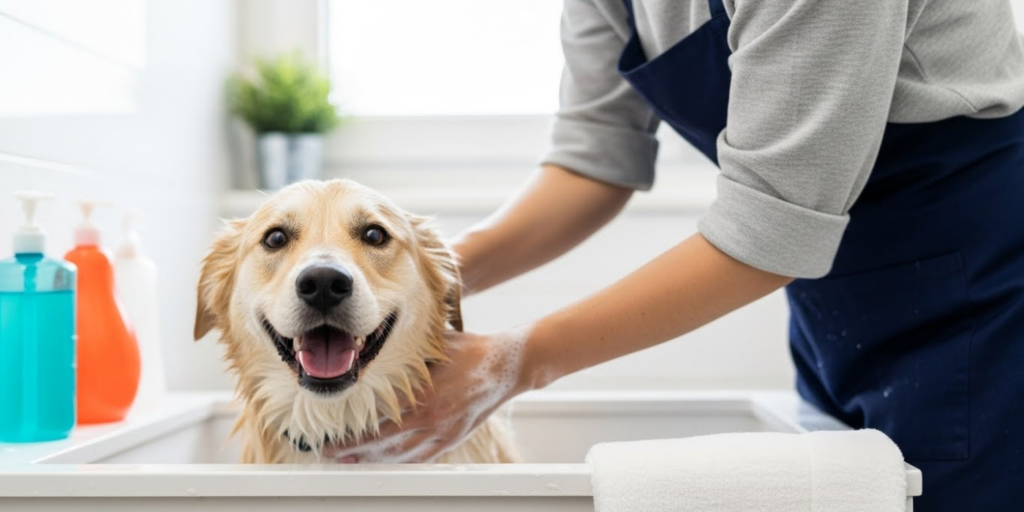
Bathing your dog isn’t just about keeping them smelling fresh (though that’s certainly a bonus!). Regular baths play a crucial role in your dog’s overall health, from supporting skin integrity to preventing parasite infestations and identifying early signs of illness or irritation.
When you bathe your dog at home, you gain intimate insight into their physical condition. During a bath, you might notice a new lump, a patch of dry skin, or signs of ear mites—all things that could go overlooked during routine play or walks. Plus, grooming at home builds trust. Dogs who are accustomed to being handled are generally calmer during vet visits and nail trims.
Another benefit? Cost savings. Professional grooming can easily run $50–$100 per session, depending on your dog’s size and coat type. Doing it yourself just a few times a year can save hundreds of dollars—money you can reinvest in quality toys, healthy treats, or even doggy insurance.
That said, “at home” doesn’t mean “winging it.” Using human shampoo, skipping ear protection, or bathing too frequently can do more harm than good. The key is knowing how to do it right—which brings us to your essential prep list.
Essential Supplies You’ll Need Before You Begin
Gathering the right tools beforehand transforms bath time from chaotic to calm. Here’s a checklist of must-have items:
- Dog-specific shampoo: Never use human or dish soap—they disrupt your dog’s natural pH balance and can cause dryness or irritation. Look for formulas labeled for your dog’s specific needs (e.g., hypoallergenic, oatmeal-based, or flea & tick).
- Non-slip mat: Whether you’re using a bathtub, sink, or outdoor tub, a grippy surface prevents slips and reduces anxiety.
- Towels: Have at least two absorbent, clean towels ready. Microfiber works best for drying without frizzing the coat.
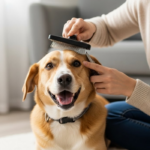
- Brush or comb: Brush your dog before the bath to remove tangles and loose fur—wet knots only get worse.
- Cup or handheld sprayer: A gentle stream of water is less startling than a full showerhead blast.
- Cotton balls: Place these gently in your dog’s ears to prevent water from entering (never insert deeply).
- Treats: Positive reinforcement makes all the difference. Keep high-value treats nearby to reward calm behavior.
Optional but helpful: a grooming table, tearless face shampoo, and a blow dryer on a cool setting (for long-haired breeds).
Having everything within arm’s reach prevents you from leaving your dog unattended mid-bath—a safety no-no. Plus, your confidence will reassure your pup that everything’s under control.
Step-by-Step Bathing Process: From Prep to Dry
Now that you’re stocked up, it’s time to bathe! Follow these steps for a stress-free session:
1. Brush First
Remove mats and loose fur while your dog is dry. This prevents clogs in your drain and makes lathering more effective.
2. Regulate the Water
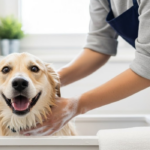
Use lukewarm water—not hot or cold. Test it on your wrist like you would for a baby. Start by wetting your dog’s back and sides, avoiding the face initially.
3. Protect the Ears
Gently place cotton balls just inside the ear flaps (not the ear canal). This blocks water without causing discomfort.
4. Apply Shampoo
Lather from neck to tail, using gentle circular motions. Avoid eyes, ears, and mouth. If your dog has a sensitive face, use a damp cloth with tearless shampoo instead.
5. Rinse Thoroughly
Leftover shampoo residue is a leading cause of itchy skin. Rinse until the water runs completely clear—this may take longer than you think!
6. Condition (If Needed)
For dogs with long or curly coats, a dog-safe conditioner can prevent tangles and add shine. Follow the same rinse rule: no residue!
7. Towel Dry
Wrap your dog in a towel and gently squeeze out excess water. Avoid vigorous rubbing, especially on curly or wiry coats.
8. Final Drying
For short-haired dogs, air drying is usually fine. For others, use a blow dryer on the lowest, coolest setting while brushing gently to prevent matting.
Pro Tip: Keep bath sessions under 20 minutes to avoid over-stressing your dog. Short, positive experiences build long-term cooperation.
Common Mistakes to Avoid
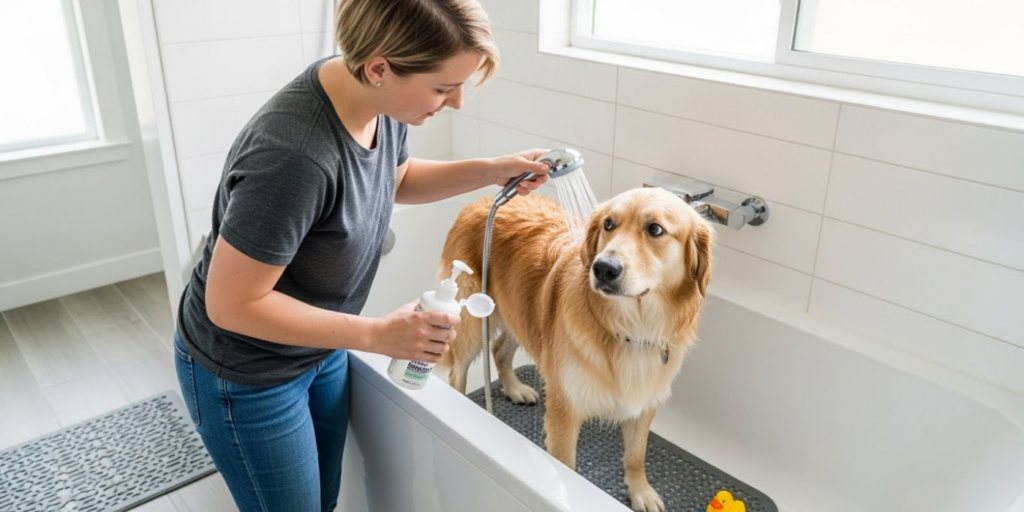
Even well-meaning pet owners can make bath-time blunders. Here are the top pitfalls—and how to sidestep them:
- Bathing too often: Most dogs only need a bath every 4–8 weeks. Over-bathing strips natural oils, leading to dry, flaky skin.
- Using human products: As mentioned, these can cause irritation or allergic reactions. Always choose dog-formulated shampoos.
- Skipping the pre-bath brush: Wet tangles become impossible knots. A quick brush saves time and discomfort later.
- Ignoring the face and paws: These areas collect dirt, allergens, and bacteria. Wipe paws after walks and clean the face gently during baths.
- Rushing the rinse: Incomplete rinsing = itchy dog = sleepless nights for you. Take your time.
- Punishing fear: If your dog trembles or resists, don’t scold. Instead, use treats, calm talk, and shorter sessions to build positive associations.
Remember: your dog isn’t being “difficult”—they’re responding to an unfamiliar or overwhelming situation. Patience and consistency turn anxiety into acceptance.
Making Bath Time Fun (Yes, Really!)
Believe it or not, many dogs learn to enjoy bath time—especially when it’s paired with rewards and play. Here’s how to shift the vibe from stressful to special:
- Start young: Puppies adapt more easily. Introduce bath elements (like water sounds and towels) during calm moments, not just bath day.
- Use verbal praise: Cheerful, soothing words (“Good job! You’re doing great!”) reassure your dog.
- Incorporate toys: A waterproof chew toy or floating ball can distract nervous pups.
- Keep sessions upbeat: End on a high note—never scold or force. If things go sideways, pause and try again later.
- Follow with a treat or walk: Pair bath time with a favorite activity so your dog sees it as the start of something good.
Think of it like a spa day: soft lighting, gentle handling, and a post-bath massage with a towel. Your calm energy sets the tone—dogs pick up on your stress or ease.
One reader shared that her rescue, once terrified of water, now trots to the tub when she hears the shampoo bottle open. It took six weeks of 5-minute positive sessions, but the trust earned was priceless.
Special Considerations for Puppies, Seniors, and Dogs with Skin Conditions
Not all dogs bathe the same way. Tailor your approach based on your pet’s age, health, and coat type:
- Puppies: Use ultra-gentle, tearless shampoo. Keep baths brief and warm. Never submerge a puppy under 8 weeks old—use a damp cloth instead.
- Senior dogs: Arthritic joints make standing painful. Use a low tub or non-slip mat, and support their belly if needed. Opt for hypoallergenic formulas to avoid skin irritation.
- Dogs with allergies or dermatitis: Consult your vet before choosing shampoo. Medicated formulas (like those with chlorhexidine or ketoconazole) may be necessary—but never use them without professional guidance.
- Double-coated breeds (e.g., Huskies, Golden Retrievers): Avoid shaving or over-washing. Their undercoat insulates and protects. Use deshedding tools pre-bath and conditioners post-bath to maintain coat health.
When in doubt, ask your veterinarian or a professional groomer for breed-specific advice. A little customization goes a long way in comfort and results.
Conclusion: Clean Dog, Happy Home
Bathing your dog at home isn’t just about cleanliness—it’s an act of care that strengthens your bond, supports your pet’s health, and saves you money over time. By using the right products, following a gentle routine, and prioritizing your dog’s emotional comfort, you turn a chore into a meaningful ritual.
We’ve covered the essentials: why home baths matter, what supplies to gather, how to bathe step-by-step, common mistakes to avoid, and ways to make the experience enjoyable for even the most water-wary pups. Remember, consistency and kindness are your greatest tools. Every dog learns at their own pace, and your patience speaks louder than any command.
So next time bath time rolls around, take a deep breath, gather your supplies, and approach it with confidence and compassion. Your dog might just surprise you by jumping in willingly—or at least tolerating it with a wag instead of a whimper.
Now we’d love to hear from you! What’s your dog’s reaction to bath time—reluctant bather or splash-happy swimmer? Share your tips, funny stories, or questions in the comments below. And if you found this guide helpful, don’t forget to share it with a fellow dog lover!

Lucas Neto is a passionate animal enthusiast who has spent years learning, caring, and connecting with pets of all kinds. His fascination with animals began in childhood and grew into a lifelong dedication to understanding their behavior, needs, and unique personalities. Whether rescuing strays, supporting responsible pet care, or simply enjoying the everyday joy that animals bring, Lucas is committed to sharing his knowledge and love for pets with others.