Summer is here—and while you’re slathering on sunscreen and reaching for a cold drink, your furry best friend might be struggling to stay cool. Unlike humans, dogs don’t sweat efficiently, making them especially vulnerable to overheating. In fact, heatstroke in dogs can develop in as little as 30 minutes on a hot day, even if they’re just lounging in the backyard. That’s why keeping your pup comfortable isn’t just about comfort—it’s a matter of safety.
In this article, we’ll explore a variety of cooling products designed specifically for dogs, from simple DIY hacks to innovative tech-driven solutions. You’ll learn how to recognize signs of heat stress, why traditional methods might fall short, and which modern tools actually work. Whether you live in Arizona or just experienced an unexpected heatwave in Maine, you’ll find practical, vet-approved ways to keep your dog safe, happy, and cool all summer long. Let’s dive in—because when the mercury rises, your dog’s well-being shouldn’t be left to chance.
Why Dogs Overheat So Easily (And Why It’s Dangerous)
Dogs rely primarily on panting—not sweating—to regulate their body temperature. While humans have sweat glands all over their skin, dogs only have them on their paw pads, which offer minimal cooling. Breeds with short snouts (like Bulldogs, Pugs, and Shih Tzus), thick coats (think Huskies or Newfoundlands), or pre-existing health conditions are at even greater risk.
When a dog’s internal temperature climbs above 103°F (39.4°C), heat exhaustion can set in. At 106°F (41.1°C), heatstroke becomes life-threatening, potentially causing organ failure, seizures, or even death. Shockingly, 80% of heat-related dog deaths occur when pets are left in parked cars—but it’s not the only danger. Even a brisk walk at noon or limited shade in the yard can be enough to push a dog into crisis.
This vulnerability makes proactive cooling essential. You wouldn’t send your child into 95°F weather without water or shade—so why take chances with your dog? Understanding your pet’s physiological limits is the first step toward choosing effective cooling strategies. And luckily, today’s pet market offers more options than ever to bridge that gap between instinct and innovation.
Cooling Mats & Beds: Comfort Meets Function
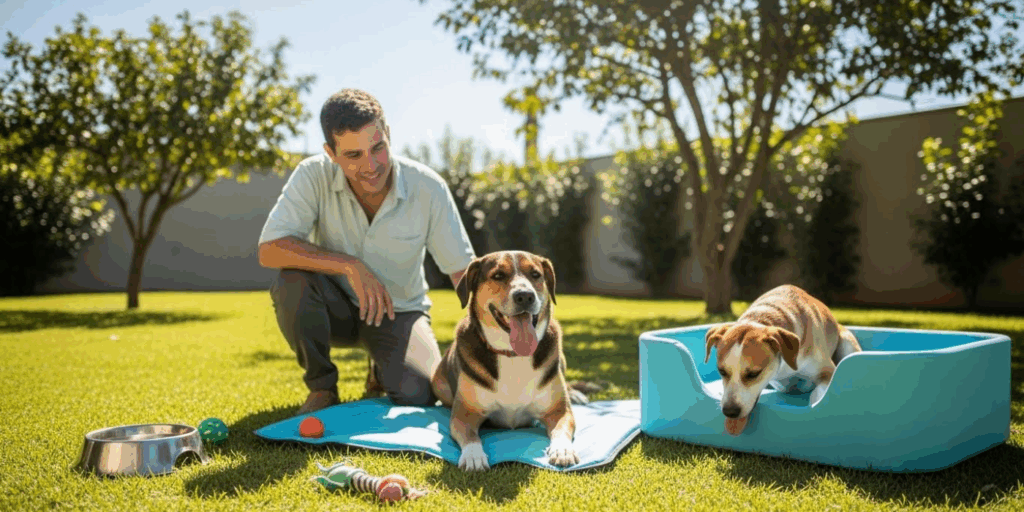
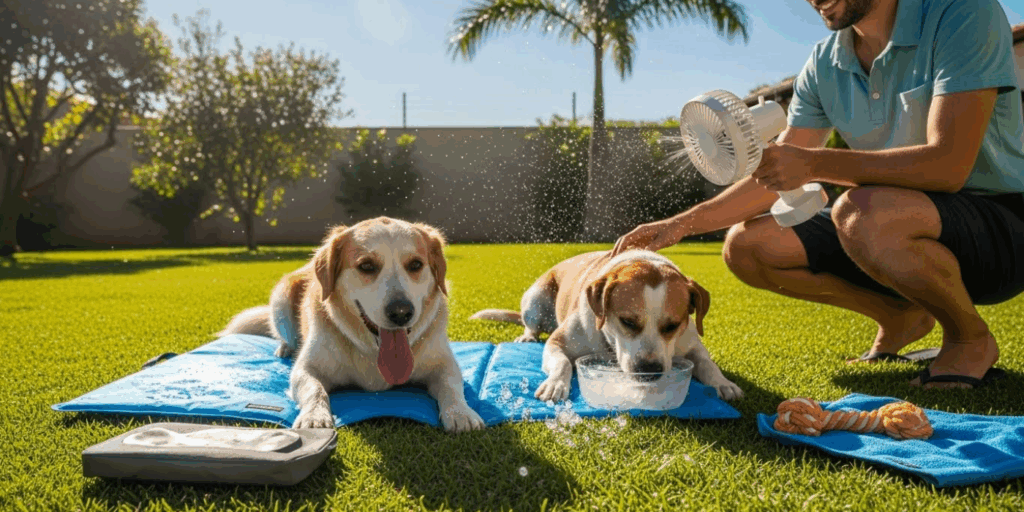
One of the most popular and effective summer solutions for dogs is the cooling mat. These aren’t just fancy pet beds—they’re engineered with materials like gel, water, or phase-change substances that absorb your dog’s body heat and release it slowly, creating a refreshing surface without electricity.
Gel-filled mats activate with pressure: when your dog lies down, the gel redistributes and draws heat away from their body. They typically stay cool for 2–4 hours, then recharge at room temperature. Water-based mats work similarly but may require occasional refills. Meanwhile, advanced phase-change material (PCM) mats maintain a consistent temperature (usually around 70–75°F) for hours, offering longer-lasting relief.
Real-world example: Max, a 70-pound Golden Retriever in Texas, used to pant heavily after his afternoon nap—until his owner invested in a PCM cooling bed. Within days, Max’s resting breathing normalized, and he spent more time lounging comfortably instead of pacing for cooler spots.
Pro tip: Place the mat in a shaded area or on a tile floor to enhance its effect. And never leave it in direct sunlight—it can overheat and lose functionality.
These mats are affordable ($20–$60), portable, and perfect for crates, cars, or living rooms. For senior dogs or those with arthritis, the added comfort is a bonus—cool surfaces can reduce joint inflammation too. Just remember: they’re a supplement, not a replacement, for fresh water and shade.
Cooling Vests & Bandanas: Portable Relief On the Go
What if your dog needs to be outside during peak heat—whether for a walk, hike, or trip to the park? That’s where cooling vests and bandanas shine. These wearable products use evaporative cooling: soak them in cold water, wring them out, and as the water evaporates, it pulls heat from your dog’s body.
Vests cover more surface area (chest, back, and sides), making them ideal for active dogs or those sensitive to heat. Brands like Ruffwear and ThunderShirt offer breathable, adjustable options that stay damp for 30–60 minutes, depending on humidity. Cooling bandanas are lighter and perfect for short outings or fashion-forward pups—but they offer less coverage.
Imagine this: You’re at a summer festival with your Boxer, Luna. The asphalt is scorching, and shade is scarce. But because she’s wearing a soaked cooling vest, her core temperature stays regulated, and she’s wagging instead of wheezing.
Important considerations:
- Re-wet the vest every 30–45 minutes in dry climates.
- Avoid using ice-cold water—it can constrict blood vessels and reduce cooling efficiency.
- Never use these in freezing conditions—they’re strictly for heat!
They’re also great for travel. If you’re road-tripping with your dog, keep a vest in a cooler. A quick soak at rest stops can make all the difference. Lightweight, reusable, and easy to pack, these accessories are summer essentials for any dog owner on the move.
Elevated Cooling Bowls & Water Toys: Hydration Meets Innovation
Hydration is critical—but a lukewarm bowl of water sitting in the sun isn’t doing your dog any favors. Enter elevated cooling bowls. These often feature double walls filled with a cooling gel or freezable inserts that keep water refreshingly cold for hours. Some even come with built-in stands to promote better posture during drinking, reducing strain on necks and joints.
But why stop at bowls? Interactive water toys can double as hydration motivators. Floating treat dispensers or splash pads encourage dogs to play—and drink—without realizing they’re staying hydrated. For example, the Nina Ottosson water puzzle releases kibble when your dog nudges floating discs, subtly increasing fluid intake.
Consider Bella, a senior Beagle who started avoiding water in summer. Her owner added a frozen broth cube to a cooling bowl—and suddenly, Bella was lapping eagerly. The combo of cold temperature and flavor made hydration appealing again.
Smart hydration tips:
- Add low-sodium chicken or beef broth to water to entice picky drinkers.
- Freeze treats like blueberries or carrot sticks in ice cubes for a fun, hydrating snack.
- Always carry a collapsible water bowl on walks.
Remember: a dog can lose 10% of its body water through panting alone on a hot day. Keeping water cold and appealing isn’t a luxury—it’s a necessity.
DIY Solutions That Actually Work (And Save You Money)
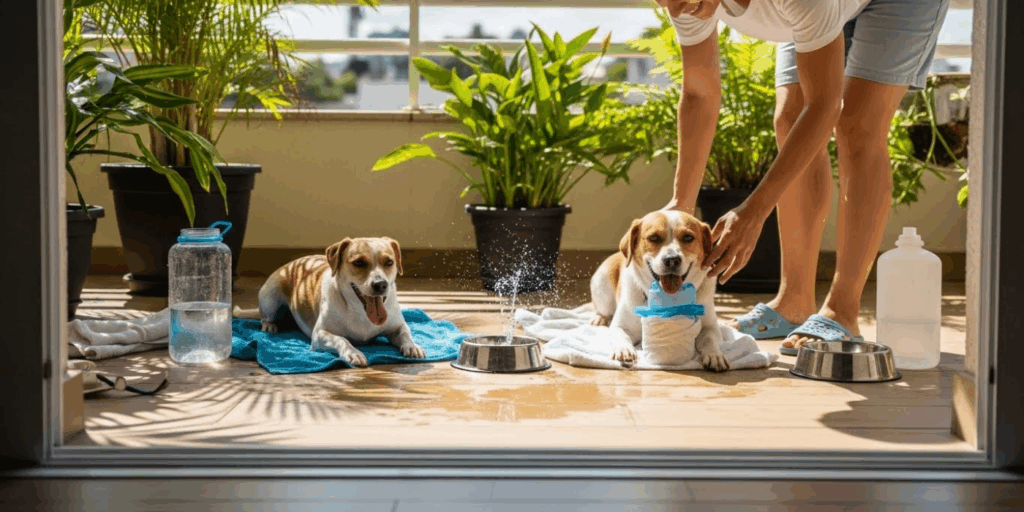
You don’t need to spend a fortune to keep your dog cool. Some of the most effective strategies are low-cost, homemade, and surprisingly powerful.
Start with frozen treats. Blend plain yogurt, peanut butter (xylitol-free!), and banana, then freeze in KONGs or ice cube trays. Not only are they delicious, but the act of licking also slows your dog down—reducing agitation and promoting calmness in the heat.
Next, try damp towels. Lay a wet (not dripping) towel in a shaded spot. As your dog lies on it, evaporation cools their underside—especially helpful for short-haired breeds. You can even drape one lightly over their back during car rides (avoiding the face).
For yard cooling, sprinklers or shallow kiddie pools offer instant relief. Many dogs love splashing around, and even those who don’t will appreciate a cool patch of grass. Add a few floating toys to make it inviting.
And don’t overlook strategic grooming. While shaving double-coated breeds (like Malamutes) is a myth—they actually overheat more without their insulating fur—a light trim and thorough brushing can remove dead undercoat and improve airflow.
These DIY methods are sustainable, customizable, and perfect for testing before investing in premium products. Plus, they foster bonding—your dog will associate summer with fun, not stress.
What to Avoid: Common Summer Mistakes Dog Owners Make
Even with good intentions, well-meaning pet owners often make dangerous errors in summer. Here are three critical “don’ts” to remember:
1. Don’t rely on fans alone.
Fans cool humans through sweat evaporation—but since dogs don’t sweat like we do, a fan just blows hot air at them. Use fans in combination with cooling mats or wet towels for real effect.
2. Don’t walk on hot pavement.
If you can’t hold your bare hand on the sidewalk for 5 seconds, it’s too hot for your dog’s paws. Asphalt can reach 140°F on a 90°F day—enough to cause burns in under a minute. Opt for grassy paths or walk early morning/late evening.
3. Don’t assume shade = safety.
Shade helps, but without airflow or water, your dog can still overheat. Always provide both shade AND hydration, and check on them frequently.
Also, never leave your dog in a parked car—even with windows cracked. Interior temperatures can soar to 120°F in 20 minutes, regardless of outside temps.
By avoiding these pitfalls, you’ll protect your dog far more effectively than any product alone could.
Choosing the Right Cooling Product for Your Dog’s Needs
Not every dog needs the same solution. A Chihuahua in Miami has different needs than a Saint Bernard in Seattle. When selecting cooling gear, consider:
- Breed & Coat Type: Brachycephalic (flat-faced) dogs benefit most from vests and shaded rest areas. Thick-coated breeds may need mats + grooming.
- Activity Level: High-energy dogs need portable cooling (vests, collapsible bowls). Couch potatoes do well with beds and fans.
- Age & Health: Seniors or dogs with heart/lung issues require gentler, consistent cooling—avoid sudden temperature changes.
- Budget: Start with one high-impact item (like a cooling mat) before building a full toolkit.
Read reviews, check for non-toxic materials, and prioritize ease of cleaning. A $50 mat that’s dishwasher-safe is better than a $30 one you can’t sanitize.
Most importantly, watch your dog’s behavior. If they’re seeking cool floors, panting excessively, or avoiding play, it’s time to upgrade your strategy—no matter what products you own.
Final Thoughts: Summer Safety Is an Act of Love
Keeping your dog cool in summer isn’t about gadgets—it’s about attentiveness, preparation, and care. The right cooling product can be a game-changer, but it works best when paired with awareness, fresh water, and common sense.
From cooling mats that offer relief in seconds to vests that make adventures safer, these tools empower you to protect your pet in a warming world. And with DIY tricks, smart hydration, and a watchful eye, you can turn sweltering days into safe, joyful ones.
Your dog trusts you to keep them safe. This summer, honor that trust with action—not just good intentions.
Now we’d love to hear from you: What’s your go-to summer cooling hack for your pup? Have you tried a cooling vest or made frozen treats? Share your tips in the comments below—and if this article helped, pass it on to a fellow dog lover. Together, we can make every summer safer for our four-legged friends.

Lucas Neto is a passionate animal enthusiast who has spent years learning, caring, and connecting with pets of all kinds. His fascination with animals began in childhood and grew into a lifelong dedication to understanding their behavior, needs, and unique personalities. Whether rescuing strays, supporting responsible pet care, or simply enjoying the everyday joy that animals bring, Lucas is committed to sharing his knowledge and love for pets with others.