
Introduction: Love Your Dog—But Not Their Hair Everywhere!
If you’ve ever walked into a room and found your black sweater looking like a lint roller’s dream—or worse, your couch permanently dusted in fur—you know the reality of living with a heavy-shedding dog. While shedding is a natural and healthy process for dogs, some breeds take it to a whole new level. Whether you’re a seasoned dog owner or considering bringing a new furry friend into your home, understanding which breeds shed the most—and how to manage it—can save you time, stress, and a mountain of lint.
In this article, we’ll explore the top dog breeds known for their heavy shedding, explain why they shed so much, and, most importantly, offer practical, proven strategies to keep your home fur-free (or at least fur-manageable). From grooming routines to nutrition tips and smart cleaning hacks, you’ll walk away with actionable advice that fits real life—not just a dog-care manual. After all, loving your dog shouldn’t mean surrendering your home to tumbleweeds of fur!
Why Do Some Dogs Shed So Much? The Science Behind the Fur Storm
Before diving into the breeds, it’s helpful to understand why shedding happens—and why it varies so dramatically from one dog to another. Shedding is part of a dog’s natural hair growth cycle, influenced by factors like breed, season, health, and even stress levels. Most dogs have either a single coat (like Poodles) or a double coat (like Huskies). It’s the double-coated breeds that tend to shed the most.
Double-coated dogs have a soft, dense undercoat that insulates them from cold and a longer, coarser topcoat that repels water and dirt. During seasonal transitions—especially spring and fall—these dogs “blow their coat,” shedding the undercoat in massive amounts to adjust to temperature changes. Think of it as nature’s built-in climate control system.
So while shedding isn’t a sign of poor health (in most cases), it is a sign that your dog is perfectly adapted to survive harsh climates—just not your beige carpet. Understanding the “why” helps us respond with empathy and effective management, rather than frustration.
Top 5 Dog Breeds That Shed the Most (And What Makes Them Unique)

Let’s meet the usual suspects—the breeds that turn homes into fur factories. These pups are lovable, loyal, and yes, extremely fluffy—but they come with a shedding warning label.
- Alaskan Malamute
Bred for Arctic sledding, Malamutes have a thick double coat that’s practically built to trap snow—and your vacuum cleaner’s attention. They shed year-round and blow their coat twice a year in dramatic fashion. - German Shepherd
Intelligent and protective, German Shepherds are beloved working dogs. But their dense undercoat means constant shedding, especially if they’re kept indoors where artificial lighting disrupts natural seasonal cycles. - Siberian Husky
Huskies are famous for their striking eyes—and their epic shedding. Their undercoat is so dense it can take weeks to fully shed during “blowing season.” Pro tip: never shave a Husky—it ruins their natural insulation and can lead to sunburn! - Golden Retriever
America’s sweetheart sheds like it’s their job. Their water-repellent outer coat and soft undercoat combine to create daily fur tumbleweeds, especially during seasonal changes. - Saint Bernard
Big dog, big mess. Saint Bernards have thick, slightly oily coats that shed heavily year-round. Their size means more surface area—and more fur to clean up.
While these breeds require extra grooming effort, they also bring unmatched companionship. The key isn’t to avoid them—it’s to prepare for them.
Grooming Routines That Actually Work: Less Shedding, More Bonding
Here’s the good news: consistent grooming can reduce shedding by up to 90%. Yes, really! The secret? It’s not just how often you groom—it’s how you do it.
Start with the right tools:
- Undercoat rakes (like the Furminator) are essential for double-coated breeds. They reach deep to remove loose undercoat without damaging the topcoat.
- Slicker brushes work well for medium to long-haired dogs like Golden Retrievers.
- Deshedding shampoos and conditioners can loosen dead hair during bath time, making brushing more effective.
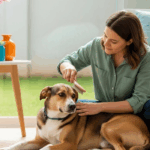
Aim to brush your heavy shedder 2–3 times per week, and increase to daily sessions during peak shedding seasons. Not only does this keep fur off your furniture, but it also distributes natural oils, prevents matting, and gives you quality bonding time.
And don’t forget the bath! While over-bathing can dry out your dog’s skin (which increases shedding), a monthly bath with a moisturizing, oatmeal-based shampoo can do wonders. Always follow up with thorough brushing once your dog is dry—wet fur mats easily, and mats lead to more shedding.
Diet and Supplements: The Inside-Out Approach to Healthy Coats
Did you know what your dog eats directly affects how much they shed? A poor diet can lead to dry, brittle hair that breaks and falls out more easily. On the flip side, a nutrient-rich diet promotes a healthy coat that sheds less and more predictably.
Focus on high-quality dog food with:
- Real meat as the first ingredient
- Omega-3 and Omega-6 fatty acids (found in fish oil, flaxseed, and chicken fat)
- Adequate protein (at least 18–25% for adult dogs)
Many owners see dramatic improvements by adding a fish oil supplement to their dog’s meals. Omega-3s reduce inflammation, moisturize the skin, and strengthen hair follicles—leading to less breakage and shedding. Always consult your vet before starting supplements, especially if your dog has health conditions.
Hydration matters too! Dry skin = more shedding. Make sure fresh water is always available, especially in dry or heated indoor environments.
Home Hacks: Keeping Your Space (Relatively) Fur-Free

Even with perfect grooming, some fur will escape—it’s inevitable. But smart home strategies can minimize the chaos.
- Vacuum smarter, not harder: Invest in a vacuum designed for pet hair (Dyson, Shark, or Bissell Pet series). Vacuum every other day during heavy shedding seasons.
- Washable covers: Use slipcovers on sofas and throw blankets on beds. They’re easier to toss in the washer than deep-cleaning upholstery.
- Lint rollers and rubber gloves: Keep them in every room. Damp rubber gloves actually pick up fur better than tape-based rollers!
- Air purifiers: HEPA filters capture airborne dander and fur, improving air quality—especially helpful for allergy sufferers.
One pro tip? Groom outside when possible. Brushing on a patio or in the yard means the wind carries fur away instead of into your HVAC system.
Myth-Busting: Common Misconceptions About Dog Shedding
Let’s clear the air on a few popular myths:
❌ “Shaving my dog will stop shedding.”
Not true—and often harmful. Double-coated breeds rely on their fur for temperature regulation. Shaving can disrupt their coat growth, lead to sunburn, and even cause permanent texture changes.
❌ “Only long-haired dogs shed a lot.”
False. Some short-haired breeds (like the Labrador Retriever) shed heavily because of their dense undercoats. Length isn’t the issue—coat type is.
❌ “All shedding is normal.”
While shedding is natural, sudden or excessive hair loss can signal allergies, parasites, stress, or hormonal imbalances. If you notice bald patches, red skin, or constant scratching, see your vet.
Understanding these truths helps you care for your dog more effectively—and avoid well-meaning but misguided advice.
When Shedding Becomes a Red Flag: Health vs. Normal Hair Loss
It’s vital to distinguish between healthy seasonal shedding and problematic hair loss. Normal shedding is even across the body, doesn’t expose skin, and doesn’t cause discomfort. But if your dog is:
- Losing hair in clumps
- Developing sores or hot spots
- Scratching excessively
- Showing changes in behavior or appetite
…it’s time for a vet visit. Conditions like hypothyroidism, Cushing’s disease, or flea allergy dermatitis can mimic “just shedding” but require medical treatment.
Regular vet check-ups, skin checks during grooming, and keeping a shedding journal (yes, really!) can help you spot changes early. Your dog can’t tell you they’re itchy—so you have to be their voice.
Embracing the Fluff: Why These Breeds Are Worth the Extra Effort
Yes, they shed. A lot. But here’s the thing: the breeds that shed the most are often the ones with the biggest hearts. The loyal German Shepherd who guards your home. The goofy Husky who makes you laugh daily. The gentle Saint Bernard who thinks he’s a lap dog. Their fur is a small price to pay for their unwavering love.
Many owners say that once they establish a routine, shedding becomes just another part of dog ownership—like walks, treats, and muddy paws. In fact, the time spent brushing becomes a calming ritual for both dog and human, strengthening your bond in quiet, meaningful ways.
So instead of seeing fur as a nuisance, reframe it: it’s proof of a healthy, happy dog sharing your life. And with the right tools and mindset, you can enjoy both your dog and your clean(ish) home.
Conclusion: Shedding Happens—But It Doesn’t Have to Take Over Your Life
Living with a heavy-shedding dog doesn’t mean surrendering your home to fur. With the right breed knowledge, consistent grooming, smart nutrition, and a few clever home strategies, you can dramatically reduce the mess while enjoying everything your dog brings to your life.
We’ve covered the top shedders, explained why they shed so much, and equipped you with practical, vet-approved tips to manage it—all without compromising your dog’s health or comfort. Remember: shedding is natural, manageable, and often seasonal. It’s not a flaw—it’s a feature of some of the world’s most beloved breeds.
So if you’re eyeing a fluffy Malamute puppy or already sharing your couch with a fur-covered Golden Retriever, take heart. You’re not alone, and you’re definitely not helpless. A little effort goes a long way toward harmony—between you, your dog, and your vacuum cleaner.
Now we’d love to hear from you!
Do you live with a heavy shedder? What’s your go-to grooming tool or cleaning hack? Share your tips and stories in the comments below—your advice might just save another dog lover from a fur-covered meltdown! 🐾

Lucas Neto is a passionate animal enthusiast who has spent years learning, caring, and connecting with pets of all kinds. His fascination with animals began in childhood and grew into a lifelong dedication to understanding their behavior, needs, and unique personalities. Whether rescuing strays, supporting responsible pet care, or simply enjoying the everyday joy that animals bring, Lucas is committed to sharing his knowledge and love for pets with others.