You know that moment when your dog leans in for a good morning kiss—big, slobbery, and full of love—and you instantly regret it? That awful, sour breath that makes you recoil? You’re not alone. And no, it’s not just “dog breath.” It’s a warning sign.
Most pet owners assume bad breath in dogs is normal—just part of the package when you live with a furry, tail-wagging ball of chaos. But here’s the truth: chronic bad breath in dogs isn’t normal. It’s a red flag. Behind that stinky breath could be painful gum disease, tooth decay, or even infections that affect your dog’s heart, kidneys, and liver. The good news? With a few simple, daily habits, you can transform your pup’s oral health—and your nose—from “yuck” to “wow.”
In this guide, we’ll walk you through everything you need to know about dog dental care—not just to get rid of the stink, but to give your furry friend a lifetime of pain-free chewing, happy meals, and those sweet, breath-kiss moments you both deserve. We’ll cover the real causes of bad breath, how to spot early signs of dental disease, the most effective ways to brush your dog’s teeth (yes, even if they hate it), the truth about dental chews and toys, and what to expect at the vet. Plus, we’ll share real-life stories from dog owners who turned things around—and how you can too.
Let’s dive in. Your dog’s smile is counting on you.
Why Dog Dental Health Matters More Than You Think
Let’s start with a startling fact: by age 3, 80% of dogs show signs of periodontal disease. That’s not just “a little plaque.” It’s inflammation, infection, and bone loss—all happening silently while your dog happily chews on a rawhide or laps up kibble.
Think about it: your dog uses their mouth for everything. Eating, playing, exploring, even communicating. If their teeth hurt, they can’t enjoy life the way they should. And here’s the kicker—dogs are masters at hiding pain. They won’t whine or stop eating… until it’s too late.
Periodontal disease doesn’t just stay in the mouth. Bacteria from infected gums can enter the bloodstream and travel to vital organs. Studies have shown links between poor dental health and heart disease, kidney failure, and even liver damage in dogs. One 2019 study published in the Journal of Veterinary Dentistry found that dogs with advanced gum disease had significantly higher levels of inflammatory markers in their blood—signaling systemic stress.
And let’s not forget the daily discomfort. Imagine having a toothache that never goes away. Now imagine you can’t tell anyone. That’s your dog’s reality if their teeth are neglected.
The good news? Most of this is preventable.
Unlike humans, dogs don’t brush their teeth naturally. They don’t floss. They don’t rinse. Their mouths are designed for tearing and crunching—not for meticulous hygiene. That means the burden of care falls entirely on you. And the best part? You don’t need to be a vet to make a huge difference. Just 5 minutes a day can change your dog’s life.
Your dog doesn’t care about aesthetics. They don’t want a “perfect smile” for Instagram. But they do want to eat without pain. They do want to play without discomfort. And they do want to snuggle with you—without you flinching.
This isn’t about vanity. It’s about quality of life.
Spotting the Signs: Is Your Dog’s Mouth in Trouble?
You don’t need a dental X-ray to know something’s wrong. Often, the signs are right in front of you—if you know what to look for.
Here’s your quick checklist:
- Bad breath that won’t go away (not just after a meal, but constantly)
- Yellow or brown buildup on teeth (especially near the gumline)
- Red, swollen, or bleeding gums
- Difficulty chewing or dropping food
- Excessive drooling or pawing at the mouth
- Loose or missing teeth
- Changes in behavior—like becoming less playful, withdrawn, or irritable
I once met a dog named Max, a 7-year-old golden retriever whose owner swore he was “just getting old.” Max had stopped running to the door when guests came. He’d nudge his food bowl around but rarely eat. His breath? Like a dead fish in a gym sock.
The vet found three loose teeth, severe gum recession, and an abscess. After a cleaning and two extractions, Max was a new dog. He started sprinting again. He licked his owner’s face with gusto. And the breath? Fresh as spring rain.
That’s the power of early detection.
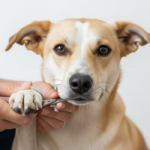
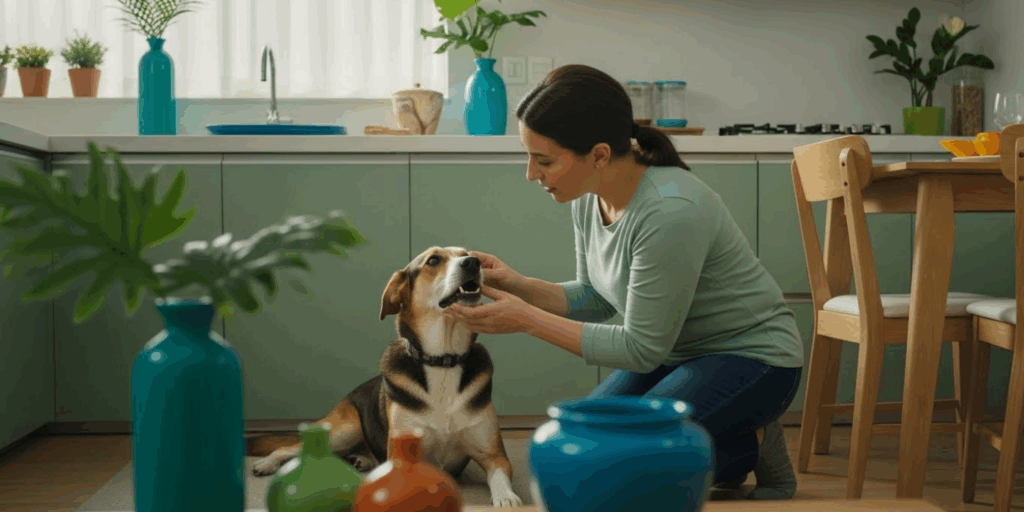
Pro tip: Once a week, gently lift your dog’s lip and take a quick peek. Look for color, texture, and odor. Healthy gums are pink and firm. Plaque looks like a dull, yellowish film. Tartar is hard, brown, and crusty. If you see any of these, it’s time to act.
Also, pay attention to how your dog eats. If they’re chewing on one side only, or suddenly avoiding crunchy treats, it’s a red flag. Dogs with tooth pain often swallow kibble whole—because chewing hurts.
And yes, bad breath is the #1 early warning sign. Even if your dog seems fine otherwise, that lingering odor is your body’s alarm system saying: Something’s wrong down there.
Don’t ignore it. Don’t brush it off as “just dog breath.” Take action.
Brushing Your Dog’s Teeth: The #1 Game-Changer (Yes, Even If They Hate It)
Let’s get real: brushing your dog’s teeth sounds like a nightmare. You picture a wriggling, snarling furball, a toothbrush in one hand, and your sanity in the other.
But here’s the secret: it doesn’t have to be a battle.
The key? Gradual, positive conditioning.
Start now—even if your dog is 8 years old. You’re not too late.
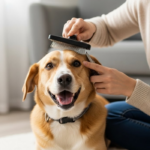
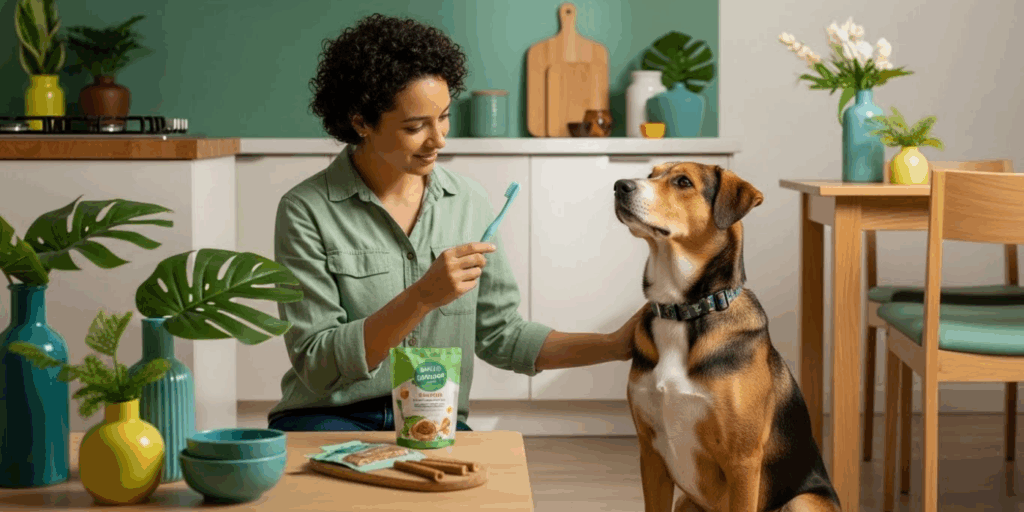
Step 1: Get the right tools. Use a dog-specific toothbrush (finger brushes work great for beginners) and dog-safe toothpaste. Never use human toothpaste—it contains xylitol, which is toxic to dogs. Look for enzymatic toothpaste with flavors like poultry, beef, or peanut butter. Yes, dogs love the taste.
Step 2: Make it a game. For the first few days, just let your dog lick the toothpaste off your finger. Praise, treat, repeat. Let them associate it with something good.
Step 3: Touch their lips. Gently rub your finger along their gums for 10 seconds. Then reward. Do this daily for a week.
Step 4: Introduce the brush. Use your finger with toothpaste first, then move to the brush. Start with just 1–2 teeth. Focus on the outside surfaces (where plaque builds most). Don’t worry about the insides yet.
Step 5: Build up slowly. Aim for 30 seconds a day. Then 60. Eventually, you’ll be brushing all teeth in under two minutes. Consistency matters more than duration.
I know what you’re thinking: My dog won’t let me near his mouth. I get it. My own dog, Luna, used to growl if I even looked at her teeth. I started by just sitting beside her while she ate, then offering a tiny bit of toothpaste on my finger. Took 3 weeks. But now? She leans into the brush. She even nudges the tube with her nose when it’s time.
Pro tip: Brushing after dinner works best. Their mouth is clean, and they’re relaxed. Make it part of your nightly routine—like turning off the lights.
And if you miss a day? No guilt. Just pick up tomorrow. Even brushing 3–4 times a week makes a huge difference.
Remember: This isn’t about perfection. It’s about progress.
Dental Chews, Toys, and Treats: Do They Really Work?
You’ve seen the ads: “Just give this chew once a day and say goodbye to brushing!” Sounds too good to be true, right?
Spoiler: It’s partly true.
Dental chews, toys, and treats can help—but they’re not magic. Think of them as support players, not the star.
The American Veterinary Dental College (AVDC) has a seal of approval for products that actually reduce plaque and tartar. Look for the VOHC (Veterinary Oral Health Council) seal on packaging. These products have been scientifically tested. Brands like Greenies, Hill’s Science Diet Dental Treats, and OraVet Dental Hygiene Chews carry this seal.
How do they work? Through mechanical action—chewing scrapes plaque off teeth. Some also contain enzymes that break down bacteria.
But here’s the catch: a chew won’t clean between teeth or below the gumline. That’s where the real damage happens. And if your dog gulps chews whole? They’re useless.
Best practices:
- Choose chews that are appropriately sized for your dog. Too small? Choking hazard. Too hard? Risk of tooth fractures.
- Avoid bones, antlers, and hooves. They’re too hard and can crack teeth.
- Rotate toys: rubber chew toys, rope toys, and puzzle feeders help keep teeth clean while stimulating the mind.
- Don’t rely on chews alone. Pair them with brushing for maximum effect.
I know a dog mom named Carla who swore by dental chews for her 12-year-old Shih Tzu, Bella. She skipped brushing for years. Then Bella developed a painful abscess. The vet said: “The chews helped a little, but the plaque underneath was like concrete.” Bella needed a full cleaning under anesthesia. Carla now brushes twice a week and uses chews as a bonus—not a replacement.
So yes, dental chews help. But they’re the side dish, not the main course.
The Vet Visit: What to Expect and When to Schedule One

Even the most diligent dog owners can’t do it all at home. That’s why professional cleanings are essential.
Most vets recommend a dental exam and cleaning under anesthesia by age 3, and then every 1–2 years after that. Why anesthesia? Because you can’t clean below the gumline or take X-rays on a wiggly dog. And those hidden pockets of infection? They’re often the source of chronic bad breath.
Here’s what happens during a professional cleaning:
- Full exam – The vet checks for loose teeth, gum recession, and oral tumors.
- X-rays – Up to 60% of dental disease happens below the gumline. X-rays reveal problems invisible to the naked eye.
- Scaling and polishing – Plaque and tartar are removed with ultrasonic tools.
- Extractions – If teeth are beyond saving, they’re gently removed.
- Home care plan – Your vet will give you a personalized routine.
Cost? It varies. A basic cleaning might be $300–$500. But think of it this way: a $400 cleaning prevents a $2,000 emergency surgery later.
And don’t wait for symptoms. If your dog is over 3, schedule a check-up—even if they seem fine. Prevention is cheaper, safer, and kinder.
Pro tip: Ask your vet about dental health insurance. Some pet plans cover cleanings. Even a small monthly premium can save you hundreds.
And if your vet says your dog needs a cleaning? Don’t panic. Modern veterinary anesthesia is very safe—especially with pre-anesthetic blood work. Most dogs are back to normal within 24 hours.
Your dog isn’t “just getting old.” They’re just waiting for you to help them feel better.
The Bigger Picture: How Dental Care Deepens Your Bond
Here’s something I’ve noticed after talking to hundreds of dog owners: when you care for your dog’s teeth, you start seeing them differently.
You notice the way their tongue curls when they smile. The sparkle in their eyes when they eat a treat without wincing. The way they nuzzle your hand after you brush their teeth—not because they want a treat, but because they trust you.
Dental care isn’t just about hygiene. It’s about presence. It’s about showing up for your dog in the quiet, unglamorous moments.
It’s about choosing to be their advocate when they can’t speak.
When you brush their teeth, you’re not just removing plaque. You’re building a ritual of care. A daily reminder that they matter—not just as a pet, but as a family member.
And when their breath finally smells fresh? That kiss on the cheek? That’s pure joy.
You’ll both feel it.
Final Thoughts: Start Today—Your Dog’s Smile Depends on It
Let’s wrap this up with a simple truth: you don’t need to be perfect. You just need to start.
You don’t need fancy gadgets. You don’t need a degree in veterinary science. You just need consistency, patience, and love.
Start tonight. Lift their lip. Look. Smell. Feel.
Pick up a dog-safe toothpaste.
Buy a finger brush.
Give them a VOHC-approved chew.
Schedule that vet check-up.
Do one thing. Just one.
And then do it again tomorrow.
Because your dog doesn’t care if you’re a “perfect” pet owner. They care that you’re there. That you notice. That you care enough to act.
They don’t ask for much. Just a clean mouth. A pain-free bite. A fresh breath before a cuddle.
And guess what? You can give them all of that.
So go ahead. Grab that toothbrush. Be the reason your dog’s next kiss doesn’t make you gag.
Be the reason they still chase squirrels at 12.
Be the reason their smile lasts a lifetime.
What’s one small step you’ll take this week to improve your dog’s dental health? Share it in the comments—I’d love to hear your story. And if this helped you, share it with a friend who’s still holding their breath every time their dog says “hi.” 🐶💛

Lucas Neto is a passionate animal enthusiast who has spent years learning, caring, and connecting with pets of all kinds. His fascination with animals began in childhood and grew into a lifelong dedication to understanding their behavior, needs, and unique personalities. Whether rescuing strays, supporting responsible pet care, or simply enjoying the everyday joy that animals bring, Lucas is committed to sharing his knowledge and love for pets with others.