Introduction
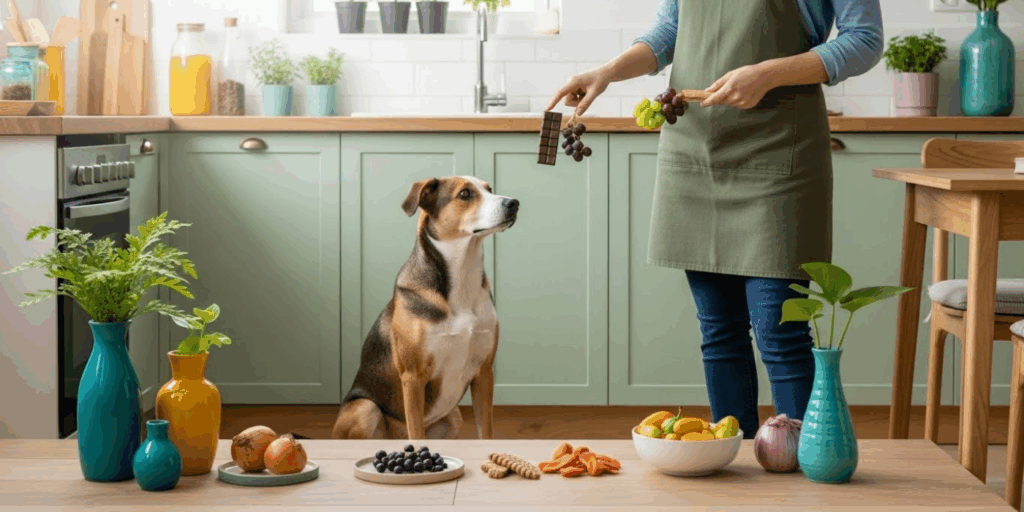
Imagine this: you’re enjoying a delicious meal, and your furry friend sits beside you with those big, pleading eyes. It’s hard to resist offering a bite—after all, sharing is caring, right? But here’s the truth: what’s a tasty treat for you could be a toxic time bomb for your dog. Every year, countless dogs end up at the vet because of something they ate that seemed harmless to their owners. The reality is that our canine companions have very different digestive systems and metabolisms than we do, and some everyday human foods can cause anything from mild stomach upset to life-threatening emergencies.
In this article, we’ll uncover the forbidden foods dogs should never eat—and why. From common kitchen staples to holiday favorites, you’ll learn which items pose real dangers and how to keep your pup safe without sacrificing the joy of sharing your life (and maybe even a few dog-safe treats) with them. Whether you’re a new dog parent or have been caring for furry friends for years, understanding these risks can literally save your dog’s life. Let’s dive in and explore what’s truly off-limits for your four-legged family member.
Chocolate: A Sweet Danger in Disguise
We all know chocolate is a no-go for dogs—but do you know why? The danger lies in two compounds: theobromine and caffeine, both of which belong to a group of chemicals called methylxanthines. While humans metabolize these substances quickly, dogs process them much more slowly, allowing toxic levels to build up in their system.
Even small amounts of chocolate can cause vomiting, diarrhea, rapid breathing, and an increased heart rate. Dark chocolate and baking chocolate are especially dangerous due to their higher theobromine content—just one ounce of baking chocolate can be toxic to a 20-pound dog. Milk chocolate is less concentrated but still risky in larger quantities.
Real-life example: A family once shared a Halloween candy haul with their Labrador, not realizing a few bites of dark chocolate could land him in the emergency room. Within hours, the dog showed signs of tremors and seizures. Thankfully, prompt veterinary care saved his life—but the incident was entirely preventable.
What to do if your dog eats chocolate:
- Note the type and amount consumed.
- Call your vet or the ASPCA Animal Poison Control Center immediately.
- Don’t wait for symptoms—early intervention is crucial.
Remember, there are plenty of dog-safe “chocolate” treats made with carob (a naturally sweet, non-toxic alternative) that satisfy your pup’s sweet tooth without the risk.
Grapes and Raisins: Tiny Fruits, Big Consequences
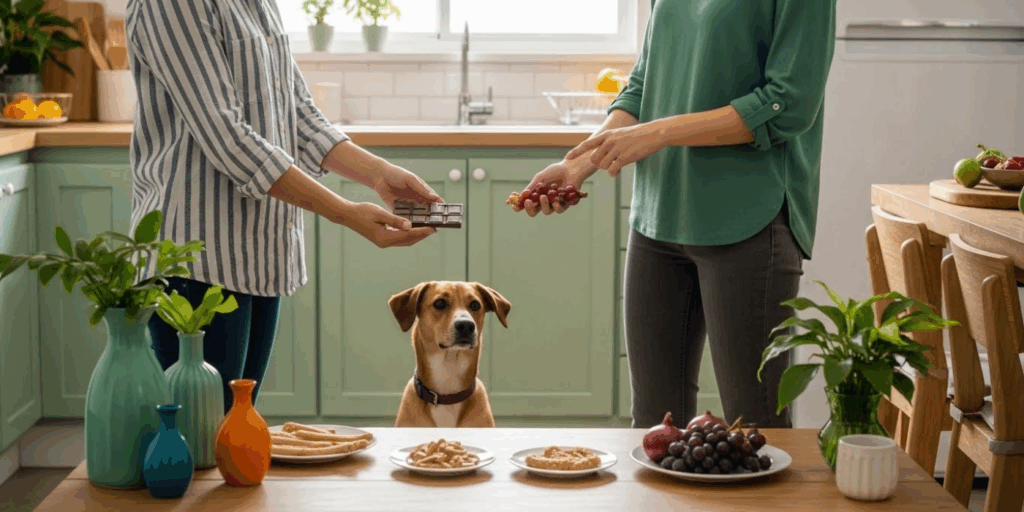
Here’s a surprising one: grapes and raisins—whether seeded, seedless, organic, or store-bought—can cause sudden kidney failure in dogs. Scientists still aren’t certain what exactly in these fruits triggers toxicity, but the effects are well-documented and potentially fatal.
Symptoms usually appear within 24 hours and include vomiting, lethargy, loss of appetite, and decreased urination. In severe cases, kidney damage can be irreversible. Even a single grape has caused serious illness in some small dogs.
Why this matters: Many people assume that because grapes are healthy for humans, they must be okay for dogs too. This misconception makes them especially dangerous—raisins might be tossed into a trail mix your dog snatches off the counter, or a child might share their snack without realizing the risk.
Practical tip: Keep fruit bowls out of reach, and educate everyone in your household—especially kids—about which human foods are unsafe. If your dog ingests grapes or raisins, seek veterinary help immediately, even if they seem fine. Blood tests can detect early kidney changes before symptoms worsen.
Onions, Garlic, and the Allium Family: Silent Threats in Seasonings
You might not give your dog a raw onion—but what about that leftover stew, baby food, or even a taste of your homemade broth? Many pet owners are unaware that onions, garlic, leeks, and chives (all part of the Allium family) are toxic to dogs, regardless of whether they’re raw, cooked, powdered, or dehydrated.
These foods contain compounds that damage red blood cells, leading to hemolytic anemia—a condition where the body destroys its own oxygen-carrying cells. Symptoms include weakness, pale gums, rapid breathing, and dark-colored urine. In severe cases, a blood transfusion may be necessary.
Consider this: just 15 to 30 grams of onion per kilogram of body weight can be toxic. That means a single medium onion could harm a 45-pound dog.
Everyday risk: Many processed foods—like soups, sauces, and even some “natural” dog treats—contain garlic powder or onion extract. Always read labels carefully. And while some holistic vets debate the safety of tiny amounts of garlic for flea prevention, most veterinary organizations strongly advise against it due to inconsistent safety data.
Safer alternative: If you want to add flavor to your dog’s meals, try dog-safe herbs like parsley or a pinch of turmeric (with your vet’s approval).
Xylitol: The Hidden Killer in Sugar-Free Products
If you’ve switched to sugar-free gum, toothpaste, or protein bars for health reasons, you’re not alone. But here’s a critical warning: xylitol, a common artificial sweetener, is extremely toxic to dogs—even in tiny amounts.
When a dog ingests xylitol, it triggers a rapid release of insulin, causing a dangerous drop in blood sugar (hypoglycemia) within 10–60 minutes. Symptoms include vomiting, weakness, stumbling, collapse, and seizures. In higher doses, xylitol can cause acute liver failure within 24–48 hours.
Shocking fact: As little as 0.1 gram of xylitol per kilogram of body weight can cause hypoglycemia. A single piece of sugar-free gum can contain 0.3–1 gram—enough to poison a small dog.
Where xylitol hides:
- Sugar-free gum and mints
- Peanut butter (yes, some brands!)
- Baked goods
- Toothpaste and mouthwash
- Some medications and vitamins
Always check labels before offering any human food to your dog. If your pup licks a spoon of “healthy” peanut butter or chews a gum wrapper, don’t wait—call your vet or poison control right away. Time is critical with xylitol poisoning.
Alcohol, Caffeine, and Other “Adult” Substances
While it might seem obvious that alcohol is off-limits for dogs, accidents happen—especially during parties or BBQs. But even small amounts of alcohol (from beer, wine, or even unbaked bread dough containing yeast) can cause vomiting, disorientation, difficulty breathing, and in severe cases, coma or death.
Similarly, caffeine—found in coffee, tea, energy drinks, and even chocolate-covered coffee beans—is highly toxic. Dogs are more sensitive to caffeine than humans, and ingestion can lead to rapid heart rate, tremors, and hyperthermia.
Less obvious sources:
- Coffee grounds in the trash
- Spilled soda or energy drinks
- Medications containing caffeine
Real-world scenario: A curious terrier once drank from a half-finished margarita left on a patio table. Within 30 minutes, he was unsteady on his feet and panting heavily. His owners rushed him to an emergency clinic, where he received IV fluids and monitoring—lucky for them, they acted fast.
Prevention tip: Keep all beverages and adult snacks well out of paw’s reach. Teach children never to offer dogs “sips” of their drinks, no matter how cute the request seems.
Avocados, Macadamia Nuts, and Other Surprising Hazards
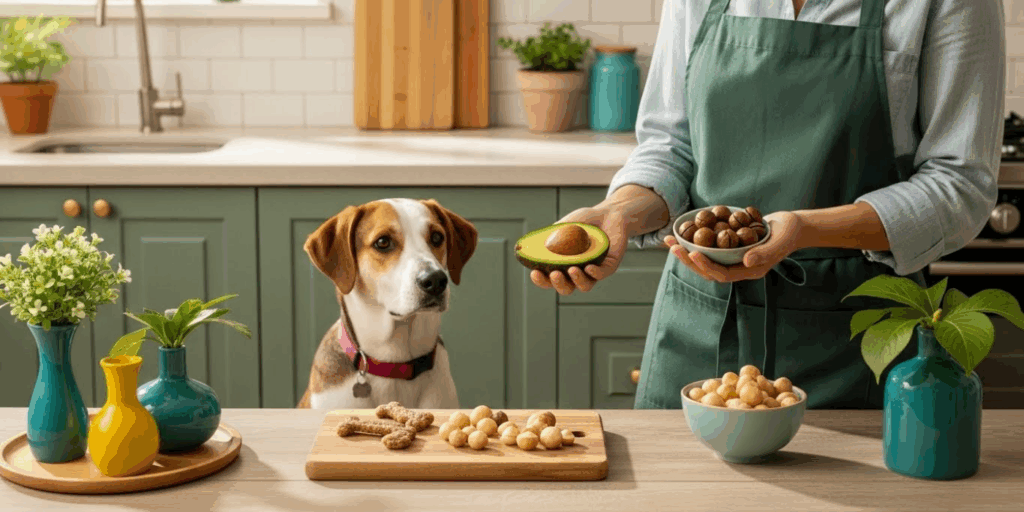
Not all toxic foods are obvious. Take avocados, for example. While the flesh is only mildly toxic (causing stomach upset in most dogs), the pit poses a choking or intestinal blockage risk, and the plant contains persin, a fungicidal toxin that can be harmful in large amounts.
Then there’s macadamia nuts—a snack many consider healthy. But in dogs, even a handful can cause weakness, vomiting, tremors, and elevated body temperature. The exact toxin is unknown, but the effects are real and often appear within 12 hours.
Other risky foods to avoid:
- Raw yeast dough: Expands in the stomach and produces alcohol.
- Raw eggs or meat: Risk of salmonella or E. coli (though some raw diets use controlled sources).
- Bones (especially cooked): Can splinter and cause internal injuries.
- High-fat foods: May trigger pancreatitis, a painful and serious condition.
Tip for pet parents: When in doubt, don’t feed it. Stick to dog-approved treats or safe fruits and veggies like apples (without seeds), blueberries, or carrots.
What to Do If Your Dog Eats Something Toxic
Accidents happen—even the most cautious pet owner can have a moment of oversight. If your dog consumes a forbidden food, stay calm but act quickly.
- Identify what was eaten, how much, and when.
- Do not induce vomiting unless instructed by a professional—some substances can cause more harm coming back up.
- Call your veterinarian or the ASPCA Animal Poison Control Center (888-426-4435) immediately.
- Keep the packaging—it helps vets assess ingredients and dosage.
- Monitor closely for symptoms like vomiting, diarrhea, lethargy, tremors, or difficulty breathing.
Having a pet first-aid kit and emergency contacts saved on your phone can make all the difference in a crisis.
Building a Dog-Safe Kitchen: Prevention Is Key
The best way to protect your dog is to prevent exposure in the first place. Start by treating your kitchen like a child-proofed space:
- Store food in closed cabinets or high shelves.
- Use trash cans with secure lids.
- Never leave plates unattended on low tables.
- Educate guests not to feed your dog table scraps.
Create a “dog-safe snack station” with approved treats so you always have a healthy alternative ready when those begging eyes appear. And remember: just because a food isn’t on the “never” list doesn’t mean it’s good for your dog. Moderation and balance matter—even too much peanut butter (xylitol-free!) can lead to weight gain or pancreatitis.
Conclusion: Love Means Knowing What Not to Share
Caring for a dog isn’t just about walks, cuddles, and toys—it’s also about making smart, informed choices every day, especially when it comes to food. The list of forbidden foods may seem long, but it’s rooted in one simple truth: what fuels us can harm them. By understanding which everyday items pose hidden dangers, you’re not just being a good pet owner—you’re being a guardian of your dog’s health and happiness.
From chocolate and grapes to xylitol and onions, the risks are real—but so is your power to prevent them. Take a moment this week to check your pantry, read labels, and maybe even post a quick reminder on your fridge. Your furry friend may not understand why you’re saying no to that shared bite of pizza—but they’ll thank you with wagging tails and years of joyful companionship.
Now we’d love to hear from you: Has your dog ever gotten into something they shouldn’t have? What steps do you take to keep your kitchen safe? Share your story or tips in the comments below—and if you found this guide helpful, please pass it on to a fellow dog lover. Together, we can keep more tails wagging and fewer dogs in distress. 🐾

Lucas Neto is a passionate animal enthusiast who has spent years learning, caring, and connecting with pets of all kinds. His fascination with animals began in childhood and grew into a lifelong dedication to understanding their behavior, needs, and unique personalities. Whether rescuing strays, supporting responsible pet care, or simply enjoying the everyday joy that animals bring, Lucas is committed to sharing his knowledge and love for pets with others.