
Introduction
Have you ever looked into your dog’s hopeful eyes at dinner time and wondered, “Am I feeding them the right amount—or even at the right times?” You’re not alone. With busy schedules, conflicting advice from friends, and endless pet food labels, it’s easy to feel unsure about something as fundamental as your dog’s feeding routine. Yet this simple daily act plays a massive role in your pet’s overall health, energy levels, digestion, and even behavior.
In this article, we’ll explore the ins and outs of dog feeding schedules—not just the “how many times,” but the “why” behind it. Whether you have a bouncy puppy, a middle-aged adult dog, or a wise senior companion, their nutritional needs shift over time. We’ll break down age-specific recommendations, consider factors like breed size, activity level, and health conditions, and offer easy-to-follow tips to help you build a feeding routine that works for both you and your furry friend. By the end, you’ll feel more confident—and equipped—to make choices that truly support your dog’s well-being.
Puppy Power: Why Young Dogs Need More Frequent Meals
Puppies are like tiny whirlwinds of energy, curiosity, and rapid growth—and their feeding schedules should reflect that. Unlike adult dogs, puppies have small stomachs and high metabolic rates, meaning they burn through calories quickly and can’t store energy for long. That’s why most veterinarians recommend feeding puppies three to four times a day until they’re about six months old.
For example, a 10-week-old Labrador might only be able to comfortably eat a quarter cup of kibble at a time. Spread that out over four meals, and they’ll get the nutrition they need without overwhelming their delicate digestive system. Skipping meals or stretching out feeding times too far can lead to low blood sugar (hypoglycemia), especially in small or toy breeds like Chihuahuas or Yorkshire Terriers—a potentially dangerous condition.
Consistency matters too. Puppies thrive on routine, and regular feeding times help regulate not just their hunger but also their bathroom habits—making house training much smoother. Think of your puppy’s feeding schedule as the backbone of their daily rhythm: meals in the morning, midday, late afternoon, and early evening set clear expectations and reduce anxiety.
Pro tip: Always follow the feeding guidelines on your puppy food’s packaging, but adjust based on your vet’s advice—especially if your pup is underweight, overweight, or has special dietary needs.
Adult Dogs: Finding the Sweet Spot Between Two Meals
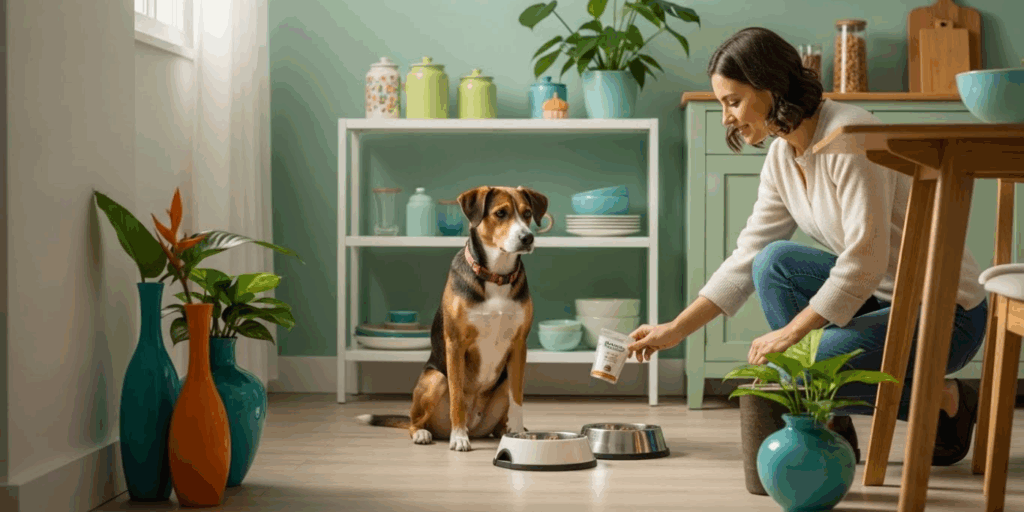
Once your dog reaches adulthood—typically between 12 and 18 months, depending on breed size—their feeding needs simplify. Most healthy adult dogs do well with two meals a day: one in the morning and one in the evening. This schedule supports stable blood sugar levels, prevents excessive hunger (and the resulting counter-surfing or trash-raiding), and aligns well with most human routines.
Why not just one big meal? While some adult dogs can tolerate once-daily feeding, it’s generally not ideal. A single large meal can cause bloating, digestive upset, or even a life-threatening condition called gastric dilatation-volvulus (GDV), especially in deep-chested breeds like Great Danes, German Shepherds, or Boxers. Two smaller meals reduce this risk and keep energy levels more consistent throughout the day.
That said, flexibility is possible. If your work schedule makes midday feeding tough, aim for meals roughly 12 hours apart—for example, 7 a.m. and 7 p.m. Just avoid leaving more than 12 hours between meals for most adult dogs. And always measure portions carefully; free-feeding (leaving food out all day) might seem convenient, but it often leads to overeating and obesity, which affects more than half of U.S. dogs.
Real-life example: Sarah, a graphic designer working from home, feeds her 4-year-old Beagle at 8 a.m. and 6 p.m. She uses a slow-feeder bowl in the evening to prevent him from gulping his dinner too fast—a habit that once gave him an upset stomach. Small tweaks like this can make a big difference.
Senior Dogs and Special Needs: When Routine Requires Flexibility
As dogs age, their metabolism slows, muscle mass decreases, and health issues like arthritis, kidney disease, or dental problems may arise. These changes often call for adjustments in both what and how often you feed them. While many senior dogs still do fine with two meals a day, some benefit from three smaller meals to ease digestion or manage chronic conditions.
For instance, a dog with kidney disease may need a low-protein, phosphorus-controlled diet spread across multiple feedings to reduce strain on their organs. Similarly, dogs with diabetes require precise meal timing to align with insulin injections—usually two meals exactly 12 hours apart.
Dental health also plays a role. Older dogs with missing teeth or gum pain may prefer softer food or even a homemade diet, and smaller, more frequent meals can make eating less painful. Always consult your veterinarian before making changes for a senior dog—what looks like “just getting old” could actually be a treatable medical issue.
Don’t assume less activity = less food. While seniors often need fewer calories, they still require high-quality protein and essential nutrients. Some senior dog foods are lower in fat but enriched with joint-supporting ingredients like glucosamine or omega-3 fatty acids. Feeding isn’t just about quantity—it’s about quality and timing too.
Big Dogs vs. Small Dogs: Size Really Does Matter

It’s tempting to treat all dogs the same, but size significantly impacts feeding frequency and portion control. Small breeds (under 20 pounds) have faster metabolisms and smaller stomachs, so they often do better with two to three meals even as adults. Left with just one meal, they may become anxious, restless, or even develop hypoglycemia.
On the flip side, giant breeds (over 80 pounds) like Mastiffs or Saint Bernards have slower metabolisms but are at higher risk for bloat. For them, two moderate meals are safer than one large one. Some owners of large breeds even elevate food bowls or use puzzle feeders to slow down eating and reduce air intake—both strategies that help prevent GDV.
Consider this analogy: a hummingbird eats constantly throughout the day because of its rapid metabolism, while an elephant eats large quantities but less frequently. Dogs follow a similar principle based on size. A 5-pound Pomeranian and a 120-pound Newfoundland have vastly different energy needs and digestive capacities—even if they’re the same age.
Quick reference guide:
- Toy/Small Breeds (under 20 lbs): 2–3 meals/day as adults
- Medium Breeds (20–50 lbs): 2 meals/day
- Large/Giant Breeds (50+ lbs): 2 meals/day, carefully portioned
Always adjust based on your dog’s individual health, not just their size category.
Practical Tips for Building the Perfect Feeding Routine
Now that you understand the “why,” let’s talk “how.” Creating a sustainable feeding schedule isn’t just about timing—it’s about integrating it seamlessly into your life while meeting your dog’s needs.
1. Stick to a consistent clock. Dogs thrive on predictability. Feeding at roughly the same times each day helps regulate their digestion, energy, and even bathroom habits. Set phone reminders if needed!
2. Measure every meal. Eyeballing portions leads to overfeeding. Use a standard measuring cup or kitchen scale, especially if your dog is prone to weight gain.
3. Avoid feeding right before or after intense exercise. Wait at least an hour before or after vigorous play or walks, especially for deep-chested breeds, to lower bloat risk.
4. Consider slow feeders or puzzle bowls. These aren’t just toys—they promote healthier eating by preventing gulping and encouraging mental stimulation.
5. Monitor your dog’s body condition. You should be able to feel (but not see) their ribs, and they should have a visible waistline when viewed from above. If they’re gaining or losing weight unexpectedly, reassess portions or consult your vet.
6. Adjust for life changes. A dog recovering from surgery, nursing puppies, or training for agility competitions may need more frequent or larger meals temporarily.
Remember: the best feeding schedule is one you can maintain consistently without stress. If your lifestyle allows for three meals but you’re constantly rushing, two well-timed meals may be better than three chaotic ones.
Beyond the Bowl: How Feeding Impacts Behavior and Bonding
Feeding isn’t just about nutrition—it’s a powerful tool for training, bonding, and managing behavior. Dogs naturally associate food with positive experiences, and how you feed them can shape their manners, confidence, and relationship with you.
For example, using part of your dog’s daily food allowance for training treats reinforces good behavior without adding extra calories. Teaching your dog to “sit and wait” before meals builds patience and impulse control. Even simple routines—like calling your dog to their bowl instead of placing food down while they’re jumping—create structure and mutual respect.
Moreover, mealtime is a quiet moment of connection in a busy day. Kneeling down, speaking softly, and watching your dog eat can strengthen your bond, especially with shy or rescued dogs learning to trust. It’s not just about filling their stomach; it’s about filling their emotional needs too.
On the flip side, inconsistent or chaotic feeding can contribute to anxiety, food guarding, or begging behaviors. By making mealtimes calm, predictable, and interactive (in a positive way), you’re investing in your dog’s emotional well-being as much as their physical health.
Conclusion
So, how many times a day should you feed your dog? The answer, as we’ve seen, isn’t one-size-fits-all. Puppies need frequent, small meals to fuel their growth. Healthy adult dogs usually thrive on two balanced meals. Seniors and dogs with health issues may require customized schedules. And breed size, activity level, and even your own routine all play a role in finding the right balance.
What ties all these recommendations together is consistency, observation, and care. Pay attention to your dog’s energy, weight, stool quality, and behavior—they’re all clues that your feeding plan is (or isn’t) working. And when in doubt, your veterinarian is your best ally.
Feeding your dog is more than a chore—it’s a daily act of love and responsibility. By getting it right, you’re not just preventing health problems; you’re setting the stage for a happier, more vibrant life together. So tonight, when you fill that bowl, take a moment to appreciate the simple joy of caring for your loyal companion.
Now we’d love to hear from you! How many times do you feed your dog, and has your routine changed over the years? Share your experience in the comments below—your story might help another pet parent find their perfect feeding rhythm! 🐾

Lucas Neto is a passionate animal enthusiast who has spent years learning, caring, and connecting with pets of all kinds. His fascination with animals began in childhood and grew into a lifelong dedication to understanding their behavior, needs, and unique personalities. Whether rescuing strays, supporting responsible pet care, or simply enjoying the everyday joy that animals bring, Lucas is committed to sharing his knowledge and love for pets with others.