You love your dog. You cuddle them after a long day, let them sleep on the bed, and even talk to them like they understand every word (because, let’s be honest—they probably do). But when it comes to bathing them… do you wait until they smell like a wet dog after a rainstorm? Or do you toss them in the tub every week, just to be safe?
Here’s the truth: there’s no one-size-fits-all answer. Bathing your dog too often can dry out their skin. Not bathing them enough? That’s when the odors, dirt buildup, and skin issues start creeping in. So how often should you really bathe your furry best friend?
In this guide, we’ll break down everything you need to know—without the jargon, without the overwhelm. Whether you’ve got a fluffy Samoyed, a slick-coated Greyhound, or a lovable mutt with a knack for mud puddles, you’ll walk away with a clear, practical plan tailored to your pup’s needs. Plus, we’ll share easy tips to make bath time less of a battle and more of a bonding moment.
Let’s dive in—no pun intended.
Why Bathing Frequency Isn’t One-Size-Fits-All
Think of your dog’s skin and coat like your own. Would you wash your hair every day? Probably not—unless you’re an athlete, live in a dusty desert, or have oily skin. Dogs are the same. Their skin produces natural oils that protect their coat, keep it shiny, and guard against irritants. Too many baths strip those oils away, leading to dryness, flakiness, and even itching.
The old rule of thumb—“bathe your dog once a month”—is a decent starting point… if your dog is average. But “average” doesn’t exist in the dog world.
Consider this:
- A Basset Hound with droopy ears and skin folds? They need more frequent cleaning to prevent yeast infections.
- A Poodle with a curly, non-shedding coat? They might need a bath every 3–4 weeks just to keep tangles at bay.
- A Greyhound with short, smooth fur and low oil production? They could go 6–8 weeks—or longer—between baths.
According to the American Kennel Club (AKC), most dogs only need a bath every 4 to 6 weeks under normal conditions. But here’s the kicker: your dog’s lifestyle matters more than their breed.
If your pup spends their days rolling in the backyard mud, chasing squirrels through wet grass, or sniffing every fire hydrant on the block, they’ll need more frequent cleanups. On the flip side, if your dog is mostly an indoor couch potato with minimal outdoor exposure? They can probably go longer.
The key isn’t sticking to a calendar. It’s paying attention to signs your dog actually needs a bath:
- A noticeable “doggy odor” (yes, that smell is real)
- Visible dirt or debris in the fur
- Flaking skin or excessive scratching
- Sticky or greasy coat
- Tangles or mats forming
When you notice these, it’s time for a bath—not because the calendar says so, but because your dog is telling you.
Breed, Coat Type, and Skin Health: The Big Three Factors
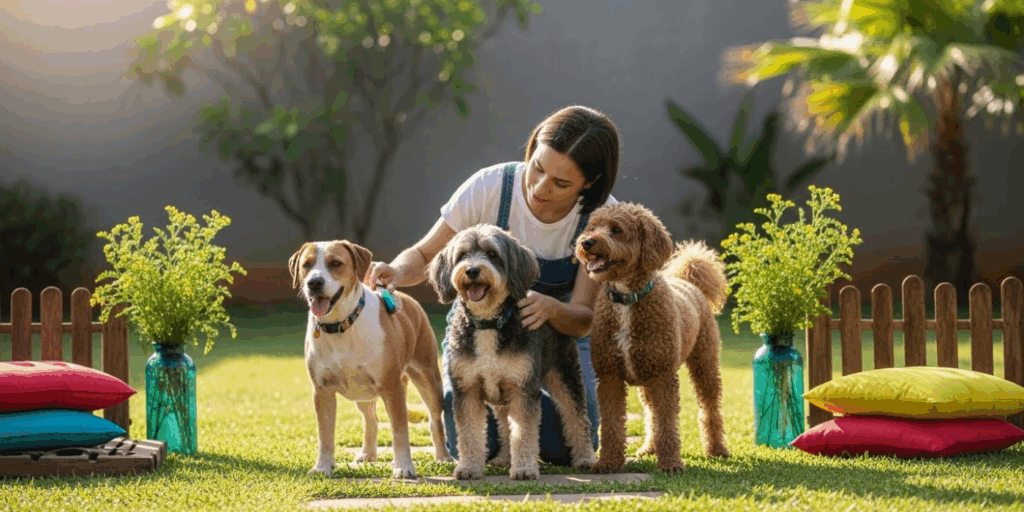
Not all dogs are created equal—and their coats are proof of that. Your dog’s coat type is one of the biggest determinants of how often they need a bath.
Let’s break it down simply:
Long or Curly Coats (Poodles, Shih Tzus, Afghan Hounds):
These breeds have hair that grows continuously—like human hair. Without regular grooming and bathing, it mats easily. Mats trap moisture, dirt, and bacteria, which can lead to skin infections. These dogs usually need a bath every 3 to 4 weeks, plus regular brushing in between. Skipping baths? You’re inviting trouble.
Short and Smooth Coats (Beagles, Boxers, Dachshunds):
These pups are low-maintenance champions. Their short fur doesn’t hold onto dirt as easily, and their skin naturally distributes oils well. Many of these breeds can go 6 to 8 weeks between baths—sometimes even longer. A quick wipe-down with a damp cloth after muddy walks might be all they need.
Double Coats (Huskies, Golden Retrievers, German Shepherds):
These dogs have a thick undercoat and a longer outer coat. They shed heavily—especially in spring and fall. Bathing too often can disrupt their natural shedding cycle and irritate their skin. Aim for every 6 to 8 weeks, but brush them daily during shedding season. Brushing removes loose fur and redistributes oils, making baths less necessary.
Hairless Breeds (Chinese Crested, Xoloitzcuintli):
Yes, they’re hairless—but they’re not odorless. Their skin produces oil and can get sunburned or clogged with dirt. These pups often need a bath once a week or every 10 days, plus moisturizing lotion to keep their skin soft.
And don’t forget skin conditions. If your dog has allergies, eczema, or hot spots, your vet might recommend medicated baths 1–2 times per week. In these cases, follow your vet’s advice—not the internet.
Pro tip: Always use a dog-specific shampoo. Human shampoos are too harsh. They’re pH-balanced for human skin (around 5.5), while dog skin sits closer to 7.0. Using human shampoo can throw off your dog’s natural pH, leading to irritation, itching, and even infections.
The Real-Life Dilemma: Mud Puddles, Beach Trips, and “Doggy Smell”
Let’s get real for a second. Life with a dog isn’t always picture-perfect.
Remember last weekend? You took your Labrador to the park. He jumped into a puddle, rolled in something unidentifiable, then shook off directly onto your clean couch. Now your living room smells like a swampy dog park.
You’re not alone. And you’re not a bad pet parent for wanting to wash him immediately.
Here’s the truth: sometimes, you need to bathe your dog more often than the “ideal” schedule suggests—and that’s okay.
Life happens.
- Rainy hikes? Bath after.
- Swimming in the lake? Rinse them off when you get home.
- Rolling in dead skunk? That’s an emergency bath. (Yes, we’ll cover skunk odor later.)
The key is balance. If you bathe your dog because they got dirty, that’s not over-bathing—that’s responsible care. But if you’re bathing them every 5 days just because you can, you’re risking dry skin.
So how do you tell the difference?
Ask yourself:
✅ Is the dirt visible and stuck in the fur?
✅ Does the smell linger even after a quick wipe-down?
✅ Is your dog scratching more than usual?
✅ Are their paws sticky or smelly after walks?
If the answer is yes to any of these, give them a bath.
If the answer is no? A quick wipe with a dog-safe grooming wipe (available at any pet store) might be enough.
And here’s a game-changer: rinse your dog’s paws after every walk. Most of the dirt, salt, chemicals, and allergens your dog picks up come from their paws. A quick rinse with warm water and a towel—especially in winter or after hiking—can cut down on baths by 30% or more.
Think of it like washing your hands after coming inside. Simple. Effective. Preventative.
Signs You’re Bathing Too Much (And How to Fix It)
It’s easy to think: “More baths = cleaner dog = happier dog.” But over-bathing can backfire—big time.
Here are the red flags your dog is getting washed too often:
🔹 Dry, flaky skin – Like dandruff, but on your dog.
🔹 Excessive scratching or licking – Especially around the tail, belly, or paws.
🔹 Dull, brittle coat – No shine. Feels straw-like.
🔹 Red, irritated patches – Especially near the ears, armpits, or groin.
🔹 Increased shedding – Ironically, stripping natural oils can make your dog shed more.
I once had a client who bathed her Golden Retriever every 10 days because she “didn’t like the smell.” After 3 months, her dog’s coat turned brittle, and she developed hot spots. We switched to baths every 6 weeks, added an omega-3 supplement, and started brushing daily. Within 4 weeks, her coat was glossy again—and the smell? Gone.
Here’s how to fix over-bathing:
- Extend the time between baths by at least 2 weeks.
- Use a gentle, moisturizing shampoo with ingredients like oatmeal, aloe vera, or coconut oil.
- Brush your dog 3–4 times a week—this spreads natural oils and removes loose dirt.
- Try dry shampoo sprays between baths. They’re perfect for quick freshening up.
- Check your water temperature. Hot water strips oils faster. Use lukewarm water instead.
And if you’re still unsure? Talk to your groomer or vet. They’ve seen it all—and they can help you find your dog’s sweet spot.
Special Situations: Swimming, Skunks, and Senior Dogs
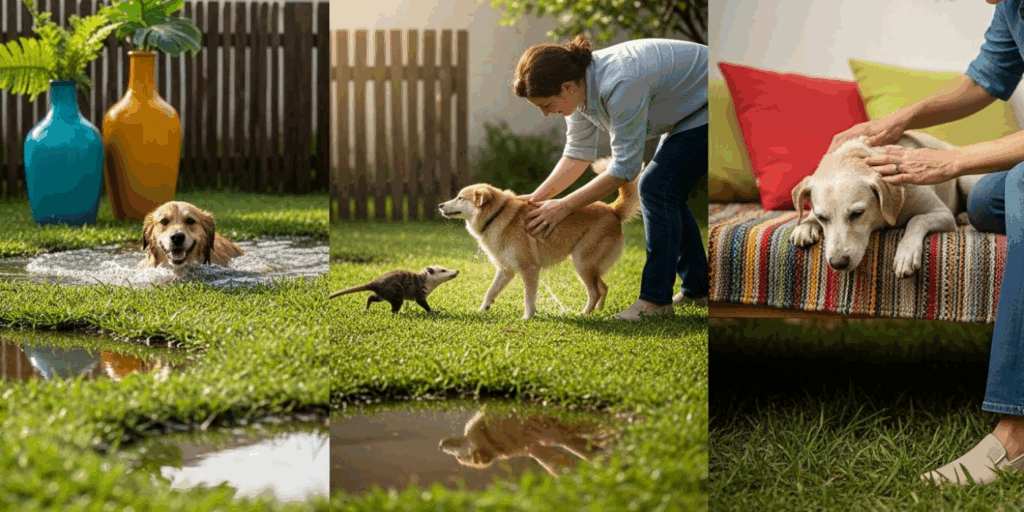
Some situations demand special care.
After Swimming (Pool, Ocean, or Lake):
Chlorine, salt, and algae can dry out your dog’s skin and coat. Rinse them with fresh water after every swim—even if they don’t look dirty. For frequent swimmers, a gentle bath once a week is fine, but always follow up with a conditioner to restore moisture.
Skunk Encounters:
Yikes. If your dog gets sprayed, don’t use tomato juice (it’s a myth). Use a vet-recommended skunk odor remover or make your own:
- 1 quart 3% hydrogen peroxide
- ¼ cup baking soda
- 1 tsp liquid dish soap
Mix and apply immediately (don’t store—it loses potency). Rinse thoroughly. Then bathe with a mild dog shampoo. This is a one-time emergency bath—don’t repeat it weekly.
Senior Dogs or Dogs with Mobility Issues:
Older dogs may have arthritis, thinning skin, or difficulty grooming themselves. They may need baths more often—but be gentle. Use a non-slip mat, warm water, and a soft brush. Consider a bath at the vet if they’re too stiff to handle at home.
Puppies:
Wait until they’re at least 8–12 weeks old before their first full bath. Before that, spot-clean with a damp cloth. Use a puppy-safe shampoo, and never bathe them if they’re not fully vaccinated (they’re more susceptible to illness).
Making Bath Time Less Stressful (For You and Your Dog)
Let’s be honest: bath time isn’t always fun. For some dogs, it’s pure terror. For others, it’s a chance to splash like a puppy. But you can turn it into a positive experience.
Here’s how:
✅ Start early. Puppies who get used to baths at 12–16 weeks grow into calm adult bathers.
✅ Use treats and praise. Give a treat before, during, and after. Make it a game.
✅ Keep it warm. Cold water = stress. Warm room + warm water = calm pup.
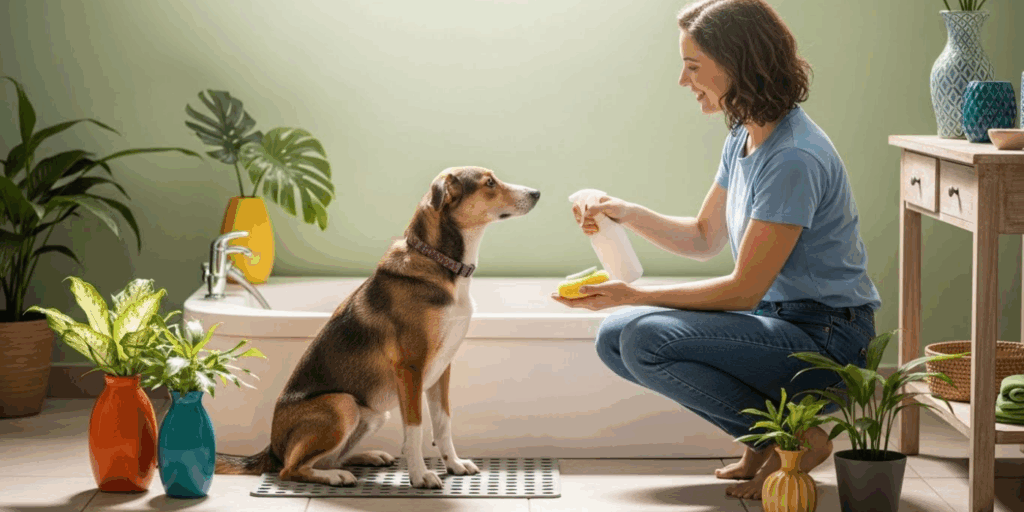
✅ Use a non-slip mat. Slippery tubs are scary. A rubber mat gives them confidence.
✅ Don’t rush. Take your time. Talk softly. Sing if you want.
✅ Dry them properly. Use a towel, then a low-heat blow dryer if they tolerate it. Never leave them damp—mold and odor can grow in damp fur.
And if your dog absolutely hates baths? Try waterless grooming sprays or dry shampoos. They’re not a full replacement, but they’re a lifesaver between baths.
The Bottom Line: Listen to Your Dog, Not the Calendar
So, how often should you bathe your dog?
The real answer?
👉 When they need it—not when the calendar says so.
For most dogs: every 4 to 6 weeks.
For active, muddy, or long-haired breeds: every 3 to 4 weeks.
For short-haired, indoor dogs: every 6 to 8 weeks (or longer).
For dogs with skin issues: follow your vet’s advice.
But here’s the secret no one tells you: your dog’s hygiene isn’t just about cleanliness. It’s about connection.
Every time you bathe your dog, you’re not just removing dirt—you’re checking their skin for lumps, ticks, or sores. You’re massaging their coat, soothing their muscles, and spending quiet, focused time with them.
That’s the real benefit.
So next time you’re debating whether to bathe your pup, pause.
Look at their coat.
Smell their paws.
Feel their skin.
Ask yourself: Do they need it? Or am I just trying to make the house smell better?
If it’s the first? Go ahead.
If it’s the second? Maybe just a paw wipe will do.
Your dog doesn’t care about perfection. They care about you.
And that’s the best kind of clean.
Final Thought: It’s Not About Perfection—It’s About Presence
You don’t need to bathe your dog on the same day every month. You don’t need to buy the most expensive shampoo. You don’t need to follow every TikTok trend.
All you need is awareness.
Pay attention. Listen. Observe. Adjust.
Your dog will thank you—with wagging tails, happy licks, and that unmistakable, cozy dog smell… the one that says, “I’m safe. I’m loved. I’m home.”
What’s your dog’s bathing routine?
Do they love baths—or do they turn into a slippery, panicked noodle?
Have you ever tried a dry shampoo?
Share your stories in the comments below. Let’s help each other be better dog parents—one bath at a time. 🐾

Lucas Neto is a passionate animal enthusiast who has spent years learning, caring, and connecting with pets of all kinds. His fascination with animals began in childhood and grew into a lifelong dedication to understanding their behavior, needs, and unique personalities. Whether rescuing strays, supporting responsible pet care, or simply enjoying the everyday joy that animals bring, Lucas is committed to sharing his knowledge and love for pets with others.