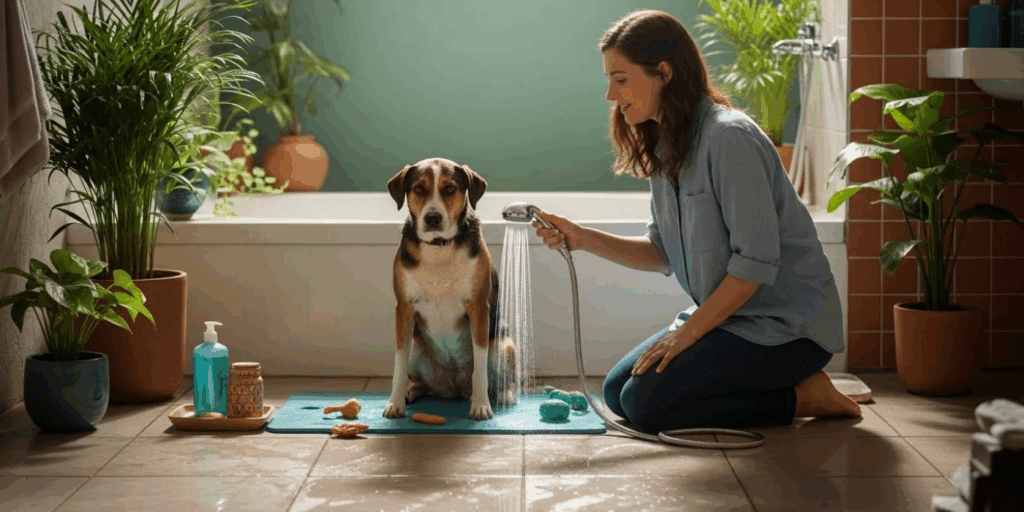
You’ve tried everything. The bath toy, the treats, the soothing voice… but the moment you turn on the faucet, your dog freezes—ears pinned back, body trembling, eyes wide with pure panic. You’re not alone. Millions of dog owners face this same heart-wrenching scene: the dog who loves cuddles, chases squirrels, and begs for belly rubs… but turns into a trembling wreck at the sight of water.
Bathing a water-averse dog isn’t just inconvenient—it’s a source of stress for both you and your pet. And let’s be honest: no one wants to wrestle their best friend into a tub while dodging flying droplets and desperate whimpers. But here’s the good news: fear of water isn’t permanent. With patience, the right approach, and a little empathy, you can transform bath time from a battle into a bond-building moment.
In this guide, we’ll walk you through exactly how to bathe a dog who’s terrified of water—step by step, without force, without fear, and without guilt. We’ll explore why dogs fear water in the first place, how to build trust before the first drop falls, practical techniques that actually work, and how to make bath time something your dog might even look forward to. Whether your pup had a bad experience as a puppy, was never introduced to water properly, or just finds the sensation overwhelming, this guide is your roadmap to calm, safe, and successful baths.
Let’s turn the tide—gently—on bath-time trauma.
Why Do Dogs Fear Water? Understanding the Root Cause
Before you try to fix the problem, you need to understand it. Dogs don’t fear water because they’re “difficult” or “stubborn.” They fear it because, to them, it feels unpredictable, unfamiliar, and sometimes even threatening.
Think about it from their perspective. Water is loud. It splashes. It rushes. It drips down their ears, gets in their eyes, and makes their fur feel heavy and cold—all sensations they didn’t ask for. For many dogs, especially those adopted from shelters or rescue situations, the first encounter with water might have been traumatic: a forced dunking, a slippery tub, a blow dryer that sounded like a jet engine, or worse—a punishment.
Even if your dog was raised in a loving home, their breed or individual temperament might make them more sensitive. Breeds like Greyhounds, Whippets, or Chihuahuas often have thin coats and little body fat, making them feel the cold more intensely. Dogs with anxiety disorders or those who’ve experienced neglect may associate water with loss of control—a terrifying feeling for any animal.
A 2021 study by the University of Pennsylvania’s School of Veterinary Medicine found that over 60% of dogs show signs of stress during bathing, with nearly 30% exhibiting extreme fear behaviors like hiding, shaking, or attempting to escape. The study emphasized that the biggest predictor of water fear wasn’t breed or age—it was the owner’s approach. Dogs who were rushed, restrained, or scolded during early baths were far more likely to develop lasting aversions.
So when your dog cowers at the sound of running water, they’re not being dramatic. They’re communicating: “I feel unsafe.”
Understanding this shifts everything. Instead of asking, “Why won’t they just get in the tub?” you start asking, “How can I make them feel safe?” That mindset change is the first step toward real progress.
And here’s the beautiful part: dogs are incredibly forgiving. With time, consistency, and kindness, even the most water-phobic pup can learn to trust the process.
Building Trust Before the First Drop: The Pre-Bath Routine
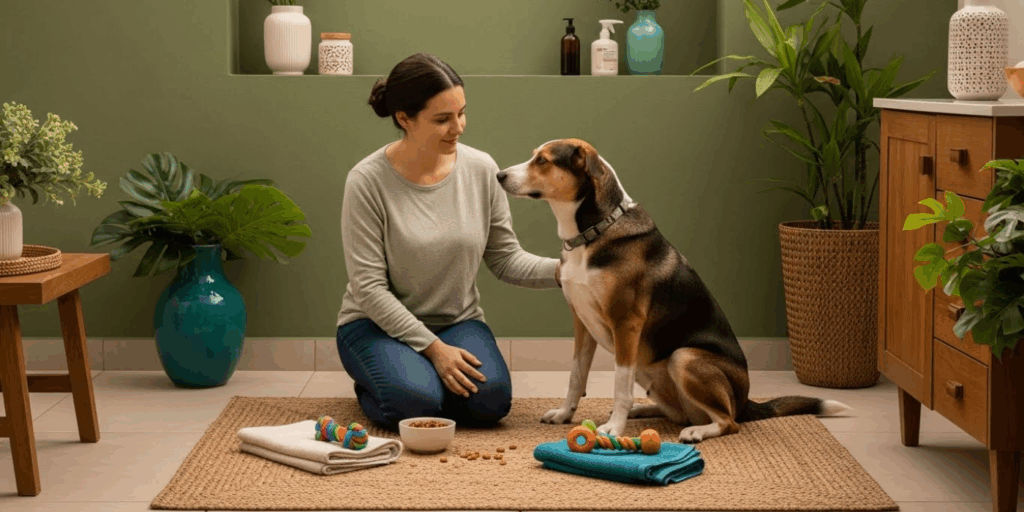
You wouldn’t walk into a dark room and turn on a blinding spotlight. So why do we do the same to our dogs with water?
The secret to bathing a fearful dog isn’t in the tub—it’s in the days, weeks, or even months leading up to it. This is where patience becomes your superpower.
Start by desensitizing your dog to water-related stimuli—slowly, gently, and without pressure. Begin with something as simple as turning on the faucet while your dog is in another room. Just let them hear it. Then, gradually move closer. Sit nearby with a treat. If they stay calm? Reward them. If they flinch? Don’t push. Wait. Try again tomorrow.
Next, introduce water in ways that feel playful, not threatening. Fill a shallow bowl with lukewarm water and let your dog investigate at their own pace. Place a few floating toys in it. Let them sniff, paw at it, maybe even take a sip. The goal isn’t to get them wet—it’s to show them that water isn’t dangerous. It’s just… water.
You can also use a damp washcloth to gently wipe their paws or belly while they’re relaxed. Pair it with praise and a treat. Do this for a few minutes a day. Over time, your dog will begin to associate dampness with comfort, not chaos.
One dog owner, Sarah from Portland, shared her story: “My rescue mix, Luna, would scream if I so much as brought out a towel. So I started by just letting her lick water droplets off my hand after washing dishes. Took two weeks. But now? She leans into the spray like it’s a spa treatment.”
That’s the magic of small wins.
Also, choose your timing wisely. Never bathe your dog right after a walk, when they’re overstimulated, or right before bedtime. Pick a calm time of day—after a nap, after a long walk when they’re tired but not frantic. Make sure the room is warm. Have a soft towel ready. Play gentle music. Create a ritual, not a ritual of dread.
Remember: you’re not trying to win a race. You’re building a foundation of trust. Every time you respect your dog’s boundaries, you’re rewriting their story about water.
The Gentle Bathing Technique: No Force, No Fear
Now that your dog is starting to feel more comfortable around water, it’s time for the real thing. But here’s the golden rule: never force them into the tub.
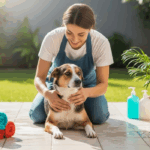
Instead, create a welcoming space. Use a non-slip mat (a yoga mat works great), lukewarm water (test it with your elbow—it should feel like a warm shower), and a handheld sprayer or cup for rinsing. Avoid the showerhead if it’s too loud or forceful. Many owners find a pitcher or a small watering can gives them better control and less noise.
Start by letting your dog step into the tub on their own. Stand beside them, offer treats, and say something soothing like, “Good job,” even if they just put one paw in. Wait. Be patient. If they retreat, that’s okay. Try again tomorrow.
Once they’re comfortable standing in the empty tub, turn on the water slowly—just a trickle—and let them hear it from a distance. Then, gently pour water over their back using the cup, avoiding the head at first. If they tense up, stop. Pet them. Offer a treat. Repeat.
Never pour water over their head until they’re completely relaxed. Instead, use a damp washcloth to clean their face. Most dogs tolerate this much better than direct water pressure.
Use a dog-safe, tear-free shampoo—and less is more. You don’t need a lather volcano. A small amount, massaged gently into their coat, is enough. Focus on areas that need it most: paws, belly, and tail. Keep the bath short—five to ten minutes max.
Pro tip: Have a helper. One person can offer treats and soothing words while the other gently rinses. Your dog will feel safer with two calm voices.
And here’s a game-changer: use positive reinforcement during the bath. Not just at the beginning or end—throughout. Every time your dog stays calm, even for a second, say “Yes!” and give a treat. This teaches them: Calm = good things happen.
One owner, Mark, used a peanut butter-filled Kong toy during baths. He’d freeze it first, then let his dog lick it while being washed. “It kept her distracted, and by the third bath, she was wagging her tail while I rinsed her legs.”
That’s not luck. That’s strategy.
Making Bath Time a Positive Ritual (Not a Chore)
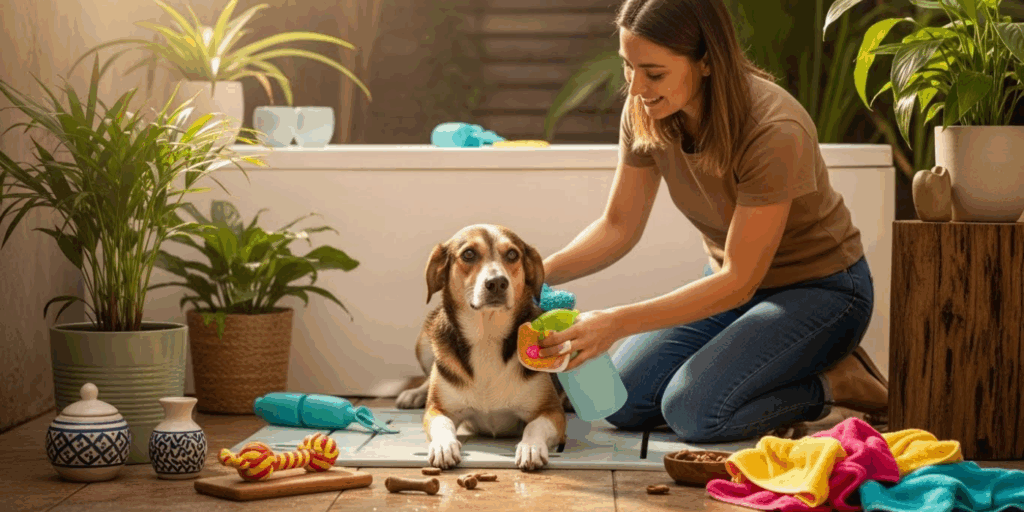
Once your dog starts tolerating—and even enjoying—bath time, it’s time to elevate the experience from “necessary evil” to “special moment.”
Turn it into a ritual. Use the same towel every time. Play the same calm music. Use the same gentle voice. Dogs thrive on predictability. When they know what to expect, fear loses its grip.
Consider bath time as bonding time. Talk to your dog softly. Sing a silly song. Stroke their ears while you rinse. Make it feel like a massage, not a medical procedure.
After the bath, skip the noisy blow dryer—at least at first. Instead, wrap them in a warm, soft towel and gently pat them dry. Let them shake if they want to (it’s natural!), then follow up with a treat, a short walk, or a favorite cuddle spot.
And here’s a powerful trick: reward them for calm behavior after the bath. Don’t just give a treat when they’re clean—give it when they’re relaxed afterward. This reinforces that the entire process leads to good things.
You can even start a “bath party.” After drying off, let them play with a favorite toy or have a special snack they only get post-bath. Over time, they’ll start associating the word “bath” with excitement, not anxiety.
One family in Austin started calling bath time “Splash Time!” and used a special toy—their dog’s favorite rubber duck—that only came out during baths. Within weeks, their dog would trot to the bathroom the moment they heard the phrase.
You don’t need a rubber duck. You just need consistency, joy, and intention.
And remember: not every bath needs to be perfect. Some days, your dog might only tolerate a quick wipe-down. That’s okay. Progress isn’t linear. Celebrate the tiny victories.
When to Seek Professional Help (And What to Look For)
Sometimes, despite your best efforts, fear persists. And that’s not your fault.
If your dog continues to panic—hiding, urinating, trying to escape, or even growling or snapping during bath attempts—it may be time to consult a professional. This isn’t failure. It’s wisdom.
A certified dog behaviorist or a veterinary behaviorist can help identify if anxiety, past trauma, or even a medical issue (like ear pain or skin sensitivity) is contributing to the fear. In some cases, calming aids like pheromone sprays (Adaptil), anxiety wraps (Thundershirts), or even short-term anti-anxiety medication prescribed by a vet can make a world of difference.
Also, consider a professional groomer who specializes in fearful dogs. Many offer “low-stress” bathing services—quiet rooms, gentle handling, and no forced restraint. It’s an investment, yes, but it can buy you time to rebuild your dog’s confidence at home.
Don’t be afraid to ask questions: “Do you use positive reinforcement?” “Can I stay with my dog?” “Will you let them move at their own pace?” A good groomer will welcome your input and adapt to your dog’s needs.
And if you’re ever tempted to use a “quick fix”—like a waterless foam spray or a dry shampoo every week—pause. While these can be useful in between baths, they shouldn’t replace the long-term goal: helping your dog feel safe with water.
Your dog doesn’t need to love the tub. They just need to know they’re safe in it.
Final Thoughts: Bath Time as a Love Language
Bathing a fearful dog isn’t about cleanliness. It’s about connection.
It’s about saying, “I see your fear. I’m not going to rush you. I’m here with you.”
Every time you choose patience over pressure, you’re teaching your dog something deeper than how to stay clean. You’re teaching them that the world can be safe. That they can trust you. That even when things feel overwhelming, they’re not alone.
You don’t need to rush to a full bath. You don’t need to conquer the tub in one weekend. Progress is measured in quiet moments: a tail wag when the faucet turns on, a nose that sniffs the water instead of fleeing, a sigh of relief when the towel wraps around them.
These are the victories that matter.
So next time you hear that nervous whine, take a breath. Smile. Offer a treat. Say, “It’s okay.” And then, just be there.
Your dog doesn’t need a perfect bath.
They need a safe human.
And you?
You’re already doing better than you think.
What’s your biggest challenge when bathing your fearful dog?
Have you tried any of these techniques? Did one of them surprise you?
Share your story in the comments below—your experience might be the lifeline another owner needs.
And if this guide helped you—even just a little—please share it with someone who’s struggling. Because no dog should feel alone in the tub.
You’ve got this. And so does your pup.

Lucas Neto is a passionate animal enthusiast who has spent years learning, caring, and connecting with pets of all kinds. His fascination with animals began in childhood and grew into a lifelong dedication to understanding their behavior, needs, and unique personalities. Whether rescuing strays, supporting responsible pet care, or simply enjoying the everyday joy that animals bring, Lucas is committed to sharing his knowledge and love for pets with others.