

Introduction
Imagine this: you’re standing in the pet food aisle, overwhelmed by rows of colorful bags and bold claims—“grain-free!” “premium protein!” “veterinarian-recommended!”—but you’re left wondering, Which one is truly right for my dog? You’re not alone. With so many options on the market, choosing the best dog food can feel more like solving a puzzle than making a simple purchase. Yet, this decision is one of the most impactful you’ll make for your furry friend’s health, energy, and longevity.
In this guide, we’ll walk you through everything you need to know to choose the best dog food for your pet—not based on marketing hype, but on science, your dog’s individual needs, and practical wisdom from real-life experience. We’ll cover how to read labels like a pro, understand your dog’s life stage and breed-specific requirements, avoid common nutritional pitfalls, and even consider cost without compromising quality. By the end, you’ll feel confident selecting a food that fuels your dog’s tail wags, bright eyes, and joyful zoomies for years to come.
Understanding Your Dog’s Unique Nutritional Needs
Not all dogs are created equal—and that includes their dietary needs. A Chihuahua doesn’t need the same food as a Great Dane, and a senior dog certainly has different requirements than a rambunctious puppy. The first step in choosing the best dog food is understanding your dog as an individual.
Life stage matters. Puppies need higher levels of protein and fat to support rapid growth, while adult dogs require balanced nutrition for maintenance. Senior dogs often benefit from joint-supporting ingredients like glucosaponins or omega-3 fatty acids and fewer calories to prevent weight gain. Feeding your adult dog puppy food long-term, for example, could lead to obesity or nutrient imbalances.
Breed and size play a role too. Large breeds are prone to joint issues like hip dysplasia, so foods enriched with chondroitin and glucosamine can be beneficial. Smaller breeds often have faster metabolisms and may do better with smaller kibble sizes and calorie-dense formulas. Even activity level counts—high-energy working dogs or agility competitors need more protein and fat than a couch-loving senior.
Take Max, a 3-year-old Border Collie who spends his weekends herding sheep. His ideal diet includes high-quality animal protein and complex carbs for sustained energy. Compare that to Bella, a 10-year-old Pug who naps more than she walks—she needs a lower-calorie, easily digestible formula with added antioxidants for immune support.
Always consider health conditions. Dogs with allergies may need limited-ingredient diets; those with kidney disease might require reduced phosphorus and protein. When in doubt, consult your vet—they can help tailor a nutrition plan based on bloodwork, breed predispositions, and lifestyle.
Understanding your dog’s unique profile sets the foundation for everything else. After all, the “best” dog food isn’t a one-size-fits-all product—it’s the one that fits your dog perfectly.
Decoding Dog Food Labels: What to Look For (and Avoid)
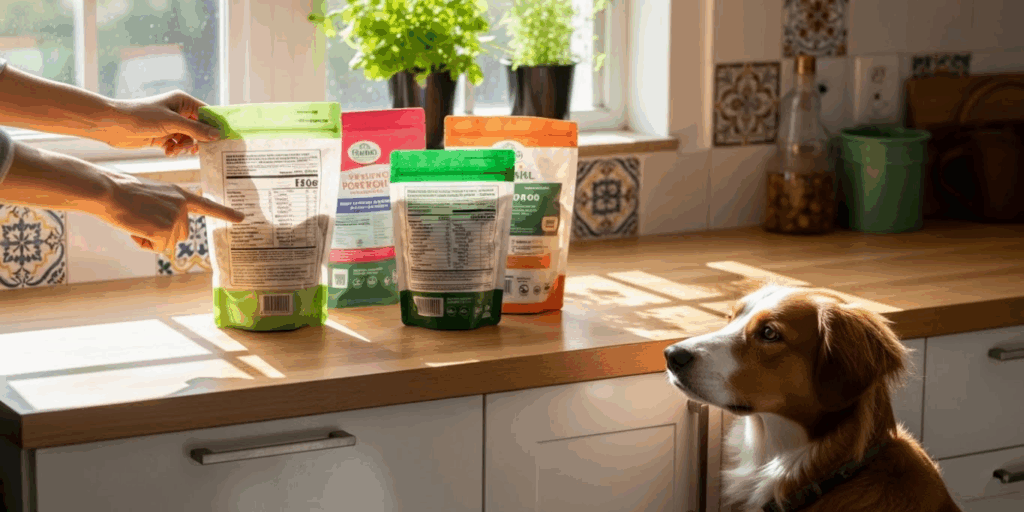
Ever tried reading a dog food ingredient list and felt like you needed a chemistry degree? You’re not imagining it—pet food labels can be confusing by design. But with a few simple guidelines, you can cut through the noise and spot quality food in seconds.
Start with the first five ingredients. According to AAFCO (the Association of American Feed Control Officials), ingredients are listed by weight before cooking. That means if “chicken” is first, it’s a good sign. If it’s “corn,” “wheat,” or “by-products,” proceed with caution. High-quality dog foods prioritize real meat, fish, or poultry as the primary ingredient—not vague terms like “meat meal” or “animal digest.”
Next, watch for red flags:
- Artificial preservatives like BHA, BHT, or ethoxyquin (linked to health concerns in some studies).
- Excessive fillers such as corn syrup, artificial colors, or generic “poultry fat.”
- Vague terms like “natural flavor” without specifying the source.
On the flip side, look for:
- Named protein sources: “Salmon,” “lamb,” or “beef”—not just “meat.”
- Whole grains or complex carbs: Brown rice, oats, sweet potatoes—they provide sustained energy.
- Added nutrients: Omega-3s (from fish oil), probiotics, and antioxidants like vitamin E or blueberries.
Don’t be fooled by marketing buzzwords. “Grain-free” isn’t automatically better—some grain-free diets have been linked to heart issues (dilated cardiomyopathy) in certain breeds, according to FDA investigations. Similarly, “human-grade” isn’t a regulated term.
Pro tip: Check the AAFCO statement on the bag. It should say the food is “complete and balanced” for your dog’s life stage (e.g., “for adult maintenance” or “for growth”). If it says “intended for intermittent or supplemental feeding only,” it’s not a full diet.
Think of the label as your dog’s nutritional résumé. If it’s vague, sketchy, or full of mystery ingredients, keep looking. Your dog deserves transparency—and real food.
Dry, Wet, Raw, or Homemade? Exploring Food Types and Their Pros and Cons
Once you know what to look for, the next question is: what form should your dog’s food take? Let’s break down the four most common options.
1. Dry Kibble
Pros: Convenient, long shelf life, cost-effective, and can support dental health (though this is debated).
Cons: Lower moisture content (which can be problematic for dogs who don’t drink enough water), and often higher in carbs.
Best for: Most dogs, especially those with no special dietary needs or picky eaters who benefit from consistent texture.
2. Wet/Canned Food
Pros: Higher moisture (great for kidney health and hydration), often more palatable, and usually contains more protein and fewer carbs.
Cons: More expensive, shorter shelf life once opened, and less convenient for travel.
Best for: Senior dogs, dogs with dental issues, or those needing extra hydration.
3. Raw Diets (Commercial or DIY)
Pros: Mimics a dog’s ancestral diet; some owners report shinier coats, better digestion, and higher energy.
Cons: Risk of bacterial contamination (like salmonella), nutritional imbalances if not carefully formulated, and higher cost. The FDA and AVMA advise caution, especially in households with young children or immunocompromised individuals.
Best for: Experienced pet owners willing to research thoroughly and work with a veterinary nutritionist.
4. Homemade Meals
Pros: Full control over ingredients; ideal for dogs with severe allergies or sensitivities.
Cons: Time-consuming and very easy to get wrong. Many homemade recipes lack essential nutrients like calcium or taurine.
Tip: If you go this route, use a recipe formulated by a board-certified veterinary nutritionist (sites like BalanceIT.com can help).
Many owners find success with a mixed approach—for example, dry kibble as a base with a spoonful of wet food or fresh veggies added for moisture and flavor. The key is balance, safety, and consistency.
Remember: sudden diet changes can upset your dog’s stomach. Always transition foods gradually over 7–10 days.
Budget vs. Quality: Getting the Best Value Without Compromising Health
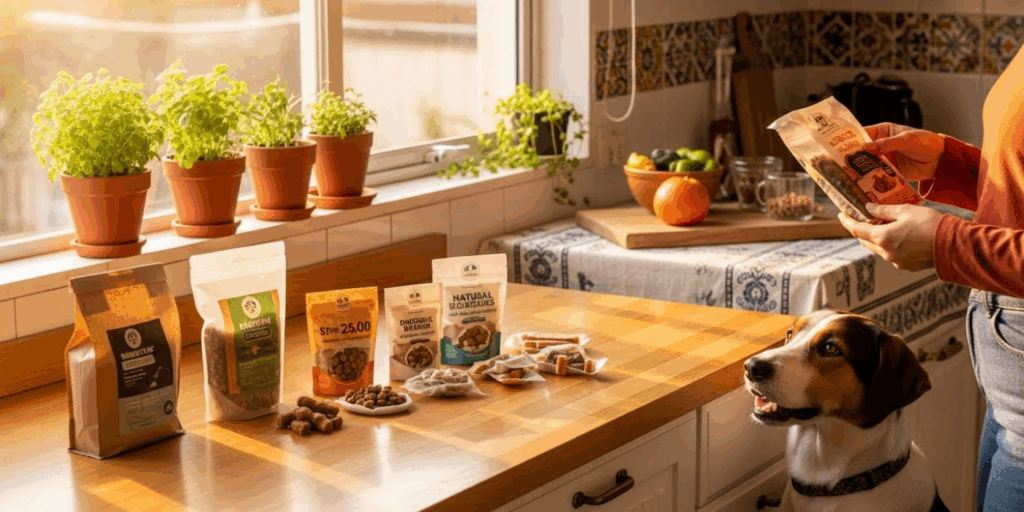
Let’s be real: premium dog food can be expensive. A 30-pound bag of high-end kibble might cost as much as your weekly grocery run. But that doesn’t mean you have to choose between your wallet and your dog’s well-being. Smart shopping can help you find excellent food at a reasonable price.
First, calculate cost per day—not per bag. A $70 bag that lasts 6 weeks ($1.66/day) might actually be cheaper than a $40 bag that lasts only 3 weeks ($1.90/day). Check feeding guidelines: higher-quality foods are often more nutrient-dense, so your dog eats less.
Look for sales, subscriptions, and loyalty programs. Many pet retailers (like Chewy or Petco) offer 5–30% discounts on auto-ship orders. You can also sign up for brand newsletters for coupons or free samples.
Consider store brands with strong reputations. Some big-box retailers (like Costco’s Kirkland Signature) produce dog food in the same facilities as premium brands—and at a fraction of the cost. Just verify they meet AAFCO standards and use quality ingredients.
Avoid the cheapest options. Ultra-low-cost foods often use “4D meats” (from diseased, dying, or dead animals) and excessive fillers. These may save you $10 today but could lead to vet bills tomorrow due to poor digestion, skin issues, or obesity.
Here’s a practical tip: Invest in quality for the base diet, and supplement smartly. For example, feed a good mid-range kibble and add fresh cooked chicken, pumpkin, or fish oil at home—this boosts nutrition without breaking the bank.
At the end of the day, your dog’s health is an investment. As the saying goes, “You pay now, or you pay later”—either at the checkout counter or the vet’s office.
Listening to Your Dog: Signs You’ve Chosen the Right (or Wrong) Food
Your dog can’t tell you if their food is working—but their body will. Pay close attention to these everyday signs to gauge whether their diet is a match.
Signs of a good fit:
- Shiny coat and healthy skin (no excessive itching or dandruff)
- Consistent, firm stools
- Stable, healthy weight
- Good energy levels (not lethargic, not hyper)
- Bright eyes and clean teeth
Warning signs to watch for:
- Chronic gas or diarrhea
- Frequent scratching, ear infections, or hot spots (possible food allergies)
- Weight gain or loss despite consistent feeding
- Lethargy or lack of interest in meals
- Excessive shedding or dull coat
For example, when Sarah switched her French Bulldog, Oscar, from a corn-heavy kibble to a limited-ingredient duck-and-sweet-potato formula, his constant ear infections disappeared within weeks. Meanwhile, Mark noticed his Labrador started gaining weight on a “grain-free” food loaded with peas and lentils—once he switched to a balanced, moderate-protein kibble, the pounds stabilized.
Keep a food journal. Note what you feed, how much, and any changes in behavior or health. This can help you (and your vet) identify patterns quickly.
And remember: just because a food is popular or recommended online doesn’t mean it’s right for your dog. Every pup is unique. Trust your observations over influencer reviews.
The Bigger Picture: Nutrition as an Act of Love
Choosing the best dog food isn’t just about ingredients or labels—it’s about showing up for your best friend in one of the most fundamental ways: nourishment. In a world full of ultra-processed options and clever marketing, taking the time to understand what truly fuels your dog’s body is a quiet, powerful form of care.
Think of it this way: every meal is a chance to support their joints as they leap after a ball, their immune system as they explore the park, and their heart as they curl up beside you at night. Good nutrition isn’t glamorous, but it’s the bedrock of a long, vibrant life together.
And you don’t need to be perfect. Maybe you can’t afford organic raw food—but you can choose a kibble with real chicken as the first ingredient. Maybe you add a spoonful of pumpkin for fiber or swap in canned food twice a week for extra hydration. These small, consistent choices add up.
Your dog doesn’t care about Instagrammable bowls or trendy superfoods. They care that you’re paying attention—that you notice when they scratch too much or slow down on walks. That you’re willing to learn, adjust, and advocate for them.
That’s the heart of pet parenting: love in action.
Conclusion
Choosing the best dog food for your pet doesn’t have to be overwhelming. By understanding your dog’s unique needs—based on age, size, activity level, and health—you’ve already taken the most important step. Reading labels critically helps you avoid fillers and focus on real nutrition. Exploring different food types (dry, wet, raw, or homemade) allows you to find what works best for your lifestyle and your dog’s preferences. And yes, you can balance quality with budget by calculating true value and making smart trade-offs.
Most importantly, stay attuned to your dog’s response. Their energy, coat, digestion, and overall demeanor will tell you whether you’re on the right track. Nutrition isn’t a one-time decision—it’s an ongoing conversation between you and your pet.
So take a deep breath the next time you’re in that pet food aisle. You’ve got this. And your dog? They’re already thanking you—with every wag, lick, and happy sigh.
Now we’d love to hear from you! What’s your go-to dog food brand, and what made you choose it? Have you noticed a big change in your pup after switching diets? Share your story in the comments below—your experience could help another dog parent make a confident choice! 🐾

Lucas Neto is a passionate animal enthusiast who has spent years learning, caring, and connecting with pets of all kinds. His fascination with animals began in childhood and grew into a lifelong dedication to understanding their behavior, needs, and unique personalities. Whether rescuing strays, supporting responsible pet care, or simply enjoying the everyday joy that animals bring, Lucas is committed to sharing his knowledge and love for pets with others.