Introduction
Imagine this: you’re strolling through the park with your dog, enjoying the fresh air—when suddenly, their collar slips off, and they dart toward a squirrel with zero hesitation. Panic sets in. Or maybe your pup comes home from a walk with red, irritated skin under their collar, and you’re left wondering, “Is this really the right fit?” Choosing the right collar for your dog might seem like a simple task, but it’s actually one of the most important decisions you’ll make for their safety, comfort, and even their behavior.
In this guide, we’ll walk you through everything you need to know to pick the perfect collar for your four-legged friend. From understanding different collar types and materials to matching them to your dog’s size, temperament, and lifestyle, we’ve got you covered. Whether you’re a new pet parent or a seasoned dog lover shopping for an upgrade, this article will help you make an informed, confident choice. After all, the right collar isn’t just a fashion statement—it’s a vital tool for communication, identification, and care.
Understanding the Different Types of Dog Collars
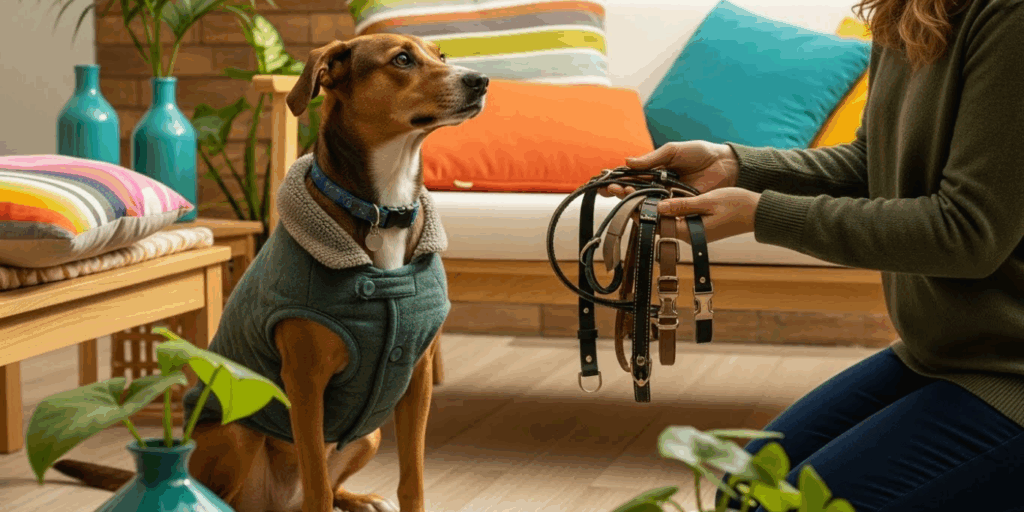
Not all dog collars are created equal—and that’s a good thing! The variety available today means there’s likely a perfect option for your pup’s unique needs. Let’s break down the most common types:
- Flat Collars: These are the classic, everyday collars made from nylon or leather. They’re ideal for dogs who don’t pull on the leash and are great for holding ID tags.
- Martingale Collars: Often called “limited-slip” collars, these tighten slightly when a dog pulls, preventing escape without choking. They’re especially popular for sighthounds like Greyhounds and Whippets, whose heads are narrower than their necks.
- Head Collars (e.g., Gentle Leader): These fit around the dog’s muzzle and neck, offering gentle control for strong pullers or reactive dogs. Think of them as “seatbelts” for your pup—they guide rather than restrict.
- Harnesses (Collar Alternative): While not technically collars, harnesses are worth mentioning. They distribute pressure across the chest and shoulders, making them safer for dogs with tracheal issues or those who pull hard.
- Training Collars: Includes prong, choke, and electronic collars. While controversial, some trainers use them under strict supervision. However, many vets and behaviorists recommend positive reinforcement methods instead.
Choosing the right type starts with understanding your dog’s behavior. Is your pup calm on walks? A flat collar may suffice. Do they lunge at squirrels like it’s their job? A martingale or head collar might be better. Remember: a collar should never cause pain or discomfort—it should enhance control and safety.
Material Matters: Comfort, Durability, and Care
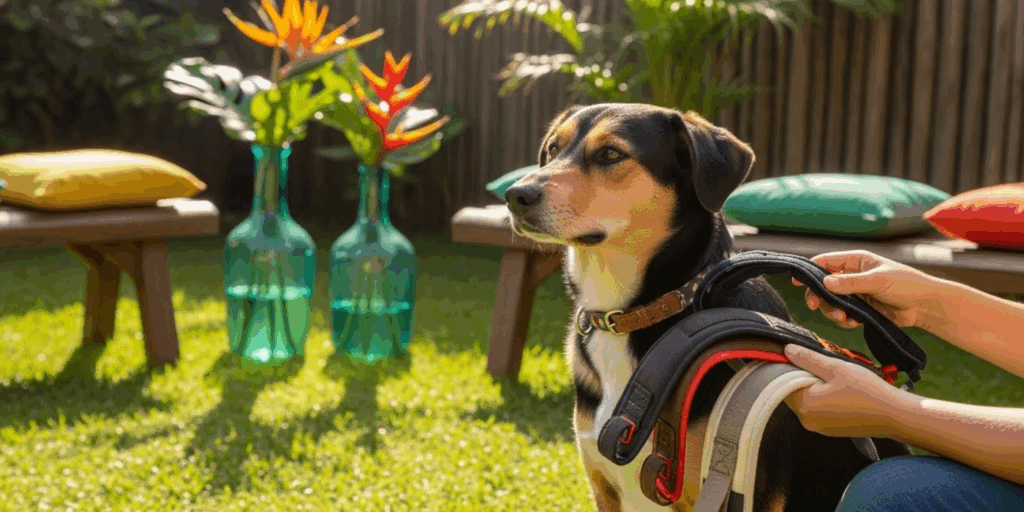
Once you’ve picked a collar type, the next decision is material. This affects not just how long your collar lasts, but how your dog feels wearing it.
Nylon is the most common material: lightweight, affordable, and easy to clean. Many come in reflective or waterproof versions—perfect for early-morning or rainy walks. However, cheap nylon can fray or cause skin irritation over time.
Leather collars offer a timeless look and excellent durability. They soften with use and are naturally breathable, reducing the risk of hot spots. That said, they require more maintenance—especially if your dog loves mud puddles or ocean swims. Saltwater and moisture can dry out leather, leading to cracks.
Biothane is a newer option gaining popularity. It’s a synthetic material that’s waterproof, odor-resistant, and incredibly easy to wipe clean. Great for dogs who spend time in lakes, snow, or muddy trails.
Fabric or Eco-Friendly Options: Some brands now offer collars made from recycled plastics, hemp, or organic cotton. These are soft and sustainable—but check for reinforced stitching, as they may not hold up as well under heavy use.
No matter the material, ensure it’s smooth against your dog’s skin. Run your fingers along the inside—any rough edges or stiff seams could cause chafing. And always let your dog “test drive” a new collar for short periods at home before heading out on a long walk.
Getting the Fit Just Right: Safety Starts with Sizing
A poorly fitted collar is more than just uncomfortable—it can be dangerous. Too loose, and your dog might slip out. Too tight, and it can restrict breathing or cause skin sores.
Here’s a simple rule: You should be able to fit two fingers comfortably between the collar and your dog’s neck. This applies to most collar types, though martingales and head collars have specific fitting guidelines (always follow the manufacturer’s instructions).
To measure your dog accurately:
- Use a soft tape measure (or a piece of string).
- Wrap it snugly—but not tightly—around the base of their neck, where the collar normally sits.
- Add about 1–2 inches for comfort, depending on your dog’s fur thickness.
Puppies and growing dogs need frequent size checks—sometimes weekly! Their necks can change rapidly during growth spurts. Even adult dogs may need adjustments if they gain or lose weight.
Watch for warning signs of a bad fit:
- Hair loss or redness around the neck
- Constant scratching at the collar
- The collar spins freely or hangs below the throat
And here’s a pro tip: avoid collars that “grow with your pup” unless they’re adjustable in precise increments. One-size-fits-all rarely works in the dog world.
Matching the Collar to Your Dog’s Lifestyle
Your dog’s daily routine should heavily influence your collar choice. A city-dwelling Chihuahua has very different needs than a farm-working Border Collie.
Urban Dogs: Prioritize visibility and ID. Look for collars with reflective stitching or LED attachments for evening walks. Ensure ID tags are securely attached—many cities require rabies and license tags by law.
Active or Outdoor Dogs: If your dog hikes, swims, or plays in rough terrain, durability is key. Waterproof Biothane or heavy-duty nylon with reinforced stitching will hold up better than delicate leather. Avoid metal hardware that can rust.
Senior or Medical-Needs Dogs: Older dogs or those with neck or spine issues may do better with a harness to avoid neck pressure. If a collar is necessary (for ID tags), choose a soft, wide design that distributes pressure evenly.
Escape Artists: Does your dog back out of collars like a magician? A martingale is your best friend. Its gentle tightening action prevents slipping without harming your pup.
Show or Therapy Dogs: These dogs often benefit from elegant, well-fitted leather collars that match their professional role—while still prioritizing comfort during long sessions.
Think of the collar as part of your dog’s “gear.” Just as you wouldn’t wear flip-flops on a mountain hike, your dog deserves gear suited to their adventures.
Safety, Identification, and Smart Features
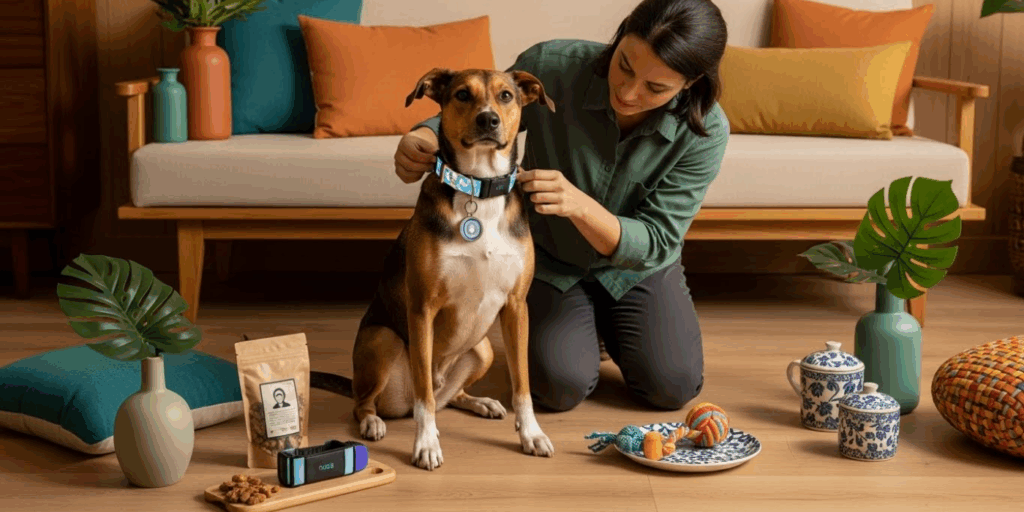
Beyond style and fit, a collar’s most critical job is keeping your dog safe and identifiable. According to the American Humane Society, 1 in 3 pets will get lost during their lifetime—and less than 20% of lost dogs are reunited with their owners. A collar with clear ID tags can change those odds dramatically.
Your dog’s collar should always include:
- Name (yours or your dog’s—both are helpful)
- Phone number
- City or neighborhood (optional but useful)
Avoid putting your full address on tags for privacy and safety reasons.
Consider upgrading to smart features:
- QR code tags that link to a digital profile with medical info and emergency contacts.
- GPS trackers that clip onto collars (though these often require a separate subscription).
- Breakaway collars for cats or small dogs that might get caught on fences—though these are generally not recommended for dogs on leash, as they can release during walks.
Also, double-check that all hardware—buckles, D-rings, and tag attachments—is sturdy. A loose tag that jingles constantly might stress noise-sensitive dogs, so use silencers or rubber tag covers if needed.
Pro tip: Replace worn tags every 1–2 years. Faded numbers or bent metal can make your info unreadable when it matters most.
Common Mistakes to Avoid
Even well-meaning pet parents can slip up when choosing a collar. Here are the top pitfalls—and how to dodge them:
- Choosing Style Over Function: That rhinestone-studded collar might look cute on Instagram, but is it safe? Prioritize safety and comfort first; fashion can come second.
- Using a Collar That’s Too Tight for “Control”: Choking your dog isn’t training—it’s harmful. Use positive reinforcement and proper tools like harnesses or head collars instead.
- Leaving a Collar On 24/7 Without Inspection: Collars should be removed during crate time or unsupervised play to prevent entanglement. Check weekly for wear, tear, and fit changes.
- Ignoring Breed-Specific Needs: Brachycephalic breeds (like Pugs or Bulldogs) are prone to breathing issues—avoid collars that put pressure on their tracheas.
- Assuming One Collar Fits All Activities: Many owners use different collars for different purposes—a martingale for walks, a soft flat collar for lounging, and a harness for running.
Remember: your dog can’t tell you when something hurts. Your observation and proactive care are their best defense.
Final Thoughts: It’s More Than Just a Collar
At the end of the day, your dog’s collar is a symbol of your bond—a small but powerful tool that keeps them safe, connected to you, and ready for life’s adventures. Choosing the right one shows that you see them not just as a pet, but as a cherished member of your family who deserves thoughtfulness and care.
We’ve covered types, materials, fit, lifestyle alignment, safety features, and common mistakes—but the most important factor is your dog’s individuality. What works for your neighbor’s Labrador might not suit your anxious rescue or your agile Terrier. Pay attention to their reactions, consult your vet or trainer if unsure, and never hesitate to try a different option if something doesn’t feel right.
Your pup trusts you with their comfort and safety. Choosing the right collar is one simple, meaningful way to honor that trust.
Conclusion
Choosing the right collar for your dog isn’t just about picking the prettiest design or the cheapest option—it’s a decision that impacts their health, safety, and daily happiness. From understanding the differences between flat, martingale, and head collars to selecting breathable materials and ensuring a proper fit, every detail matters. Remember to match the collar to your dog’s size, breed, behavior, and lifestyle, and always prioritize identification and safety features.
By taking the time to make an informed choice, you’re doing more than accessorizing—you’re actively caring for your companion. And in a world where so many dogs go missing or suffer from preventable collar-related injuries, your attention to this small detail can make a big difference.
So go ahead—measure your dog’s neck, assess their walking habits, and maybe even let them “choose” between two safe options (yes, some dogs have preferences!). Then head out on your next walk with confidence, knowing you’ve got the right gear for your best friend.
What kind of collar does your dog wear—and why? Share your experience in the comments below! Whether you swear by martingales, live by harnesses, or have a custom Biothane favorite, your story could help another pet parent make a better choice. Don’t forget to share this guide with fellow dog lovers—it might just help keep another pup safe and comfortable.

Lucas Neto is a passionate animal enthusiast who has spent years learning, caring, and connecting with pets of all kinds. His fascination with animals began in childhood and grew into a lifelong dedication to understanding their behavior, needs, and unique personalities. Whether rescuing strays, supporting responsible pet care, or simply enjoying the everyday joy that animals bring, Lucas is committed to sharing his knowledge and love for pets with others.