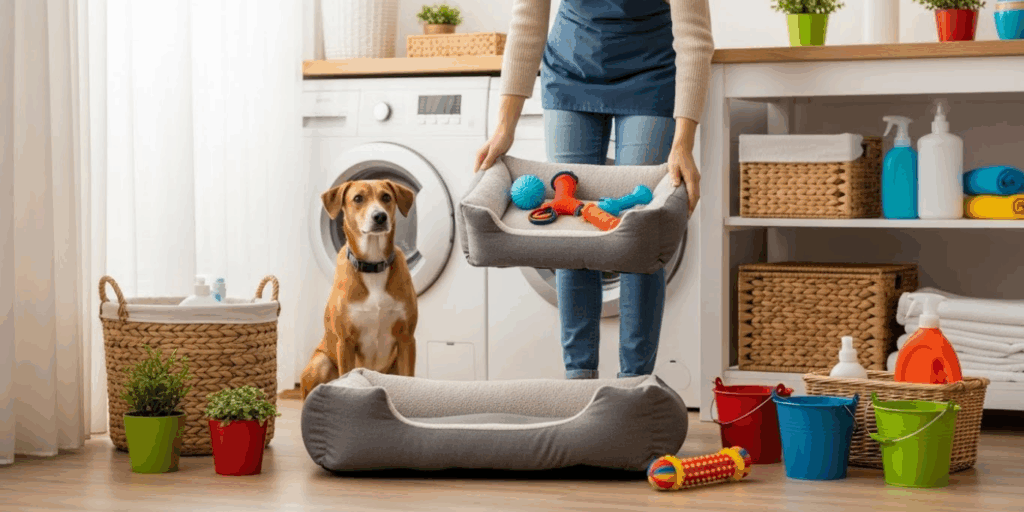
You know that cozy little spot where your dog curls up after a long walk? The one with the slobber stains, the faint smell of wet fur, and maybe a few stray hairs clinging to the fabric like tiny, furry ghosts? Yeah—that’s not just “doggy charm.” It’s a breeding ground for bacteria, allergens, and parasites if you’re not cleaning it regularly.
Let’s be real: most of us love our dogs like family. We let them sleep on our beds, share our couch, and even steal our socks. But when was the last time you washed their bed—or their favorite chew toy? If you’re scratching your head, you’re not alone. A 2023 survey by the American Pet Products Association found that nearly 60% of dog owners admit they clean their pet’s bedding less than once a month. And yet, studies from the CDC show that pet bedding can harbor more bacteria than your kitchen sink.
That’s not just gross—it’s a health risk. For your dog, and for you.
In this guide, we’ll walk you through exactly how to clean your dog’s bed and toys properly—not just to make them smell nice, but to keep your whole household healthier, happier, and safer. We’ll break down the science behind why cleaning matters, give you simple, step-by-step methods for different types of bedding and toys, share what NOT to do (yes, there are common mistakes), and even help you build a cleaning schedule that actually fits into your busy life.
By the end, you’ll know how to turn a chore into a small act of love—and maybe even feel a little more at ease when your pup jumps up next to you after a nap.
Why Cleaning Your Dog’s Bed and Toys Isn’t Just About Smell
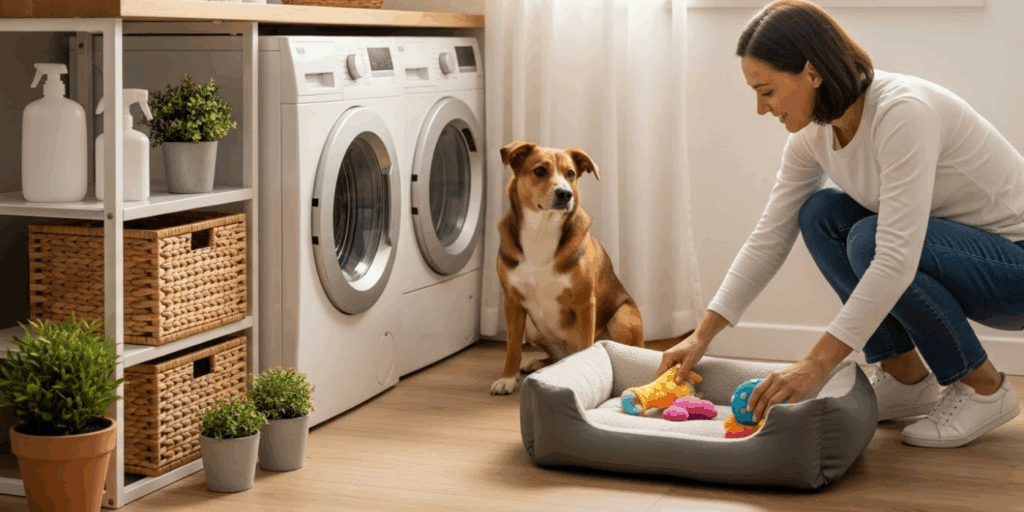
Let’s start with the obvious: dog beds and toys get dirty. But “dirty” doesn’t just mean “stinky” or “fuzzy.” It means they’re collecting skin cells, saliva, urine, fecal matter, pollen, dust mites, and even fleas or ticks if your pup spends time outdoors.
Think about it: your dog spends hours every day resting on that bed. Their skin sheds. They drool. They roll around in grass, dirt, or mud. Then they lick their toys—often obsessively. All that gets absorbed into the fabric, foam, or plastic.
And here’s the kicker: dogs have a much stronger immune system than humans. What might make you sick is just Tuesday for them. But that doesn’t mean they’re immune. Over time, unclean bedding can lead to skin irritations, ear infections, or even gastrointestinal issues from ingesting bacteria-laden fur or stuffing.
For humans? It’s even more concerning. People with allergies, asthma, or compromised immune systems (like young children or the elderly) can react badly to the allergens trapped in pet bedding. A study in the Journal of Allergy and Clinical Immunology found that homes with pets had significantly higher levels of dog allergens (Can f 1) in bedroom dust—especially when beds weren’t washed regularly.
So cleaning isn’t just about aesthetics. It’s about prevention.
Imagine this: your dog snoozes on their bed all afternoon. You sit down on the couch nearby, and your child crawls over to play with the same toy your dog just chewed on. That toy? It’s been in your dog’s mouth for 20 minutes. Now it’s in your toddler’s. No one wants to be the reason their kid gets sick because a toy went unwashed for three months.
This isn’t scare tactics—it’s science. And the good news? Fixing it is easier than you think.
The Right Way to Wash Your Dog’s Bed (Without Ruining It)
Not all dog beds are created equal. There’s the plush, fluffy kind. The orthopedic foam ones. The waterproof, wipe-clean mats. And then there’s the mysterious “machine-washable?” label that’s faded or missing.
Here’s your simple, foolproof guide:
Step 1: Check the Label
Always, always check the care instructions. If it says “spot clean only,” don’t toss it in the washer. If it’s removable cover + insert, separate them. Most modern dog beds have zip-off covers for this exact reason.
Step 2: Remove Debris First
Use a lint roller, a vacuum with a brush attachment, or even a rubber glove (dampened) to pick up loose hair, dirt, and debris. This prevents clogging your washing machine and makes the wash more effective.
Step 3: Pre-Treat Stains
Got a pee puddle? A muddy paw print? Dab it with a mix of equal parts white vinegar and water (vinegar kills odor-causing bacteria) or a pet-safe stain remover. Let it sit for 10–15 minutes before washing.
Step 4: Wash on Gentle Cycle
Use cold or warm water (never hot—it can shrink or warp materials). Choose a mild, fragrance-free detergent. Avoid fabric softeners—they can leave a residue that irritates your dog’s skin. If your dog has sensitive skin, consider a detergent labeled “hypoallergenic” or even one designed for baby clothes.
Pro Tip: Add half a cup of baking soda to the wash cycle. It neutralizes odors naturally and boosts cleaning power.
Step 5: Dry Thoroughly
Air-dry whenever possible. Heat from the dryer can damage memory foam or cause shrinkage. If you must use a dryer, choose low heat and add a couple of clean tennis balls to fluff the filling. Make sure the bed is 100% dry before letting your dog use it again—dampness invites mold.
For Non-Washable Beds:
If your bed is foam-only or has a non-removable cover, vacuum it well, then sprinkle baking soda liberally over the surface. Let it sit for 30 minutes, then vacuum again. You can also lightly mist it with a vinegar-water solution (1:1 ratio) and let it air out in sunlight—UV rays are nature’s disinfectant.
Cleaning Dog Toys: What Works, What Doesn’t
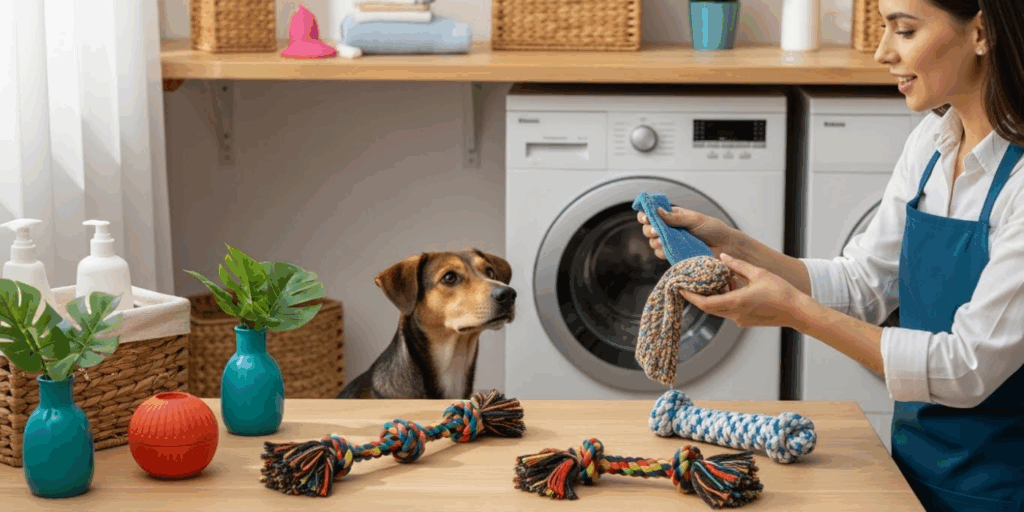
Toys are the most neglected part of pet hygiene—and the most dangerous if ignored.
Why? Because they’re licked, chewed, dropped in the yard, thrown in the mud, and then shoved back into your dog’s mouth. A 2021 study from the University of Arizona found that 80% of dog toys tested contained harmful bacteria like E. coli and Staphylococcus—the same bugs that cause food poisoning and skin infections in humans.
So how do you clean them safely?
Plush Toys:
Treat them like your kid’s stuffed animals. Put them in a mesh laundry bag (to prevent stuffing from escaping), wash on gentle cycle with cold water and pet-safe detergent. Air-dry. Avoid the dryer—it can melt internal squeakers or cause shrinking.
Rubber & Silicone Toys (like Kongs):
Hand wash with warm, soapy water. Use a bottle brush or old toothbrush to scrub crevices. Rinse well. For a deeper clean, soak them in a vinegar-water solution (1:1) for 15 minutes, then rinse. You can also boil them for 5–10 minutes (if they’re heat-safe—check the packaging).
Hard Plastic & Nylon Toys:
Same as above. Scrub with soap and water. Soak in vinegar solution. Dishwasher-safe? Many are! Place them on the top rack (no heat dry) and run on a gentle cycle.
Rope Toys:
These are tricky. They trap bacteria deep in the fibers. If they’re frayed or falling apart, it’s time to replace them. If they’re still in good shape, soak them in hot water with a splash of vinegar or pet-safe disinfectant for 30 minutes. Then hang them to dry in the sun.
Beware of the “Disinfectant Trap”:
Don’t use bleach, Lysol, or household cleaners on toys. Even diluted, these can leave toxic residues your dog will lick off. Stick to pet-safe options: vinegar, baking soda, or EPA-approved pet disinfectants like Virkon or PetSafe.
Bonus Tip: Rotate toys. If you have 10 toys, rotate them every week. This gives each one time to “rest,” dry out, and reduce bacterial buildup. Plus

Lucas Neto is a passionate animal enthusiast who has spent years learning, caring, and connecting with pets of all kinds. His fascination with animals began in childhood and grew into a lifelong dedication to understanding their behavior, needs, and unique personalities. Whether rescuing strays, supporting responsible pet care, or simply enjoying the everyday joy that animals bring, Lucas is committed to sharing his knowledge and love for pets with others.