Introduction
Imagine this: You’ve just bought a new bag of premium dog food—grain-free, high-protein, vet-recommended—and you’re excited to give your pup the best nutrition possible. But within hours of the first bowl, your dog is vomiting, has diarrhea, or suddenly refuses to eat. Sound familiar? Switching your dog’s food might seem simple, but doing it the wrong way can lead to digestive upset, stress, and even long-term health issues.
The good news? With the right approach, you can transition your dog to a new diet smoothly and safely—without turning mealtime into a battle or a health hazard. In this guide, we’ll walk you through everything you need to know to switch your dog’s food without issues. From understanding why gradual transitions matter to spotting red flags and choosing the right food, we’ve got you covered. Whether you’re upgrading their kibble, addressing allergies, or following your vet’s advice, these practical tips will help your dog adapt happily and healthily. Let’s dive in!
Why a Sudden Food Change Can Upset Your Dog’s Stomach
Dogs might seem tough, but their digestive systems are surprisingly sensitive. A sudden switch from one food to another—even if the new one is “better”—can throw their gut microbiome off balance. Think of it like this: If you ate nothing but pasta for weeks and then switched to raw kale and quinoa overnight, your stomach would likely protest. Dogs experience something similar.
Their digestive tract relies on consistent enzymes and beneficial bacteria to process food efficiently. When you abruptly change their diet, those microbes don’t have time to adjust, leading to bloating, gas, vomiting, or diarrhea. In some cases, it can even trigger pancreatitis or worsen existing conditions like inflammatory bowel disease.
Veterinarians consistently recommend a gradual transition over 7–10 days for this very reason. A study published by the American Kennel Club notes that nearly 60% of digestive issues in dogs occur after abrupt diet changes. That’s not just uncomfortable for your pet—it can also lead to dehydration or require a trip to the vet.
So before you dump the old food and fill the bowl with something new, remember: patience isn’t just a virtue—it’s a necessity for your dog’s digestive health.
The 7–10 Day Transition Plan: A Step-by-Step Guide
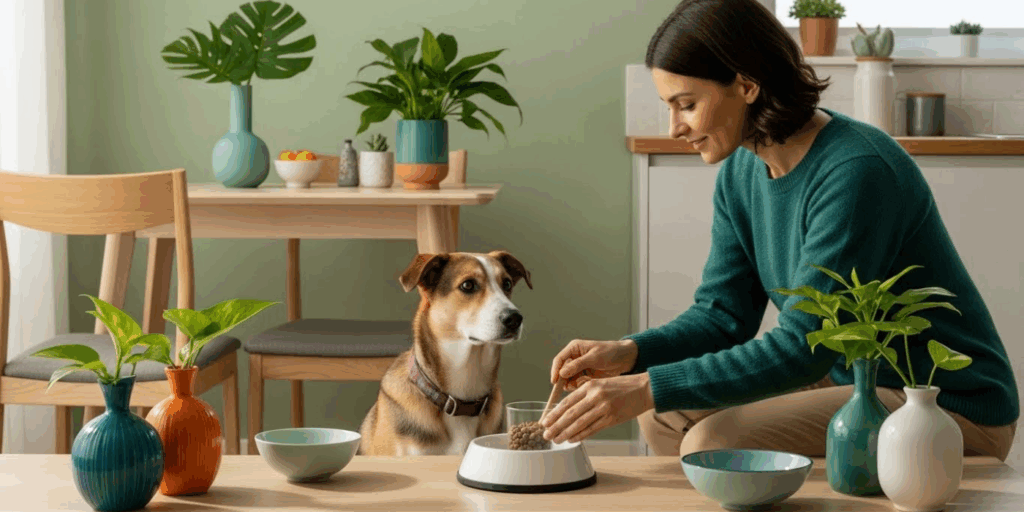
The gold standard for switching dog food is the 7–10 day gradual transition method. It’s simple, effective, and minimizes digestive stress. Here’s how it works:
- Days 1–2: Mix 25% new food with 75% old food.
- Days 3–4: Increase to 50% new and 50% old.
- Days 5–6: Use 75% new food and 25% old.
- Days 7–10: Feed 100% new food.
This slow progression gives your dog’s gut time to adapt. Their digestive enzymes shift gradually, and the beneficial bacteria in their intestines have time to recalibrate.
Pro Tip: Stick to your dog’s regular feeding schedule during the transition. Don’t increase portion sizes—even if they seem extra hungry. Overfeeding during a change can worsen stomach upset.
If your dog shows mild soft stool during the middle phase, that’s often normal. But if you notice persistent vomiting, bloody stool, lethargy, or refusal to eat for more than 24 hours, pause the transition and consult your vet.
Also, keep in mind: this timeline isn’t one-size-fits-all. Puppies, senior dogs, or dogs with sensitive stomachs may need up to 14 days to adjust fully. Always observe your dog’s behavior and stool consistency—it’s the best indicator of how they’re coping.
Choosing the Right Food: What to Look For (and Avoid)
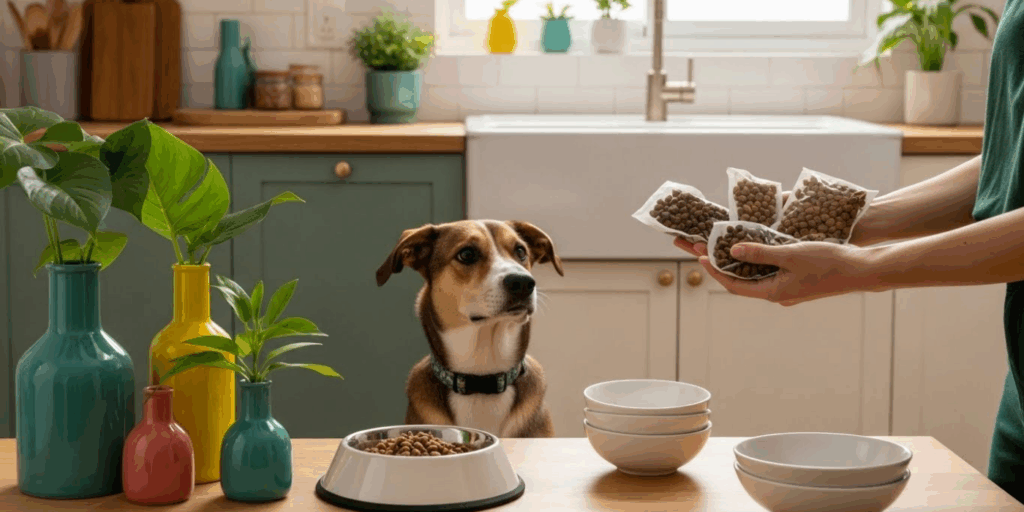
Switching food isn’t just about how—it’s also about what. Not all dog foods are created equal, and what works for your neighbor’s Labrador might not suit your Chihuahua.
Start by checking the first five ingredients on the label. High-quality protein (like chicken, beef, or fish) should be listed first. Avoid foods with vague terms like “meat by-products” or excessive fillers like corn, soy, or artificial preservatives (BHA, BHT, ethoxyquin).
If your dog has allergies or sensitivities, look for limited-ingredient diets or formulas labeled “hypoallergenic.” Common allergens include beef, dairy, wheat, and chicken—yes, even chicken! A novel protein source like duck, venison, or kangaroo can be a game-changer.
Life stage matters too. Puppies need more calories and DHA for brain development, while senior dogs benefit from joint-supporting ingredients like glucosamine. Always choose a food that matches your dog’s age, size, and activity level.
And don’t forget: AAFCO certification is non-negotiable. This ensures the food meets nutritional standards for complete and balanced canine nutrition. If it’s not on the bag, keep looking.
When in doubt, ask your vet. They can recommend brands based on your dog’s health history—saving you time, money, and potential vet bills down the road.
Special Cases: When to Speed Up or Slow Down the Transition
While the 7–10 day plan works for most dogs, some situations call for adjustments.
Case 1: Medical Reasons
If your vet has prescribed a therapeutic diet (for kidney disease, allergies, or gastrointestinal issues), they may instruct you to switch faster—sometimes within 3–5 days. Always follow their guidance over general advice.
Case 2: Food Recalls or Contamination
If your current food is recalled due to salmonella or aflatoxin, you may need to switch immediately. In these rare cases, offer bland food (like boiled chicken and rice) for 1–2 days to settle the stomach before introducing the new food gradually.
Case 3: Extremely Picky Eaters
Some dogs refuse new food entirely. If your dog turns their nose up at the 25% mix, try warming the food slightly or adding low-sodium broth to enhance aroma. Never starve them into submission—this can lead to serious health issues like hepatic lipidosis.
Case 4: Sensitive Stomachs
Dogs with a history of IBD, pancreatitis, or chronic diarrhea may need a 14-day or even 3-week transition. Start with just 10% new food and monitor closely.
Watch for these warning signs during any transition:
- Vomiting more than once
- Diarrhea lasting over 48 hours
- Loss of appetite for more than a day
- Lethargy or signs of pain
When in doubt, call your vet. Better safe than sorry!
Making the Switch Easier: Practical Tips from Experienced Pet Parents
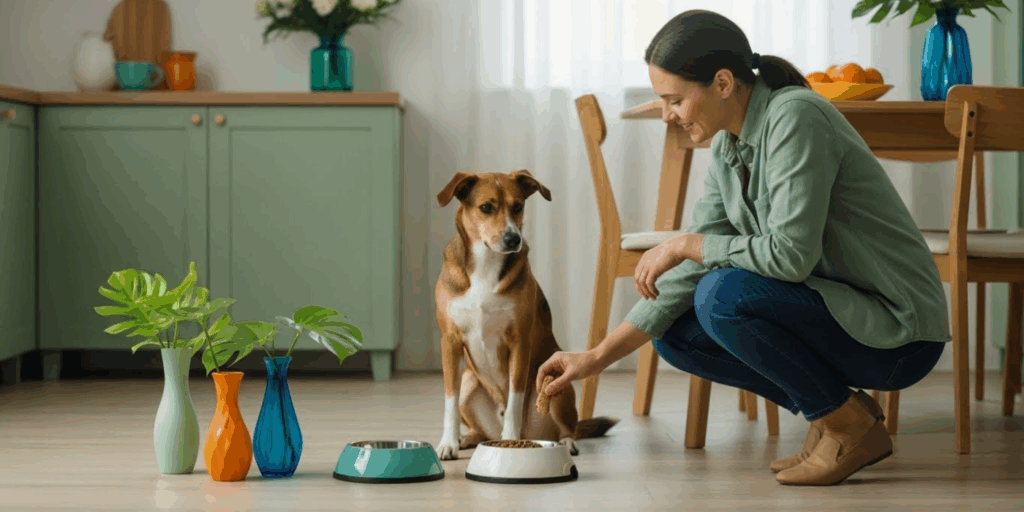
Real-world experience often beats theory. Here are tried-and-true tips from dog owners who’ve mastered the art of food transitions:
- Use the Same Bowl
Familiar scents can comfort your dog. Don’t introduce a new bowl during the switch—it might add unnecessary stress. - Stick to Routine
Feed at the same time, in the same place. Consistency reduces anxiety, especially for rescue dogs or those with past trauma. - Mix in Probiotics
A daily probiotic (like FortiFlora or plain, unsweetened yogurt) can support gut health during the transition. Ask your vet for dosage recommendations. - Don’t Combine with Treats or Table Scraps
During the switch, keep their diet simple. Extra snacks can mask how the new food is affecting them. - Track Progress in a Journal
Note stool quality, energy levels, coat shine, and appetite each day. This helps you spot trends and share useful info with your vet if needed. - Be Patient with Picky Eaters
Some dogs take time to warm up. If they walk away, don’t immediately offer the old food. Wait 20 minutes and try again. Consistency builds trust.
Remember: every dog is unique. What works for one might not work for another—and that’s okay. Stay observant, flexible, and compassionate.
What If the Transition Doesn’t Go as Planned?
Even with the best intentions, things don’t always go smoothly. Maybe your dog had a bad reaction, or the new food just didn’t agree with them. That’s not a failure—it’s part of responsible pet ownership.
First, don’t panic. Stop the new food immediately and return to the old diet if your dog is showing distress. Once they’re stable, consult your vet before trying again.
Second, evaluate why it didn’t work. Was the protein too rich? Was there a sudden ingredient your dog is allergic to? Did you transition too quickly?
Sometimes, the issue isn’t the food itself but how it was stored. Moisture, heat, or expired kibble can cause spoilage. Always check the “best by” date and store food in a cool, dry place—preferably in an airtight container.
If your dog continues to struggle with multiple brands, consider a vet-formulated elimination diet. This controlled approach helps identify specific food sensitivities over several weeks under professional supervision.
Most importantly: listen to your dog. Their body language—whining, turning away, excessive licking, or hiding—can tell you more than any online guide. Trust your instincts as their guardian.
The Bigger Picture: Nutrition as an Act of Love
Switching your dog’s food isn’t just about kibble and calories—it’s about caring deeply for a family member who depends on you. Every thoughtful choice you make around their diet impacts their energy, coat health, immune function, and longevity.
In a world full of flashy pet food marketing, it’s easy to feel overwhelmed. But remember: the best food isn’t always the most expensive or the one with the shiniest packaging. It’s the one that keeps your dog thriving—happy, active, and with a tail that wags at mealtime.
Taking the time to transition properly shows respect for your dog’s biology and well-being. It’s a small act with big rewards: fewer vet visits, more playtime, and a healthier, longer life together.
So whether you’re switching due to age, allergies, or simply wanting to upgrade, do it with care. Your dog may not say “thank you,” but their bright eyes and wagging tail will speak volumes.
Conclusion
Switching your dog’s food doesn’t have to be a stressful ordeal. With a gradual 7–10 day transition, careful food selection, and close observation, you can minimize digestive upset and support your dog’s overall health. Remember: sudden changes are hard on their system, but patience and consistency go a long way.
We’ve covered why slow transitions matter, how to implement them, what to look for in quality food, and how to handle special cases or setbacks. Most importantly, we’ve emphasized that your dog’s nutrition is a reflection of your love and commitment.
Now it’s your turn. Are you planning to switch your dog’s food soon? Have you tried a new brand that worked wonders—or one that caused trouble? Share your experience in the comments below! Your story might help another pet parent avoid a common mistake or discover a new favorite food.
And if you found this guide helpful, don’t forget to share it with fellow dog lovers. Because every wagging tail deserves a healthy, happy meal. 🐾

Lucas Neto is a passionate animal enthusiast who has spent years learning, caring, and connecting with pets of all kinds. His fascination with animals began in childhood and grew into a lifelong dedication to understanding their behavior, needs, and unique personalities. Whether rescuing strays, supporting responsible pet care, or simply enjoying the everyday joy that animals bring, Lucas is committed to sharing his knowledge and love for pets with others.