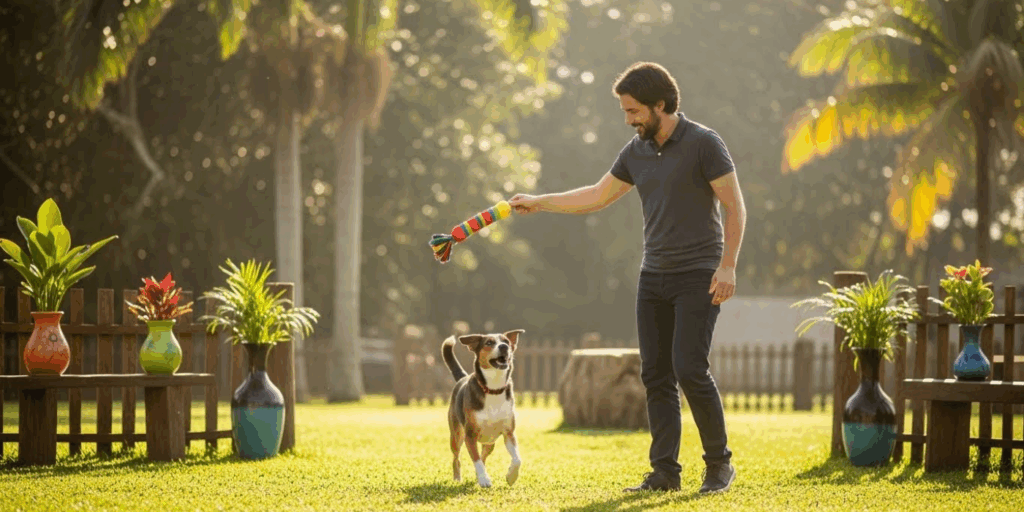
Imagine this: You toss a bright red ball across the backyard, and your dog rockets after it like a furry rocket—then turns around, sprints back, and drops it proudly at your feet with a wagging tail and a look that says, “Again! Do it again!”
That’s the magic of fetch. It’s not just a game—it’s a bonding ritual, a mental workout, and a natural outlet for your dog’s energy. And the best part? Almost any dog can learn it. No matter if you have a high-energy Border Collie or a laid-back Basset Hound, teaching your pup to fetch is easier than you think.
In this guide, we’ll walk you through a simple, step-by-step method to teach your dog to fetch—even if they’ve never shown interest before. We’ll break down why some dogs struggle, how to turn playtime into learning time, and what to do when things don’t go as planned. You’ll also discover common mistakes owners make (and how to avoid them), plus real-life stories from dog parents who turned their “I’ll just chew it” pup into a fetch superstar.
By the end, you won’t just know how to teach fetch—you’ll understand why it matters for your dog’s happiness, your relationship, and even your sanity on those rainy afternoons when the couch is your only escape. Let’s get started.
Why Fetch Isn’t Just a Game—It’s a Gift to Your Dog
Let’s be honest: we often think of fetch as a fun way to tire out our dogs. And yes, it does that. But there’s so much more beneath the surface.
Fetch taps into your dog’s natural instincts. Even if your pup is a purebred Pug, their ancestors were hunters and retrievers. The urge to chase, grab, and bring something back is deeply wired into their DNA. When you play fetch, you’re not just entertaining them—you’re fulfilling a primal need.
Studies from the American Kennel Club show that dogs who regularly engage in mentally stimulating activities like fetch are 30% less likely to develop anxiety-related behaviors. That means fewer destructive chew sessions, less barking at passersby, and more calm, contented companionship.
And here’s the kicker: fetch is one of the few activities that combines physical exercise with mental focus. Your dog has to track the toy, make a decision to retrieve it, remember the goal (bringing it back), and then control their excitement to deliver it to you. That’s cognitive training in disguise.
Plus, it strengthens your bond. Think about it—when your dog runs back to you with their prize, they’re choosing you. They’re saying, “I trust you. I want to share this with you.” That kind of connection doesn’t come from treats alone. It comes from shared joy.
If your dog doesn’t fetch yet, don’t assume they’re stubborn or “not a fetch dog.” More often than not, they just haven’t learned how to connect the dots between chasing and returning. And that’s where you come in—with patience, positivity, and a few simple tricks.
Start Small: The Secret to Success Is Not the Toy—It’s the Reward
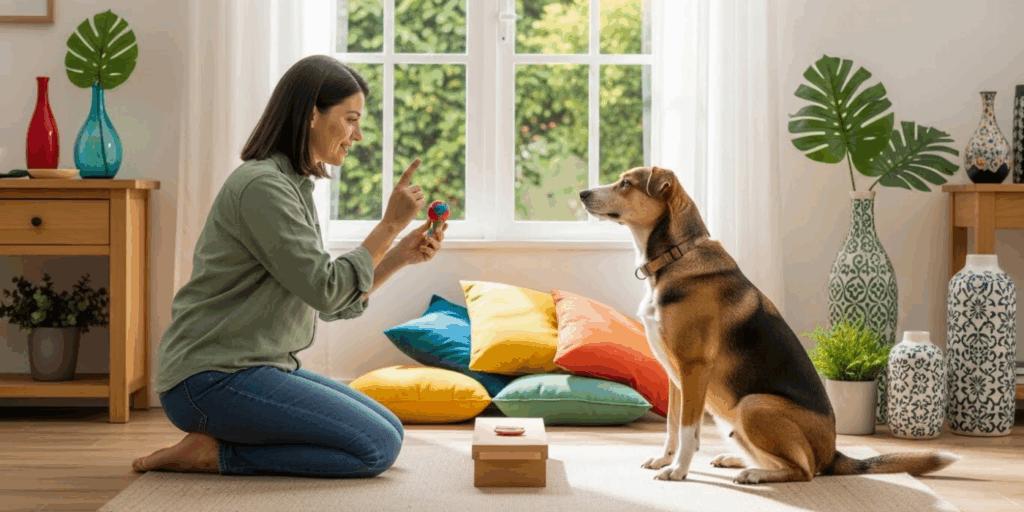
Here’s a truth many dog owners don’t realize: fetch isn’t about the toy. It’s about the reward.
I once met a woman named Lisa who spent $80 on the “ultimate squeaky tennis ball” only to watch her golden retriever, Max, pick it up… then immediately drop it and walk away. She was frustrated. “He just doesn’t get it,” she said.
But here’s what she didn’t know: Max didn’t care about the ball. He cared about her reaction.
The key to teaching fetch isn’t buying the fanciest toy. It’s making the return more exciting than the chase.
Start by choosing a toy your dog already loves. Maybe it’s a worn-out sock. A crinkly stuffed animal. A rubber bone they’ve chewed for months. It doesn’t matter what it is—what matters is that your dog gets excited when they see it.
Now, here’s the magic step: When your dog picks up the toy, don’t reach for it. Instead, pull out a treat—something super enticing, like tiny pieces of chicken or cheese—and hold it near your face. Smile. Use a happy, high-pitched voice: “Ohhh, look what you’ve got! Good job!”
As soon as your dog drops the toy to take the treat, praise them like they just won the lottery. “YES! BEST DOG EVER!”
Repeat this 5–10 times in short 2–3 minute sessions. You’re not trying to get them to run far yet. You’re teaching them: Dropping the toy = amazing things happen.
This is called “positive reinforcement,” and it’s the foundation of all successful dog training. Dogs repeat behaviors that get them rewards. If bringing the toy back means treats, cuddles, and praise, they’ll keep doing it.
Pro tip: Use the same phrase every time they drop the toy. “Drop it!” works, but “Thank you!” or “Good give!” sounds more like a celebration than a command. Make it fun, not a chore.
Turn “Chew and Run” Into “Bring It Back”—The Gentle Redirect
Now, let’s talk about the most common roadblock: your dog grabs the toy… and runs off like it’s a stolen treasure.
This isn’t defiance. It’s instinct. Dogs often see fetch as a game of “keep away.” And honestly? It’s kind of funny to them.
So how do you gently redirect that behavior without chasing them around the yard like a human version of a cartoon dog?
Step one: Don’t chase. I know it’s tempting. You see them sprinting with your favorite squeaky duck, and your brain screams, “Get it back!” But chasing them turns it into a game of tag—and you’re now the prize.
Instead, stay calm. Stand still. Call them with a happy voice: “Come here, buddy!” or “Let’s go!” Then, show them something even better: a second toy, or that same treat you used earlier.
If they come to you, reward them immediately—with the treat and lots of praise. If they don’t? Just wait. Walk away for a few seconds. Then try again.
You’re teaching them: Coming to me = awesome stuff. Running away = nothing happens.
Another trick? Use a “double toy” system. Have two identical toys. Toss one. When your dog picks it up, wave the second one and say, “Look! Another one!” Most dogs will drop the first to go for the second. Once they bring the second one to you, reward them.
This builds the association: I bring toys back → I get more toys.
And here’s a real-life example: Sarah, a teacher from Ohio, had a 1-year-old rescue named Duke who would steal her socks and vanish into the laundry room. She tried yelling. She tried ignoring. Nothing worked.
Then she started using two tennis balls. She’d toss one. When Duke ran off with it, she’d shake the second one and say, “Where’s the other one?” Duke would drop the first, race over, and grab the second. Within a week, he was bringing both back.
It wasn’t magic. It was psychology.
The goal isn’t perfection. It’s progress. One step at a time.
Build the Loop: From “Drop” to “Bring” to “Again!”
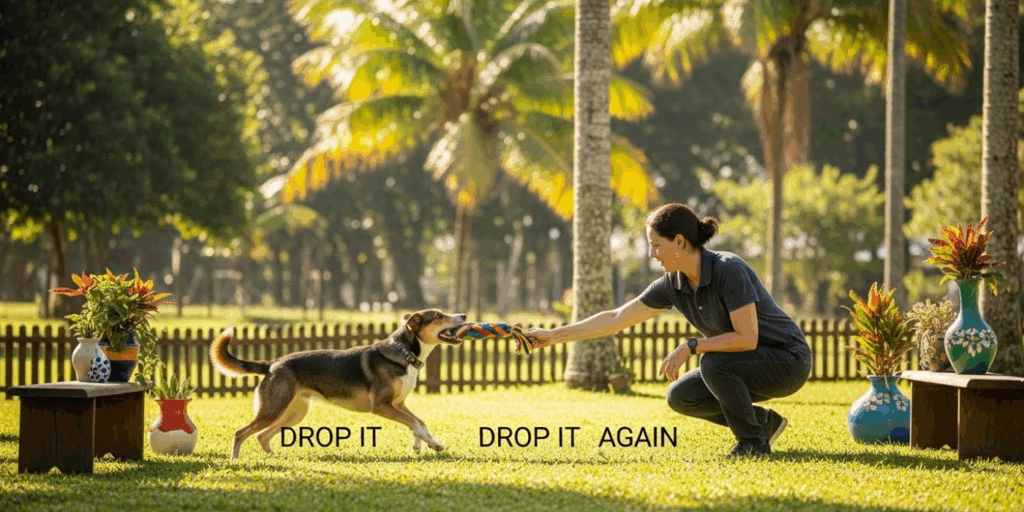
Once your dog is consistently dropping the toy for a treat, it’s time to build the full fetch loop: Throw → Chase → Retrieve → Return → Drop → Reward → Repeat.
This is where many owners get impatient. They think, “He dropped it once! Now he should know!” But learning a new behavior takes repetition—just like learning a new word in a language.
Here’s how to structure your sessions:
- Throw the toy (only 5–10 feet at first).
- Wait for your dog to pick it up. Don’t call them yet. Let them enjoy the chase.
- When they have it, call them with enthusiasm. Use your happy phrase: “Bring it!” or “Come!”
- When they return, praise them loudly. “YES! GOOD BOY!”
- When they drop it, give the treat and pet them.
- Wait 2 seconds, then throw again.
Keep each session under 10 minutes. Two sessions a day is plenty.
Why so short? Dogs learn best in small bursts. Long sessions lead to burnout—or worse, frustration. Think of it like teaching a toddler to tie shoes. You don’t do it for an hour straight. You do it for five minutes, then take a break.
Also, always end on a win. If your dog brings the toy back once, stop there. Celebrate. Give extra cuddles. Leave them wanting more.
And here’s a pro tip: Gradually phase out the treats. After 5–7 successful rounds, replace the treat with a belly rub, a game of tug, or even just a big, enthusiastic “Good job!” Dogs love praise almost as much as food—especially when it comes from you.
Over time, the act of fetching becomes its own reward. Your dog doesn’t need a treat to bring the toy back—they just love seeing your smile.
What If My Dog Just Doesn’t Care? (And Yes, That’s Normal)
Let’s be real: not every dog is born to fetch. Some breeds—like Bulldogs, Shih Tzus, or Basset Hounds—are physically built for lounging, not lunging. Others, like some rescue dogs, may have had negative experiences with toys or humans.
That doesn’t mean you give up. It means you adapt.
First, try different toys. Some dogs hate tennis balls because they’re too bouncy or squeaky. Others adore soft plushies. Try:
- A rope toy (great for tug-and-retrieve combos)
- A rubber ball with a hole in the middle (holds treats)
- A floating toy for water lovers
- A crinkly toy that makes noise
Second, make it their game. Put the toy in your pocket. Wait until your dog shows interest—maybe they nudge it with their nose. Reward that. Then, if they pick it up, even for a second, reward again.
Third, try “fetch” in a new setting. Sometimes the backyard feels too distracting. Try a quiet park, or even indoors in a hallway. Less noise = more focus.
And if your dog still seems uninterested? That’s okay. Not every dog needs to fetch. There are other ways to bond: puzzle toys, scent games, short walks with sniffing breaks, or even just sitting together while you read.
But if you’re determined? Try this: Use food as a lure. Place a few kibble pieces inside a treat-dispensing toy. Toss it a few feet. When your dog goes after it, cheer. When they bring it back, open it up and let them eat.
It’s not classic fetch—but it’s still retrieval. And that’s progress.
Remember: Your dog’s happiness isn’t measured by how well they perform a human game. It’s measured by how much joy they feel in your presence.
If fetch isn’t their thing? That’s fine. But if it becomes something you both love? That’s magic.
The Real Reward: More Than Just a Game
Teaching your dog to fetch isn’t just about getting them to return a ball.
It’s about building trust.
It’s about learning patience—not just for your dog, but for you.
It’s about finding joy in the small things: the way their ears flop when they run, the proud look when they drop the toy at your feet, the way they wait for you to throw it again, even after you’ve done it ten times.
I’ve seen dogs who were scared of people learn to trust again through fetch. I’ve seen elderly dogs rediscover their spark. I’ve seen anxious pups calm down after just a week of daily fetch sessions.
And I’ve seen owners who thought they were “bad at training” realize—they just needed to slow down.
You don’t need to be a dog expert. You just need to show up.
Consistency. Calm energy. A little bit of playfulness.
That’s all it takes.
So tonight, grab your dog’s favorite toy. Go outside. Toss it just one time.
Wait. Watch. Smile.
And if they bring it back? Say “Thank you.”
Because in that moment, you’re not just teaching a trick.
You’re saying: I see you. I value you. And I love playing with you.
That’s worth more than any treat.
Ready to Start? Here’s Your Simple 7-Day Plan
You don’t need a training manual. You just need to begin. Here’s your easy roadmap:
Day 1–2: Find the right toy. Practice “drop it” with treats indoors.
Day 3–4: Toss the toy 3 feet. Reward when they bring it back.
Day 5: Add your cue word (“Fetch!” or “Go get it!”) when you throw.
Day 6: Try it outside in a quiet space. Keep sessions under 5 minutes.
Day 7: Celebrate! Even one successful fetch is a win.
No pressure. No rush. Just fun.
And if you hit a snag? That’s normal. Come back to this guide. Re-read the section on patience. Remember: every great fetcher started with one small step.
Final Thought: Your Dog Doesn’t Need a Perfect Game. They Just Need You.
You don’t need fancy equipment. You don’t need to be an expert.
You just need to be present.
Some days, your dog might ignore the toy. Other days, they’ll bring you ten in a row, tail wagging like a helicopter.
That’s okay.
Because the real goal isn’t a perfectly trained fetcher.
It’s a happier dog.
A calmer home.
A deeper connection.
And that? That’s already happening.
Every time you pick up that toy, you’re saying: I’m here. Let’s play.
And that’s the most powerful thing you can give them.
So go ahead. Toss it.
I’ll bet you a treat they’ll come running.
What’s your dog’s favorite toy to fetch?
Have you ever had a “nope, not interested” pup who surprised you? Share your story in the comments below—I read every one, and I’d love to celebrate your wins with you.
And if this guide helped you, please share it with a friend who’s trying to turn their dog into a fetch superstar. Because every dog deserves to feel the joy of coming home—with a toy, and a heart full of love.
Happy playing! 🐾

Lucas Neto is a passionate animal enthusiast who has spent years learning, caring, and connecting with pets of all kinds. His fascination with animals began in childhood and grew into a lifelong dedication to understanding their behavior, needs, and unique personalities. Whether rescuing strays, supporting responsible pet care, or simply enjoying the everyday joy that animals bring, Lucas is committed to sharing his knowledge and love for pets with others.