Introduction
There’s something deeply bonding about sharing a meal—even if your dining companion has four paws and a wagging tail. It’s natural to want to treat your dog to a bite of what you’re eating, especially when those pleading eyes lock onto your plate. But before you toss them a scrap, it’s worth asking: Is this actually safe?
While many human foods are absolutely off-limits to dogs (chocolate, grapes, onions, and xylitol, to name a few), plenty of everyday items in your kitchen are not only safe—but even beneficial—when offered in moderation. The key is knowing which ones, how much, and how often.
In this article, we’ll explore a curated list of human foods dogs can safely enjoy, explain why some are surprisingly nutritious, and offer practical guidance on how to share them responsibly. From crunchy carrots to creamy plain yogurt, you’ll discover how to turn your leftovers (or intentional treats) into healthy, vet-approved snacks for your furry friend. Plus, we’ll bust a few common myths and share tips to keep mealtime both joyful and safe.
Let’s dig in—responsibly!
Why Some Human Foods Are Actually Good for Dogs
You might assume that “dog food is dog food, and human food is human food”—and while that’s generally wise, it’s not the whole story. Dogs are omnivores with digestive systems that can handle more than just kibble. In fact, many whole, minimally processed human foods offer nutrients that complement a dog’s regular diet.
Take blueberries, for example. These tiny fruits are packed with antioxidants, fiber, and vitamins C and K—all of which support immune function and brain health in dogs, just as they do in humans. Or consider sweet potatoes: rich in beta-carotene, they promote healthy skin and vision, and their high fiber content aids digestion.
The trick is simplicity and moderation. A steamed broccoli floret? Safe and nutritious. Broccoli smothered in cheese sauce? Not so much. Dogs don’t need seasoning—salt, garlic, butter, or sugar can do more harm than good. But a plain, unseasoned version of many fruits, vegetables, proteins, and grains can be a healthy supplement.
Also worth noting: introducing variety through safe human foods can help prevent picky eating and keep mealtime interesting—especially for senior dogs or those with reduced appetites. Just always start with small portions to monitor for allergies or digestive upset.
So, while commercial dog food should remain the nutritional foundation, thoughtful additions from your plate can enhance your pup’s diet in surprising ways.
Safe Fruits and Vegetables Your Dog Will Love
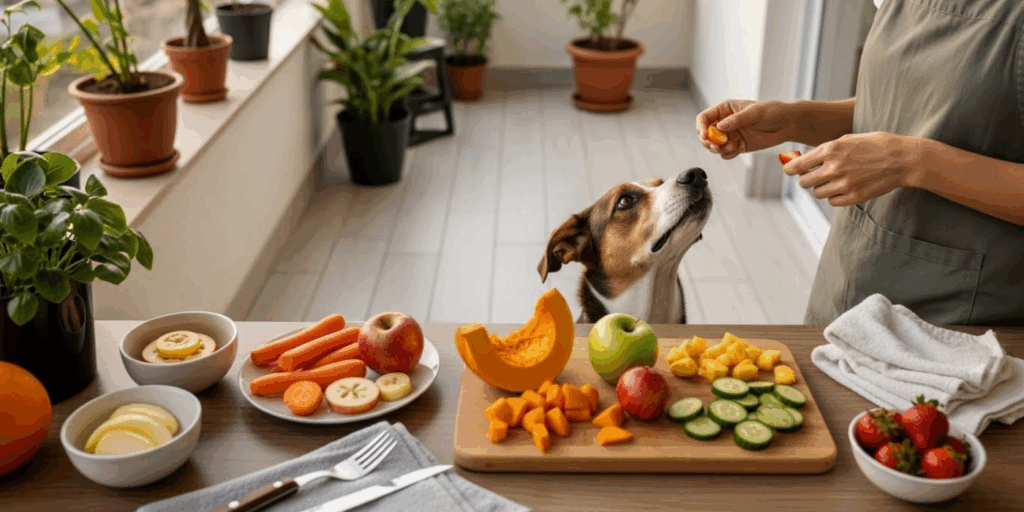
Fruits and veggies are among the safest—and most rewarding—human foods you can share with your dog. Most are low in calories, high in water content, and rich in essential vitamins. Plus, they make excellent training treats or boredom-busters.
Carrots, for instance, are a crunchy, low-calorie snack that even teething puppies enjoy. Their natural sweetness appeals to dogs, while the fiber supports digestion. Green beans (steamed or raw, unsalted) are another vet favorite—high in iron and vitamins but low in fat.
When it comes to fruit, apples (with seeds and core removed—those contain cyanide!) offer a crisp, hydrating treat loaded with vitamins A and C. Bananas are safe in small amounts and provide potassium and fiber, though their sugar content means they’re best as an occasional snack.
Watermelon (seedless and rind-free) is a summer hit—refreshing and 92% water, making it great for hydration. Just be sure to remove every seed; even the white ones can cause intestinal blockage.
A word of caution: avoid grapes, raisins, and currants entirely—even a single grape can cause kidney failure in some dogs. And while avocados aren’t toxic to dogs in small amounts (unlike birds or rodents), the pit is a choking hazard, and the flesh is high in fat, which may upset sensitive stomachs.
Always introduce new produce gradually, and chop it into bite-sized pieces to prevent choking—especially in small breeds.
Proteins and Dairy: What’s Safe (and What’s Not)
Proteins are the building blocks of a dog’s diet, and many human-grade sources can be shared—carefully. Cooked, unseasoned chicken, turkey, or lean beef are excellent options. They’re rich in amino acids and easily digestible, making them ideal for dogs recovering from illness or those needing a bland diet.
Eggs are another powerhouse: plain boiled or scrambled eggs (no butter, oil, or salt) provide high-quality protein, fatty acids, and essential vitamins like riboflavin and selenium. Many dogs adore them—and they’re great for shiny coats.
But here’s where caution is key: never feed raw meat or eggs unless under veterinary guidance. Raw proteins can carry salmonella or E. coli, which pose risks to both dogs and humans. And always remove bones—especially cooked ones, which can splinter and cause internal injuries.
Now, what about dairy? While many dogs are lactose intolerant, small amounts of plain, unsweetened yogurt or cottage cheese are often well-tolerated. These contain probiotics that support gut health. Look for products with live cultures and no added sugar or artificial sweeteners (xylitol is deadly to dogs).
Cheese, while not toxic, is high in fat and salt. A tiny cube of cheddar as an occasional treat? Fine. But regular indulgence can lead to pancreatitis or weight gain.
If you’re ever unsure, start with a teaspoon and watch for gas, diarrhea, or vomiting over the next 24 hours. When in doubt, skip it.
Grains and Other Pantry Staples: Surprising Safe Picks
You might be surprised to learn that many common pantry staples are dog-friendly—and even beneficial in moderation. Plain cooked rice (especially white rice) is a go-to for dogs with upset stomachs. Combined with boiled chicken, it’s a classic bland diet recommended by vets worldwide.
Oatmeal (unsweetened, cooked with water, not milk) is another gentle grain. It’s high in soluble fiber and can help regulate blood sugar—great for senior dogs or those with diabetes. Just avoid flavored instant oatmeal, which often contains xylitol or excess sugar.
Pumpkin (plain canned pumpkin—not pie filling!) is a superstar for digestion. A tablespoon mixed into your dog’s food can help with both constipation and diarrhea thanks to its high fiber and water content.
Even peanut butter makes the list—as long as it’s 100% natural and xylitol-free. Many brands now advertise “dog-safe” peanut butter, but always check the label. A lick off a spoon or stuffed in a Kong toy provides mental stimulation and healthy fats.
On the flip side, avoid breads with raisins, garlic, or chocolate chips—and never give raw bread dough, which can expand in the stomach and cause life-threatening bloating.
These simple staples show that your kitchen can double as a source of safe, wholesome additions to your dog’s diet—no fancy supplements required.
Common Myths About Feeding Human Food to Dogs
Before we go further, let’s clear up a few misconceptions.
Myth #1: “All human food is bad for dogs.”
Reality: While processed, salty, or sugary foods are harmful, many whole, natural human foods are not only safe but beneficial.
Myth #2: “If my dog ate it once and was fine, it’s always safe.”
Not true. Some toxins (like grapes) can cause delayed or cumulative damage. Others may cause issues only after repeated exposure.
Myth #3: “Homemade diets are always healthier.”
Unless formulated by a veterinary nutritionist, homemade diets often lack essential nutrients and can lead to long-term health problems.
Myth #4: “Dogs shouldn’t eat anything outside their kibble.”
Variety can be healthy! Safe human foods add enrichment, nutrients, and joy—when used responsibly.
Understanding these myths helps you make informed choices instead of relying on fear or hearsay. The goal isn’t to replace dog food—but to enhance your dog’s life with thoughtful, safe sharing.
How to Safely Introduce Human Foods Into Your Dog’s Diet
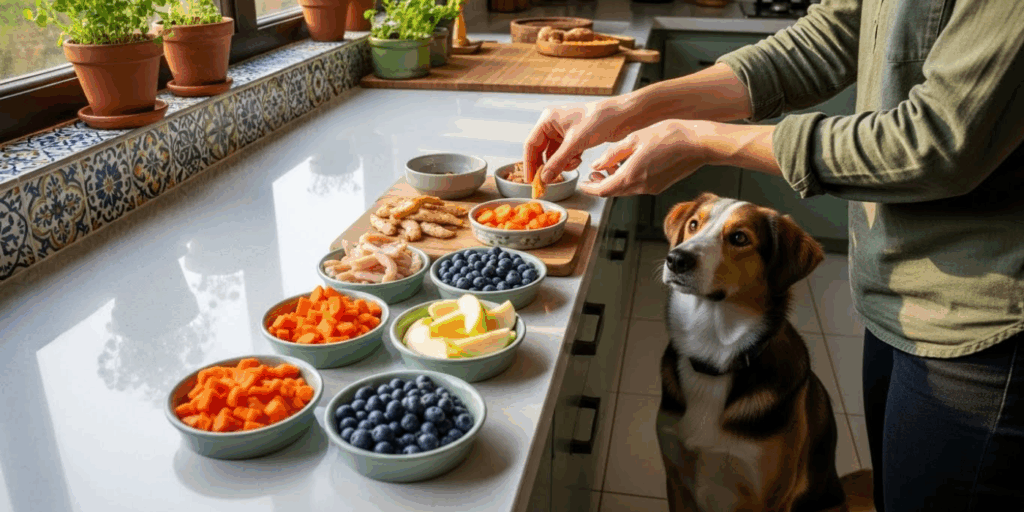
Want to start sharing? Do it the right way.
- Start small: Offer a teaspoon or small bite and wait 24 hours to monitor for vomiting, diarrhea, or itching.
- Keep it plain: No salt, sugar, spices, oils, or sauces. Your dog’s palate doesn’t need enhancement—and their health certainly doesn’t.
- Consider portion size: Treats (including human food) should make up no more than 10% of your dog’s daily calories.
- Know your dog: Puppies, seniors, and dogs with health conditions (like pancreatitis or kidney disease) may have stricter limits.
- When in doubt, ask your vet: Especially if your dog is on medication—some foods interact with drugs.
Also, never use human food as a substitute for balanced meals. Think of these as occasional bonuses, not dietary staples.
Final Thoughts: Sharing with Love—and Caution
Feeding your dog from your plate can be a gesture of love, but it’s one that comes with responsibility. The good news? You don’t have to say “no” to every begging glance. With a little knowledge, you can say “yes” to safe, nutritious, and joyful sharing.
From carrot sticks to plain chicken, apple slices to pumpkin puree—your kitchen holds many pup-approved treasures. The key is mindfulness: choose whole foods, avoid harmful additives, and always prioritize your dog’s health over momentary delight.
And remember: the best treat isn’t always food. Sometimes, it’s a game of fetch, a belly rub, or simply being by your side. But when you do share a bite, make it count.
Conclusion
Throughout this guide, we’ve explored a variety of human foods that dogs can safely enjoy—from fruits and veggies to lean proteins and simple grains. We’ve emphasized the importance of preparation (plain and unseasoned), portion control, and awareness of toxic ingredients. Most importantly, we’ve highlighted that responsible sharing strengthens the human-canine bond without compromising health.
Your dog’s diet should always be grounded in high-quality commercial food formulated for their life stage, but occasional, thoughtful additions from your plate can provide variety, enrichment, and even health benefits.
So next time your furry friend gazes longingly at your breakfast toast or your afternoon apple, you’ll know exactly what’s safe to share—and what to keep to yourself.
Now we’d love to hear from you: What’s your dog’s favorite human food snack? Have you discovered a safe treat that gets their tail wagging? Share your stories in the comments below—and don’t forget to pass this guide along to fellow dog lovers who want to treat their pups the right way! 🐾

Lucas Neto is a passionate animal enthusiast who has spent years learning, caring, and connecting with pets of all kinds. His fascination with animals began in childhood and grew into a lifelong dedication to understanding their behavior, needs, and unique personalities. Whether rescuing strays, supporting responsible pet care, or simply enjoying the everyday joy that animals bring, Lucas is committed to sharing his knowledge and love for pets with others.