You know that moment—when your dog looks up at you with those big, soulful eyes, tail wagging like a metronome set to “pure joy,” and you just know they’re trying to say something. Maybe it’s “I love you.” Maybe it’s “I’m bored.” Or maybe, just maybe, they’re silently begging for a handshake.
And wouldn’t it be amazing if they could actually give you one?
Teaching your dog to give a paw isn’t just a cute party trick. It’s a powerful way to strengthen your bond, build trust, and turn everyday interactions into meaningful moments of connection. Whether you live in a tiny apartment in Chicago or a sprawling house in Texas, this simple skill can transform how you and your dog communicate—and it’s easier than you think.
In this guide, we’ll walk you through the exact, step-by-step process to teach your dog to give a paw—no treats hoarded, no clickers required (though they help!), and no frustration allowed. We’ll explore why this trick matters beyond the “aww” factor, how to adapt it for shy or older dogs, what common mistakes to avoid, and even how to turn this into a foundation for more advanced training. By the end, you won’t just have a dog who gives paws—you’ll have a deeper, more joyful relationship with your furry best friend.
Let’s get started.
Why Teaching a Paw Matters (It’s More Than Just Cute)
Let’s be honest: most people start teaching their dogs to give a paw because it looks adorable. And that’s totally valid! There’s something deeply heartwarming about a dog gently placing their paw in your hand, as if offering a silent hug. But the real value of this trick goes far beyond Instagram-worthy photos.
When you teach your dog to give a paw, you’re not just training a behavior—you’re building communication. Dogs don’t speak our language, but they’re incredibly good at reading our cues. By asking them to offer their paw, you’re giving them a clear, positive way to interact with you. This builds confidence, especially in anxious or shy dogs who might otherwise avoid human touch.
Think about it: how often do you reach out to pet your dog, only for them to pull away? Or how many times have you tried to examine their paw for a thorn or cut, and they tense up? Teaching them to voluntarily offer their paw turns a potentially stressful moment into a calm, even joyful one.
Plus, this trick is a gateway to other skills. Once your dog understands the concept of “targeting” (touching something with a body part), you can teach them to touch a target stick, close doors, or even retrieve specific items. It’s the foundation of many advanced obedience and trick training techniques.
And here’s the best part: it takes almost no time. With just five to ten minutes a day, most dogs learn this in under a week. Even senior dogs or those with limited mobility can participate—just adapt the motion to what’s comfortable for them.
This isn’t about making your dog perform for guests. It’s about creating a quiet, daily ritual that says, “I see you. I’m here with you. Let’s connect.”
So before you jump into the steps, take a moment to ask yourself: Why do I want my dog to give a paw? Is it for fun? For confidence? For safety? Your reason will guide your patience, your tone, and your success.
Step 1: Start with the Right Mindset (Patience Is Your Secret Weapon)

Before you even reach for a treat, let’s talk about the most important tool you already have: your mindset.
Too many people try to “teach” their dog to give a paw by grabbing their paw and saying, “Give paw!”—then getting frustrated when the dog pulls away. That’s not training. That’s coercion. And dogs? They hate being forced.
The secret? Wait for the behavior, don’t force it.
Your dog doesn’t need to understand English. They need to understand that offering their paw leads to good things. That’s it.
Start by sitting quietly with your dog on the floor, maybe after a walk or during a calm moment before dinner. Have a handful of small, soft treats ready—think pea-sized bits of chicken, cheese, or their favorite kibble. Keep them in a pouch or bowl so you’re not fumbling.
Now, just sit. Don’t say anything. Don’t reach for their paw. Just observe.
Chances are, your dog will eventually lift a paw—maybe to scratch an itch, maybe to stretch, maybe just because they’re bored. The instant their paw lifts—even slightly—say “Yes!” in a bright, cheerful voice and immediately give them a treat.
That’s it. No talking. No pulling. Just reward the natural movement.
This is called “capturing the behavior.” You’re not teaching them what to do—you’re telling them, “Hey, that thing you just did? That was perfect. Do it again.”
Repeat this 3–5 times over the course of a few minutes. Then stop. Short, positive sessions are key. Dogs learn better in five-minute bursts than in 20-minute marathons.
If your dog doesn’t lift their paw after a few tries? No problem. Move on. Try again tomorrow. The goal isn’t perfection—it’s connection.
And remember: every dog learns at their own pace. A high-energy Border Collie might catch on in one day. A senior Basset Hound might need a week. That’s okay. Celebrate tiny wins.
Your patience isn’t just a virtue—it’s the foundation of trust.
Step 2: Add the Cue—Turning a Behavior Into a Command
Now that your dog has started offering their paw on their own, it’s time to give it a name.
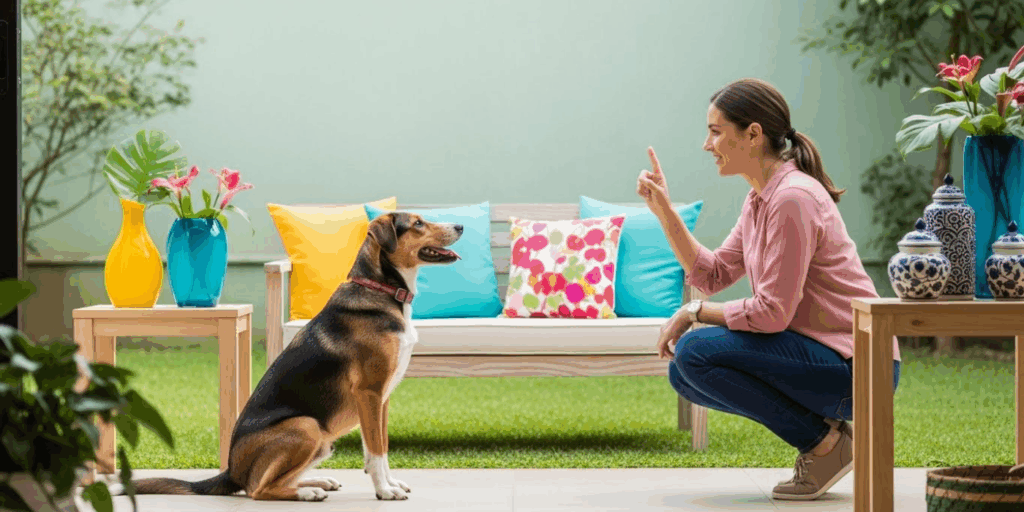
The moment you see their paw lift—even a tiny twitch—say “Paw” clearly and calmly, just before you reward them. Not after. Not while. Just before.
So:
Dog lifts paw → You say “Paw!” → You give treat.
This is called “tagging the behavior with a cue.” You’re linking the word to the action. Over time, your dog will start to associate the word “Paw” with the feeling of lifting their foot—and the delicious reward that follows.
Do this 5–8 times per session, twice a day. Keep it light. If your dog seems distracted, end early. You want them excited to try again tomorrow.
After a couple of days, you’ll notice something magical: your dog starts looking at you before lifting their paw. They’re waiting for your cue. That’s when you know they’re starting to understand.
Here’s a pro tip: Use a consistent tone. Say “Paw” in the same voice every time—clear, calm, upbeat. Avoid shouting or sounding frustrated. Dogs pick up on emotion faster than words.
Also, don’t say “Paw” unless you’re ready to reward. If you say it and they don’t respond, don’t repeat it. Just wait. Silence is powerful. It tells your dog, “I’m waiting for you to figure it out.”
And if they get it right? Celebrate like they just won the lottery. Treat + praise + belly rubs = instant dopamine boost for both of you.
Within a few days, you’ll be able to hold out your hand, say “Paw,” and—boom—they’ll lift their foot. No grabbing. No forcing. Just pure, joyful cooperation.
Step 3: Make It Real—Practice in Real Life (Not Just on the Couch)
You’ve got your dog offering their paw on cue in your living room. Great! But now it’s time to take it beyond the comfort zone.
Dogs don’t generalize well. Just because they give a paw on the couch doesn’t mean they’ll do it at the park, while you’re putting on your shoes, or when there’s a squirrel outside.
So start practicing in different environments. Try it:
- While you’re waiting for your coffee to brew
- Before you open the front door
- After you’ve clipped on their leash
- While sitting on the porch
Each time, keep the session short and sweet. Two or three tries, max. End on a win.
You can also use this trick to manage everyday moments. For example:
You’re about to give your dog their dinner. Instead of setting the bowl down, say “Paw.” When they offer it, praise them, then release the bowl. Now they’re learning that good things come from cooperating—not just from begging.
Or:
You’re getting ready to leave the house. Instead of just grabbing the leash, ask for a paw. It’s a calming ritual that helps your dog transition from “I’m excited!” to “I’m ready.”
This isn’t just training. It’s turning obedience into a language of daily connection.
And here’s a bonus: if your dog is prone to jumping on guests, teaching them to give a paw gives them a positive alternative. Instead of leaping up, they learn, “Hey, if I want attention, I can just offer my paw.” It redirects energy in a calm, polite way.
Don’t rush this step. Practice in low-distraction places first. Then slowly add noise, movement, and other people. Always reward the effort—even if the paw doesn’t quite reach your hand.
Consistency is your best friend. Do it every day, even for 60 seconds. Over time, your dog will offer their paw before you even ask.
What If My Dog Doesn’t Like Their Paws Touched?
This is a common concern—and a very valid one.
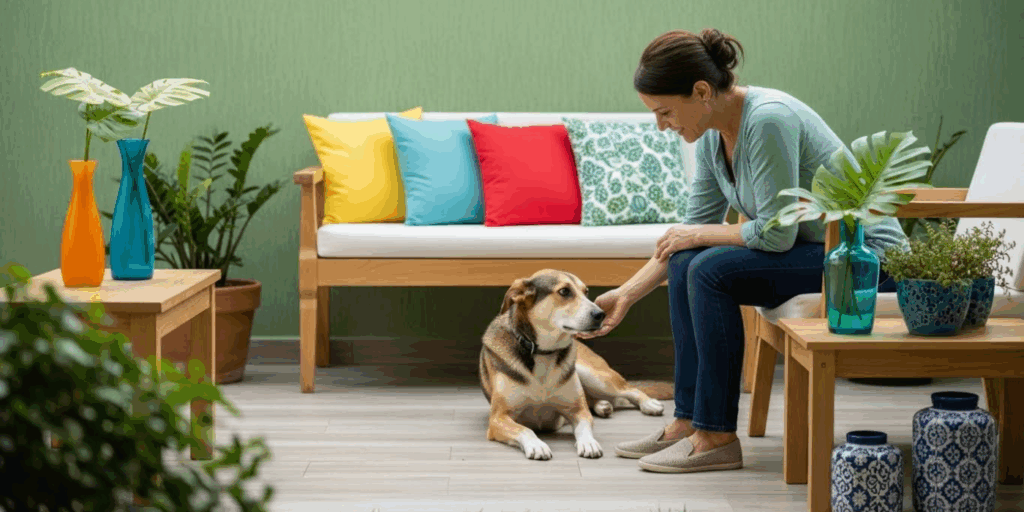
Some dogs are sensitive about their paws. Maybe they had a bad experience as a puppy. Maybe they’re naturally nervous. Maybe they’ve never had their feet handled.
That’s okay. You don’t need to force it.
Instead, start with desensitization.
Begin by simply touching your dog’s leg—near the paw, not on it. Reward them immediately with a treat. Do this for a few days. Then, gradually move closer. Touch the top of the paw. Then the pad. Always reward.
If they flinch or pull away? Go back a step. Don’t push. Progress is measured in millimeters, not miles.
You can also pair paw touches with something they love—like a game of tug or a favorite toy. Touch their leg, then toss the toy. Touch again, then give a treat. Over time, they’ll start to associate touch with fun.
And if your dog is extremely sensitive? That’s fine. You can still teach them to “give a paw” by rewarding them for lifting their paw—even if you never actually touch it. The goal isn’t to handle their feet; it’s to build a positive, voluntary interaction.
Remember: trust comes first. If your dog feels safe, they’ll find a way to communicate with you—even if it’s not exactly how you imagined.
Level Up: Turn “Paw” Into a Full-Body Conversation
Once your dog has mastered the basic paw, you can turn it into something even more special.
Try teaching them to:
- Give left paw, then right paw (great for photo ops!)
- Hold your hand for 3 seconds (builds impulse control)
- Give paw while standing on hind legs (a fun party trick!)
- Give paw on command, then sit (a mini obedience sequence)
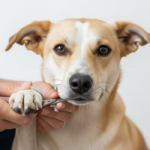
You can even use it to help with vet visits. Practice gently holding their paw for a few seconds, then releasing and rewarding. Do this while pretending to “check” their nails. Over time, they’ll associate vet-style handling with treats and praise.
And here’s a beautiful idea: make “Paw” your special goodbye ritual.
Every time you leave the house, ask for a paw. When they offer it, smile, say “I love you,” and then go. It becomes a quiet, loving goodbye—something your dog looks forward to, not dreads.
This isn’t just training. It’s love made visible.
Common Mistakes (And How to Avoid Them)
Even the most well-meaning owners sometimes stumble. Here are the top three mistakes—and how to fix them:
- Grabbing the paw instead of waiting for it.
→ Fix: Stop touching their paw. Wait. Reward the voluntary lift. Your patience will teach them more than your hands ever could. - Repeating the cue too many times.
→ Fix: Say “Paw” once. Wait. If they don’t respond, wait a few seconds, then try again. If nothing happens, end the session. Don’t nag. Silence is your ally. - Only rewarding when it’s perfect.
→ Fix: Reward effort. A slight lift? Treat. A paw hovering near your hand? Treat. You’re building confidence, not perfection.
And one more: Don’t train when you’re frustrated. If you’re tired, stressed, or annoyed, take a break. Your dog picks up on your energy. Training should feel like play—not work.
The Real Reward Isn’t the Trick—It’s the Connection
Teaching your dog to give a paw isn’t really about the paw.
It’s about the quiet moments in between.
The way your dog looks at you, waiting for your cue.
The soft press of their foot in your palm.
The way your heart melts a little, even on the hardest days.
This trick is a bridge. Between species. Between chaos and calm. Between “I’m just a pet” and “I’m your partner.”
And the best part? You don’t need to be a trainer. You don’t need special tools. You just need to show up—with patience, with kindness, and with a treat or two.
Your dog doesn’t care if you get it “right.” They care that you’re there.
So tomorrow morning, when you sit down with your coffee, pause for just 60 seconds. Look at your dog. Say “Paw.” Wait.
And when they offer their paw—however small, however hesitant—say “Yes!” and give them the world.
Because in that moment?
You’re not just teaching a trick.
You’re saying, “I see you. I’m here. And I love you.”
Your Turn: Try It Today
You’ve got everything you need: patience, a treat, and a dog who already loves you more than anything.
So here’s your challenge: Today, spend just two minutes teaching your dog to give a paw.
Sit quietly. Wait. Watch. Reward the tiniest lift. No pressure. No rush.
And when they get it—even if it’s just a twitch—celebrate like it’s the greatest moment of your life.
Then come back here and tell me:
How did it go? Did your dog surprise you?
Leave a comment below—I read every one. And if you found this helpful, share it with a friend who’s wondering how to connect deeper with their dog.
Because the best things in life aren’t taught.
They’re shared.
And your dog? They’ve been waiting for you to ask.

Lucas Neto is a passionate animal enthusiast who has spent years learning, caring, and connecting with pets of all kinds. His fascination with animals began in childhood and grew into a lifelong dedication to understanding their behavior, needs, and unique personalities. Whether rescuing strays, supporting responsible pet care, or simply enjoying the everyday joy that animals bring, Lucas is committed to sharing his knowledge and love for pets with others.