Let’s be honest—nothing ruins a fresh pair of slippers or a newly mopped floor faster than a surprise “puppy present” in the middle of your living room. If you’ve ever found yourself sighing, grabbing paper towels, and wondering, “Why won’t my dog just go outside like a normal dog?”—you’re not alone. Millions of pet parents face this exact challenge every day. The good news? With patience, consistency, and a little strategy, you can teach your dog to use the bathroom in the right spot. And it’s not about punishment. It’s about understanding your dog, communicating clearly, and building a routine that works for both of you.
In this guide, we’ll walk you through the science-backed, stress-free methods to train your dog to eliminate where you want them to—whether that’s outside on the grass, on a designated potty pad indoors, or even in a litter box (yes, it’s possible!). We’ll cover why dogs struggle with this in the first place, how to recognize their signals, how to create a reliable routine, and what to do when accidents happen (because they will). You’ll also learn how to avoid common mistakes that sabotage progress—and how to turn potty training from a daily headache into a quiet, confident habit.
By the end, you won’t just know how to train your dog—you’ll understand why it works. And more importantly, you’ll feel proud, not frustrated, every time your pup heads straight to their spot without a second thought.
Why Your Dog Doesn’t “Just Know” Where to Go
It’s easy to assume that dogs should naturally understand where to relieve themselves—after all, they’re clean animals, right? But here’s the truth: dogs don’t come with a built-in map of your house. To them, every corner is fair game unless you teach them otherwise.
Think of it this way: in the wild, dogs (and their wolf ancestors) avoid soiling their sleeping areas. That’s instinct. But inside your home? The carpet, the rug, the corner by the door—they all smell like “home.” Without clear guidance, your pup has no reason to pick one spot over another. They’re not being defiant. They’re just… confused.
Studies from the American Veterinary Medical Association show that 70% of house-training issues stem from inconsistent routines, not disobedience. That means if you’re taking your dog out “sometimes,” or letting them roam freely without supervision, you’re accidentally teaching them that accidents are okay. It’s not malice—it’s mixed signals.
And let’s not forget: puppies have tiny bladders. A 10-week-old pup can only hold it for about 2 hours. If you leave them alone for 6 hours while you work? No wonder they go on the rug. It’s not rebellion—it’s biology.
So the first step isn’t yelling. It’s empathy. Your dog isn’t trying to ruin your life. They’re trying to communicate: “I need to go, but I don’t know where!”
Your job? Be their translator.
Decoding Your Dog’s “I Need to Go” Signals
Most people wait for the obvious signs—suddenly pacing, sniffing furiously, circling. But by then, it’s often too late. Smart dog owners catch the earlier cues.
Here are the subtle signals your dog gives before it’s time to sprint to the door:
- Sniffing in circles (especially near corners or along baseboards)
- Sudden stillness—they stop playing and just stand there, head tilted
- Restlessness—getting up and down, whining softly, or staring at you with big eyes
- Pawing at the door or nudging you with their nose
- Going to a specific spot they’ve used before (even if it’s the wrong one!)
I once had a client, Maria, whose 6-month-old rescue, Luna, would sit perfectly still in the kitchen for 30 seconds—then bolt for the living room rug. Maria thought Luna was being stubborn. Turns out? Luna was holding it, waiting for Maria to notice. Once Maria started paying attention to those quiet pauses, Luna’s accidents dropped by 80% in two weeks.
Pro Tip: Keep a journal for 3–5 days. Note when your dog eats, drinks, plays, naps, and eliminates. You’ll start seeing patterns. Most dogs need to go:
- Within 15 minutes of waking up
- 10–20 minutes after eating or drinking
- After playtime or excitement
- Before bedtime
That’s your golden window. Use it.
Creating a Foolproof Potty Routine (No Guesswork Needed)
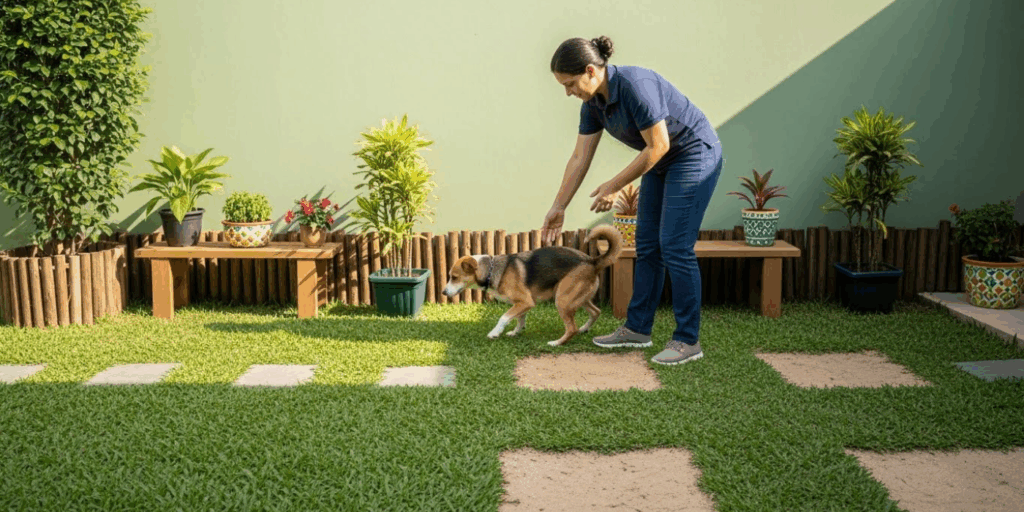
Consistency is the secret sauce. Not magic. Not treats alone. Routine.
Here’s a simple, proven schedule that works for puppies and adult dogs alike:
Morning (7–8 AM): Take your dog straight outside (or to their potty pad) the second they wake up. No cuddles. No breakfast. Just go.
After Meals (15–30 mins later): Always follow meals with a potty break. Dogs typically need to go after digesting.
After Naps: Whether it’s a 10-minute snooze or a 2-hour nap—same rule.
Before Bed (8–9 PM): One last trip outside. Even if they just went an hour ago.
Every 2 Hours (During the Day): Especially for puppies under 6 months. Set a timer if you have to.
I know—sounds rigid. But here’s the magic: once your dog learns this rhythm, they start anticipating it. They’ll sit by the door, tail wagging, like they’re saying, “Hey, it’s 10 AM. Time for our walk!”
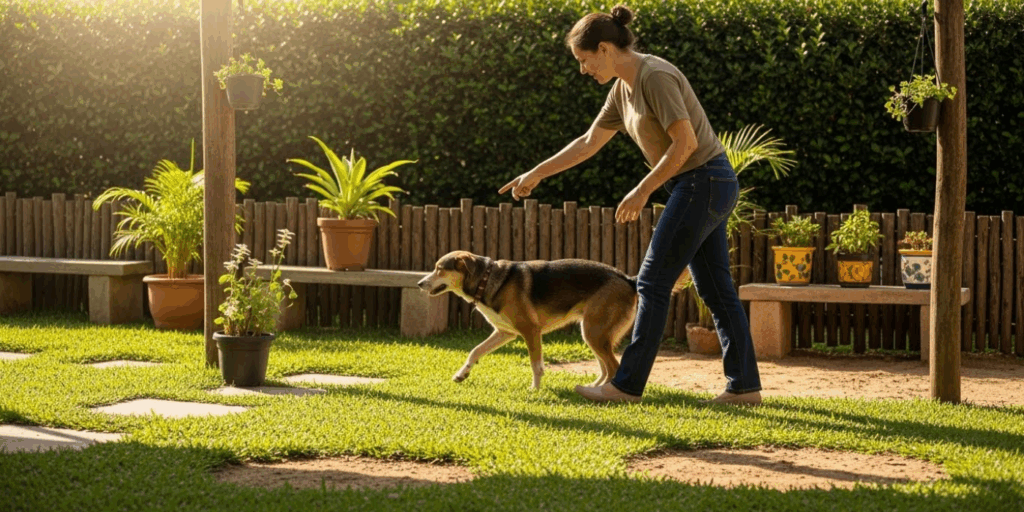
And here’s a game-changer: always use the same exit and same spot. Dogs are scent creatures. If you take them to the backyard on the left side today, the front porch tomorrow, and the neighbor’s grass next week, you’re sending mixed messages. Pick one place—grass, gravel, potty pad—and stick with it. Use a cue word like “Go potty” or “Do your business” every single time. Say it calmly, then wait. Don’t rush them. When they go? Celebrate like they just won the lottery.
Treats, praise, belly rubs—go wild. Make it the best 5 seconds of their day.
Handling Accidents Without Shame (Yes, Really)
Let’s get real: accidents will happen. Even the best-trained dogs slip up sometimes. Maybe they’re sick. Maybe they’re stressed. Maybe you were late getting home.
Here’s what not to do:
❌ Yell.
❌ Rub their nose in it.
❌ Punish them after the fact.
Why? Because dogs live in the moment. If you find a puddle an hour later, they don’t connect your anger to the pee. All they feel is fear—and that makes them more likely to hide future accidents (hello, secret corners!).
What should you do?
- Clean it thoroughly with an enzymatic cleaner (not just vinegar or Windex). Regular cleaners mask smell temporarily—but dogs can still detect the scent. Enzymatic cleaners break down the urine proteins so the spot smells “neutral” to them.
- Don’t react emotionally. Just clean it. Calmly. Like you’re wiping a counter.
- Review your schedule. Did you forget a potty break? Were they left alone too long? Adjust.
- Increase supervision. Use a crate or baby gates to limit access to problem areas while you retrain.
I once worked with a family whose dog kept peeing on the couch. They’d yelled, scolded, even sprayed bitter apple spray. Nothing worked. Then they started crating him during the day and taking him out every 90 minutes. Within 5 days? Zero accidents. Why? Because the dog was never given the chance to make the mistake.
Accidents aren’t failures—they’re feedback.
Making the Right Spot Irresistible (The Secret Weapon)
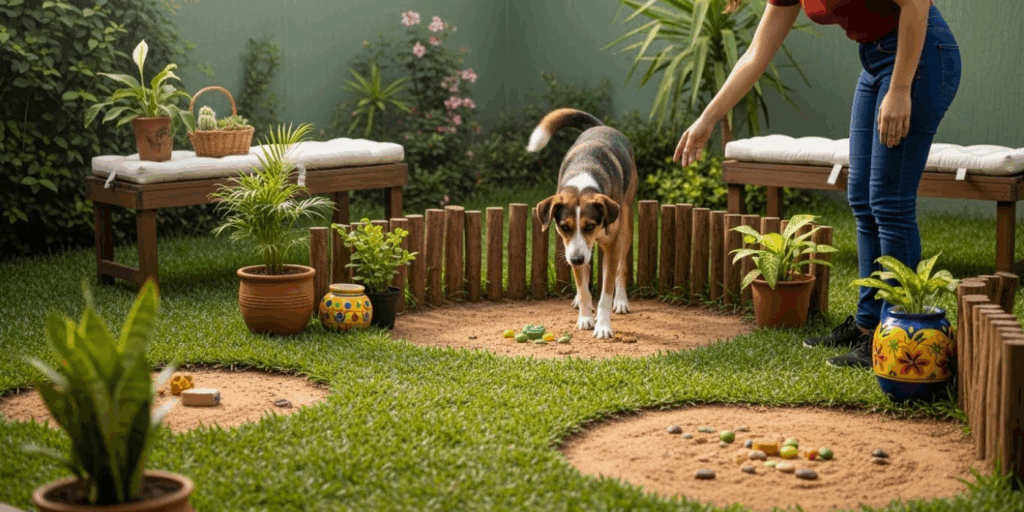
You’ve got the routine. You’ve cleaned the messes. Now it’s time to make the right spot the most exciting place on earth.
Here’s how:
- Use a scent attractant. There are commercial products (like “Potty Here” sprays) that contain synthetic dog urine pheromones. Spray them on your designated potty area. Your dog will think, “Oh! Other dogs have been here! This must be the spot!”
- Bring a little “home” scent. If you’re training indoors with pads, place a soiled pad (from an accident) on the new spot. The familiar smell tells your dog, “This is where it goes.”
- Make it comfortable. If you’re training outside, clear leaves, snow, or gravel. Some dogs won’t go if their paws are cold or uncomfortable.
- Use a leash. Even if your yard is fenced, keep your dog on a leash during potty breaks. It keeps them focused. No chasing squirrels until business is done.
One of my favorite success stories? A 3-year-old rescue named Duke who refused to go outside. He’d hold it for hours, then pee on the rug. We tried everything—until his owner started taking him out with a favorite toy. She’d say, “Let’s go find the grass!” and toss the toy just as they reached the spot. Duke started associating the grass with playtime—and suddenly, he couldn’t wait to go.
It wasn’t just training. It was joy.
Indoor Solutions for Apartments, Rainy Days, or Seniors
Not everyone has a backyard. Not every dog can dash outside in a snowstorm. And senior dogs? Sometimes, their bladders just don’t cooperate like they used to.
That’s where indoor solutions shine.
Potty Pads: Great for puppies and apartment dwellers. Place them in a quiet, low-traffic area (not near their bed or food). Gradually move them closer to the door if you plan to transition outside later.
Dog Litter Boxes: Yes, they exist! Some dogs (especially small breeds) learn to use a litter box filled with artificial grass or wood pellets. It’s cleaner than pads and mimics outdoor texture.
Doggy Doors: If you have a yard, consider installing a pet door. Train your dog to go through it by luring them with treats on the other side.
Scheduled “Potty Breaks” via App: Yes, there are smart devices now that alert you when your dog stands near the door or uses a sensor pad. Perfect for busy professionals.
One client, Jamal, works 12-hour shifts. He uses a doggy door and a sensor pad connected to his phone. When his 8-year-old Shih Tzu, Mochi, steps on it, Jamal gets a ping: “Mochi needs to go.” He can then open the door remotely. No more midnight accidents.
Technology isn’t cheating. It’s caring.
Celebrating Progress (And Why Patience Wins Every Time)
Training a dog isn’t a sprint. It’s a slow, steady dance.
Some dogs learn in 2 weeks. Others take 2 months. That’s okay. The goal isn’t perfection—it’s progress.
Every time your dog goes in the right spot? Celebrate. Even if it’s just a quiet, heartfelt, “Good job, buddy.” Dogs thrive on connection. They don’t care about gold stars—they care about your smile.
And here’s the beautiful part: when your dog finally gets it? That moment when they trot to the door, tail high, eyes bright, and wait for you to open it? That’s pure trust. That’s love.
You didn’t just teach them where to pee. You taught them you’re their safe, reliable guide.
That’s worth every messy towel, every early wake-up, every moment of patience.
Your Turn: Start Small. Stay Consistent. Win Big.
You don’t need a professional trainer. You don’t need expensive gadgets. You just need to show up—every day, with calm energy and clear expectations.
Start today. Pick one thing:
- Set a timer for potty breaks.
- Clean one accident with enzymatic cleaner.
- Use the same cue word every time.
- Take your dog out right after dinner—no exceptions.
Small steps. Big results.
And when you see your dog finally head straight to their spot without a second thought? You’ll feel it. That quiet pride. That deep knowing: I did this. We did this.
You’re not just training a dog. You’re building a relationship—one bathroom break at a time.
Final Thought: Dogs don’t need to be perfect. They just need to feel understood.
So the next time you catch your pup sniffing near the couch, don’t sigh. Don’t scold. Just say, “Let’s go,” and lead them gently to their spot.
They’ll learn. They’ll grow. And one day, you’ll look back and smile—because you chose patience over punishment, connection over control.
And that? That’s the kind of love that changes lives.
What’s your biggest potty training challenge right now?
Is it your puppy holding it too long? Your senior dog forgetting? Or maybe you’re just tired of cleaning up? Drop your story in the comments below—I read every one, and I’d love to help you find the solution that works for your dog.
And if this guide helped you—even just a little—please share it with a friend who’s struggling. Because no pet parent should feel alone in this journey. 🐾

Lucas Neto is a passionate animal enthusiast who has spent years learning, caring, and connecting with pets of all kinds. His fascination with animals began in childhood and grew into a lifelong dedication to understanding their behavior, needs, and unique personalities. Whether rescuing strays, supporting responsible pet care, or simply enjoying the everyday joy that animals bring, Lucas is committed to sharing his knowledge and love for pets with others.