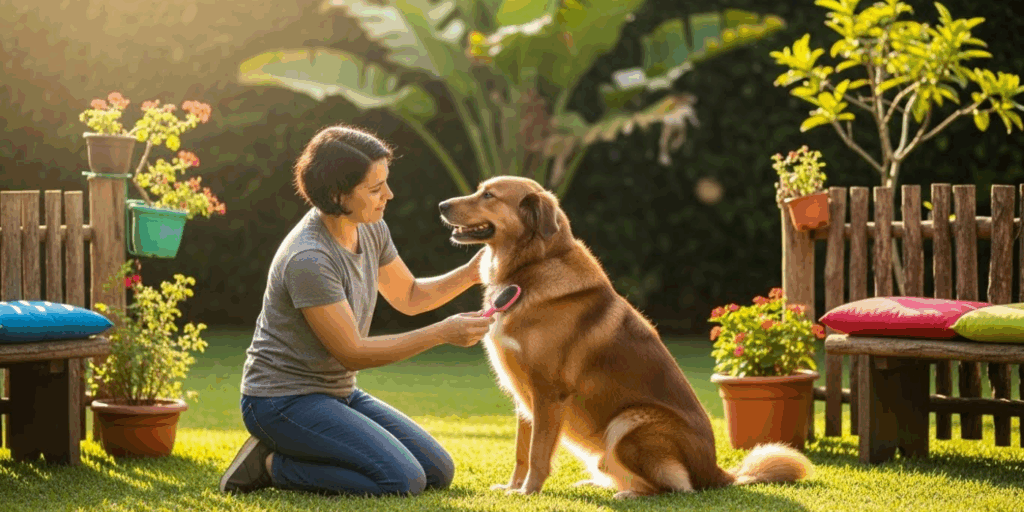
You know that moment when your dog shakes off after a walk, and sunlight catches their fur just right—glowing like silk, not a single dull strand in sight? That’s not just luck. That’s love in action.
A shiny, healthy coat isn’t just about looks. It’s one of the clearest indicators of your dog’s overall well-being. Just like our hair reflects our diet, stress levels, and hydration, your dog’s coat tells a story—about their nutrition, their environment, and even their emotional state. A dull, brittle, or patchy coat can signal underlying health issues, while a glossy, soft coat is often the quiet sign of a happy, balanced pup.
In this guide, we’ll walk through the real secrets behind that dream coat—not the flashy product ads or gimmicks, but the science-backed, everyday habits that truly make a difference. Whether you’ve got a long-haired Afghan Hound or a short-coated Boxer, these tips are tailored for every breed, every lifestyle, and every budget. You don’t need expensive shampoos or fancy supplements (though we’ll talk about those too). What you do need is consistency, awareness, and a little extra attention.
We’ll cover everything from nutrition and grooming routines to environmental factors and emotional health—all the pieces that, when put together, create that radiant glow you can’t fake. By the end, you’ll have a simple, practical roadmap to help your dog not just look good—but feel amazing, too.
Let’s dive in.
1. Nutrition Is the Foundation—What’s on the Plate Matters More Than Anything Else
Think of your dog’s coat like a garden. You can water it every day, trim it, spray it with shine serum—but if the soil is poor, nothing will thrive. The same goes for your dog’s fur. No amount of brushing or shampoo can fix a nutrient deficiency.
The secret? High-quality protein and essential fatty acids.
Dogs are carnivores at their core. Their bodies are designed to thrive on animal-based proteins like chicken, beef, fish, or lamb. Look at the first three ingredients on your dog food label—if they’re not meat-based, you’re likely feeding fillers like corn, wheat, or soy, which offer little nutritional value and can even trigger skin allergies.
But protein alone isn’t enough. Omega-3 and Omega-6 fatty acids are the real MVPs for coat health. These fats help reduce inflammation, moisturize the skin from within, and give fur that deep, glossy sheen. The best natural sources? Salmon, sardines, flaxseed, chia seeds, and fish oil supplements.
I once had a client whose Border Collie, Luna, had a coat that looked like straw. She was feeding a popular budget brand. After switching to a food with salmon as the first ingredient and adding a teaspoon of fish oil three times a week, Luna’s coat transformed in just six weeks. Her owner said, “It’s like she got a whole new personality—softer, calmer, and so much more playful.”
You don’t need to go premium-priced. Many affordable, vet-recommended brands now include these key nutrients. If you’re unsure, check for the AAFCO statement on the bag—it means the food meets nutritional standards for dogs.
Pro Tip: Avoid cheap fillers. If you see “meat by-products,” “corn gluten meal,” or “artificial colors,” consider upgrading—even if it’s just one meal a day. Small changes add up.
And don’t forget water. Dehydration makes skin dry and fur brittle. Always keep fresh water available. If your dog doesn’t drink much, try adding a splash of low-sodium broth to their bowl—it’s a sneaky way to boost hydration.
2. Grooming Isn’t Just About Looks—It’s Essential for Skin Health
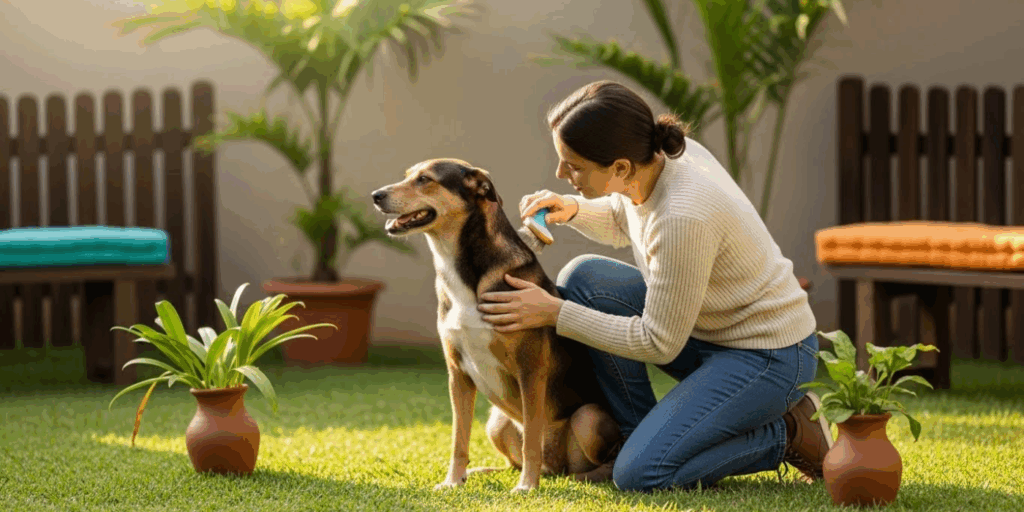
Brushing your dog isn’t just a cute bonding ritual (though it absolutely is). It’s a critical part of their health routine.
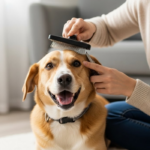
Regular brushing removes dead hair, distributes natural skin oils, and prevents mats that trap moisture and bacteria—leading to hot spots or infections. It also gives you a chance to spot lumps, ticks, rashes, or fleas early.
How often should you brush? It depends on the coat type:
- Short-haired breeds (Labradors, Beagles): Once a week is usually enough. A rubber grooming glove works wonders—it’s gentle and feels like a massage.
- Medium-haired (Cocker Spaniels, Golden Retrievers): 2–3 times a week. Use a slicker brush to tackle tangles.
- Long-haired (Shih Tzus, Maltese): Daily brushing is ideal. A metal comb helps you get down to the skin and catch mats before they form.
I once met a woman who brushed her Poodle every morning before work. She’d say, “It’s my quiet time with him.” And honestly? That daily ritual helped her catch a small skin infection early—before it became a problem.
Bathing too often? That’s a common mistake. Most dogs only need a bath every 4–6 weeks. Over-bathing strips away natural oils, leaving skin dry and coat dull. Use a mild, pH-balanced dog shampoo—never human shampoo. Our skin is more acidic than theirs, and human products can cause irritation.
Pro Tip: Try an oatmeal-based shampoo if your dog has sensitive skin. It’s soothing, naturally moisturizing, and smells like a warm bakery. Bonus: many dogs love the smell and actually look forward to bath time!
After bathing, always dry your dog thoroughly. Damp fur can lead to fungal growth, especially in folds or under the ears. A blow dryer on low heat (held at least 12 inches away) works great—but only if your dog tolerates it. Otherwise, use towels and let them air-dry in a warm room.
And here’s a little secret: brushing after baths helps redistribute those newly released natural oils evenly across the coat. It’s like giving their fur a little oil treatment.
3. Environmental Factors You Can’t Ignore—From Sun to Stress
Your dog’s coat doesn’t live in a bubble. The world around them plays a huge role.
Sun exposure can bleach fur and dry out skin, especially in lighter-colored dogs. If your pup loves lounging in the backyard, consider providing shade or limiting midday sun. A dog-safe sunscreen (yes, it exists!) can be applied to thin or pink areas like the nose or belly.
Climate matters too. In dry winters, indoor heating saps moisture from the air—and your dog’s skin. A humidifier in your home can make a surprising difference. I’ve seen clients swear by it after their dogs’ coats turned flaky during winter.
Allergies are silent coat killers. Food allergies, pollen, dust mites, or even certain cleaning products can trigger itching, redness, and hair loss. If your dog is constantly scratching, licking their paws, or rubbing their face, it’s not “just being a dog”—it’s a cry for help.
Try keeping a simple journal: note when symptoms flare up. Did it happen after switching to a new detergent? After a walk through tall grass? Patterns matter.
Stress is another hidden culprit. Dogs feel anxiety just like we do. Moving homes, new pets, loud noises, or even changes in your schedule can cause “stress shedding.” You might notice clumps of fur around the house, or patches of thinning fur. In these cases, comfort matters more than any supplement.
Create a calm space. Play soft music. Use pheromone diffusers (like Adaptil). And most importantly—spend quality time. Five minutes of focused petting or a quiet walk can do more for coat health than any expensive product.
Real story: A client’s rescue dog, Max, arrived with a patchy, matted coat. He’d been abandoned for months. The first thing they did? No grooming, no supplements—just sitting with him every evening, reading aloud. Within three months, his coat began to grow back—thick, soft, and gleaming. It wasn’t magic. It was safety.
Your dog’s coat reflects their sense of security. Give them peace, and their fur will thank you.
4. Supplements and Natural Boosters—When and How to Use Them Wisely
Let’s be honest: the pet aisle is overwhelming. Shelves are packed with “miracle” sprays, chewable coats, and “all-natural” powders that cost more than your monthly Netflix subscription.
The truth? Most dogs don’t need supplements—if they’re eating a balanced diet. But for some, a little extra help can make a big difference.
Fish oil (omega-3) is the gold standard. Look for molecularly distilled, mercury-free options. A general guideline: 1,000 mg per 30 pounds of body weight, once daily. Always check with your vet first—especially if your dog is on blood thinners.
Coconut oil is another popular choice. It’s rich in lauric acid, which supports skin health and can even help with mild allergies. Start with ¼ tsp per 10 lbs of body weight, mixed into food. Some dogs love the taste—it’s like a little treat with benefits.
Eggs (cooked, not raw) are a protein and biotin powerhouse. One boiled egg, 2–3 times a week, can boost coat shine naturally.
Flaxseed or chia seeds are great plant-based omega-3 sources. Grind them finely before adding to food—whole seeds just pass through undigested.
Pro Tip: Don’t overdo it. More isn’t always better. Too much fish oil can cause diarrhea or thin blood. Too much coconut oil can lead to weight gain. Moderation is key.
And here’s something many people forget: check for parasites. Fleas, ticks, and mites don’t just itch—they cause hair loss and skin damage. Even if you’re using a monthly preventive, do a weekly check. Run your fingers through their fur, especially behind the ears, under the tail, and between the toes.
If you find anything unusual—like red bumps, scabs, or tiny black specks (flea dirt)—call your vet. Early intervention saves coats—and stress.
5. The Emotional Connection: Why Love Is the Secret Ingredient
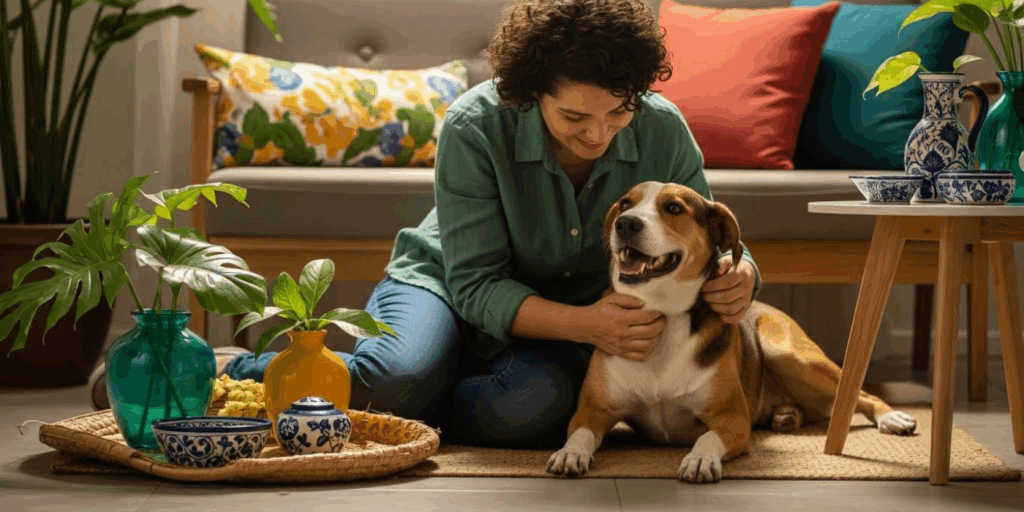
Let’s circle back to something we all know deep down but sometimes forget: your dog’s coat reflects your relationship.
Think about it. When you’re stressed, tired, or distracted, do you notice your own hair getting dull? Your skin breaking out? Dogs are mirrors. They absorb our energy. When you’re present, calm, and attentive, they feel safe—and that safety shows up in their fur.
I once met a man who told me, “I don’t have time to groom my dog. I work two jobs.” But every night, without fail, he sat on the floor with his terrier, Milo, and just… held him. No talking. No phone. Just quiet closeness. After six months, Milo’s coat went from patchy to plush. “I didn’t change his food,” the man said. “I just changed how I showed up.”
That’s the magic.
Brushing, feeding well, bathing gently—all of it matters. But none of it works as powerfully as connection.
When you brush your dog, you’re not just removing loose hair. You’re sending a message: I see you. I’m here. You’re safe.
When you prepare their food with care, you’re saying: You deserve good things.
When you notice a change in their coat and take action, you’re whispering: I love you enough to pay attention.
That kind of love doesn’t come in a bottle. It comes in quiet moments. In early mornings. In late-night cuddles. In the way you pause your day to let them snuggle close.
And that’s what makes the difference.
Conclusion: Your Dog’s Shine Is a Reflection of Your Care
Let’s recap what truly makes a dog’s coat shine:
- Nutrition first: High-quality protein and omega fatty acids are non-negotiable.
- Grooming consistently: Brushing isn’t optional—it’s preventive healthcare.
- Environment matters: Protect from sun, dryness, and allergens.
- Supplements help—but don’t replace basics. Use them wisely.
- And above all: love. Your presence, your patience, your attention—they’re the most powerful tools you have.
A shiny coat isn’t about perfection. It’s about health. It’s about comfort. It’s about your dog feeling good enough to run, play, nap, and be themselves—without discomfort or pain.
If you’ve tried everything and still see dullness, don’t blame yourself. Talk to your vet. Sometimes, thyroid issues, allergies, or hormonal imbalances are the real culprits. But often? It’s the little things you do every day that turn the tide.
So tonight, before you head to bed, take two minutes. Sit with your dog. Run your fingers through their fur. Feel how it looks, how it feels. Are there tangles? Dry patches? Flecks of dandruff?
That’s your cue. Not to panic. But to care.
Because every strand of their coat is a testament to your love.
And if you’ve made it this far—you’re already doing better than most.
What’s one small thing you’ll do differently this week to support your dog’s coat health? Maybe it’s switching their shampoo, adding a spoon of fish oil, or just sitting with them for five extra minutes. Drop it in the comments—I’d love to hear your story. And if this helped you, share it with a friend who’s always wondering why their pup’s fur isn’t glowing. Together, we can help more dogs feel as good as they look.

Lucas Neto is a passionate animal enthusiast who has spent years learning, caring, and connecting with pets of all kinds. His fascination with animals began in childhood and grew into a lifelong dedication to understanding their behavior, needs, and unique personalities. Whether rescuing strays, supporting responsible pet care, or simply enjoying the everyday joy that animals bring, Lucas is committed to sharing his knowledge and love for pets with others.